
Can Home Interior Design Expertise Turn Online Success Into Retail Growth
Online Success Leads to Home Interiors Shop Opening
Digital growth in home interior design has become the launchpad for physical retail expansion. Brands that build strong online visibility and authority often find themselves positioned to open successful brick-and-mortar stores. This shift is not merely about selling more products but about deepening customer relationships through tactile experiences. The connection between online success and retail expansion lies in data-driven decision-making, brand consistency, and immersive customer engagement that bridges digital discovery with real-world interaction.
The Connection Between Online Success and Retail Expansion in Home Interior Design
Digital-first interior design brands often reach a point where their virtual presence demands a tangible extension. As online audiences grow, so does the expectation for physical spaces that reflect the brand’s aesthetic identity and service quality.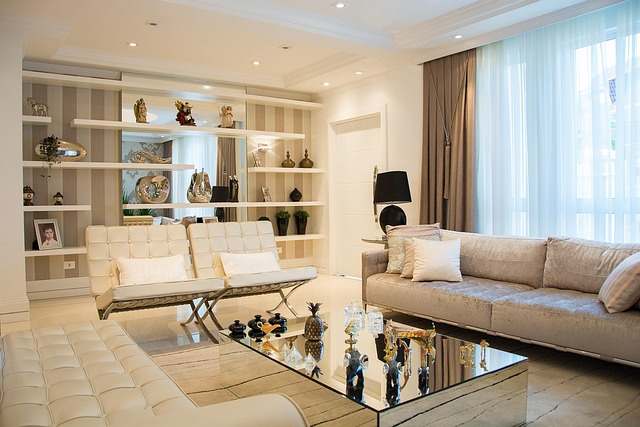
How Online Visibility and Brand Authority Influence Retail Opportunities
Strong online performance builds consumer trust, which translates into offline curiosity. When a home interior design brand achieves consistent traffic, social engagement, and high conversion rates, it signals credibility that can attract investors or landlords interested in co-developing retail spaces. A well-optimized digital portfolio also acts as proof of concept—showing that the brand’s designs resonate with real consumers.
The Strategic Reasoning Behind Moving from E-commerce to Brick-and-Mortar Presence
Transitioning into physical retail allows brands to diversify revenue streams while offering customers experiential value. For instance, an e-commerce platform may excel at personalization algorithms but lacks the sensory depth of touch and spatial perception. A store brings those elements to life. It also supports cross-channel sales strategies where customers can browse online, feel materials in person, then finalize purchases digitally.
The Role of Customer Experience in Bridging Online Engagement with Physical Interaction
Customer experience remains central to this evolution. In-store consultations, material samples, and live demonstrations transform passive browsing into active participation. Retail outlets allow designers to observe how clients react to textures or color palettes—insights difficult to capture through screen-based analytics alone.
Evaluating Market Readiness for Retail Growth
Before committing to a physical location, brands must assess whether their digital success can sustain offline operations. This evaluation extends beyond sales metrics into operational maturity and regional opportunity mapping.
Identifying Signals That an Online Home Interior Design Brand Is Ready for Retail Expansion
Indicators include repeat purchase rates above industry averages, strong community engagement on social media, and growing demand for personalized consultations. Brands should also track inquiries from regions where shipping density or customer clusters suggest potential store locations.
Assessing Consumer Demand, Geographic Potential, and Competitive Landscapes
Market readiness depends on understanding local buying behaviors and competitor saturation. Metropolitan areas with rising housing developments often present fertile ground for home interior showrooms. However, oversaturated markets may require differentiation through unique product lines or design services.
Aligning Operational Capacity with Offline Growth Objectives
Retail expansion requires synchronized logistics between e-commerce fulfillment centers and store inventory systems. Brands must evaluate supplier scalability and internal staffing capabilities before signing leases or committing capital expenditures.
Leveraging Online Expertise to Strengthen Retail Identity
The transition from digital dominance to physical presence succeeds when both environments share visual coherence and storytelling continuity.
Translating Digital Branding into Physical Store Design
A brand’s website layout often informs its showroom design—clean lines, intuitive navigation, consistent color schemes. The goal is for customers walking into the store to feel they’ve stepped inside the website itself. Lighting choices, display arrangements, and signage should mirror the tone of online imagery.
Maintaining Brand Consistency Across Online Visuals and Showroom Layouts
Consistency reinforces recognition. If a brand’s Instagram feed emphasizes minimalist Scandinavian interiors, its retail space should echo that simplicity rather than diverge into eclectic themes. Cohesion strengthens recall value across platforms.
Creating Immersive Retail Environments That Reflect Online Storytelling
Physical stores offer opportunities for narrative immersion—interactive walls displaying before-and-after transformations or curated vignettes inspired by popular online projects. These experiences turn casual visitors into engaged participants within the brand story.
Integrating Data Insights from Online Platforms into Retail Strategy
Data collected from years of digital operation can guide nearly every aspect of retail planning—from location selection to shelf arrangement.
Applying Analytics from Web Traffic, User Behavior, and Sales Patterns to Retail Planning
Heatmaps showing popular product categories can inform which items deserve prominent placement in stores. Similarly, time-of-day traffic analysis helps determine optimal staffing schedules or event timings.
Identifying Top-Performing Products and Design Trends for Store Inventory Decisions
Online bestsellers often forecast what will move quickly offline. Tracking seasonal spikes in materials like rattan or marble finishes allows inventory managers to anticipate demand cycles more accurately.
Using Customer Segmentation Data to Localize Product Offerings and Displays
Demographic insights help tailor each store’s assortment—urban shoppers might prefer modular furniture suited for apartments, while suburban markets lean toward full-room solutions.
The Role of Customer Experience in Bridging Online and Offline Channels
A seamless omnichannel approach ensures customers perceive one unified brand regardless of how they interact with it—on a screen or in a showroom.
Designing Seamless Omnichannel Experiences
Integrating QR codes on displays lets visitors access detailed specs instantly via mobile devices. Some brands use AR previews so clients can visualize furniture within their own homes before purchasing onsite.
Implementing Tools Like AR/VR for Virtual Previews Within Physical Spaces
Augmented reality mirrors bridge imagination gaps by overlaying digital renderings onto real environments—a powerful sales enhancer when dealing with spatial design decisions.
Integrating Loyalty Programs and Digital Touchpoints into the Retail Environment
Loyalty apps that track both online orders and in-store visits encourage repeat engagement while simplifying reward redemption across channels.
Enhancing Personalization Through In-Person Consultation Services
Face-to-face interaction remains irreplaceable in home interior design because it allows nuanced communication about style preferences and spatial constraints.
Combining Digital Profiles with Face-to-Face Design Consultations for Tailored Solutions
Consultants can access clients’ saved mood boards or wish lists during appointments to craft cohesive proposals blending digital inspiration with practical feasibility.
Building Trust Through Expert Guidance and Tangible Product Interactions
Physical samples foster confidence—customers can feel fabric textures or test furniture ergonomics before committing financially.
Encouraging Repeat Business Through Personalized After-Sales Services
Follow-up visits or maintenance advice delivered post-purchase reinforce long-term loyalty beyond initial transactions.
Operational Strategies for Scaling from Online to Retail Growth
Expanding offline requires operational discipline equal to creative ambition; logistics form the backbone of sustainable hybrid models.
Structuring Supply Chains for Dual Channel Efficiency
Inventory synchronization tools prevent stockouts by updating availability across systems simultaneously. Efficient warehousing ensures timely replenishment without overstocking showrooms.
Managing Inventory Synchronization Across Platforms for Real-Time Accuracy
Unified software solutions reduce discrepancies between what customers see online versus what’s available in-store—a key factor in maintaining credibility.
Partnering with Suppliers Capable of Scaling Production Without Compromising Quality
Reliable suppliers must adapt quickly as demand surges post-launch while maintaining craftsmanship standards expected by discerning clientele.
Financial Planning and Investment Considerations for Retail Expansion
A sound financial framework transforms vision into viable execution when entering physical markets.
Estimating Capital Requirements, Lease Negotiations, and Staffing Costs
Initial costs include deposits on prime locations, interior fit-outs reflecting brand aesthetics, plus recruitment of trained consultants who embody company values.
Balancing Short-Term Setup Expenses with Long-Term Brand Equity Gains
Though upfront investment may strain cash flow temporarily, retail visibility enhances perceived prestige—strengthening long-term market positioning.
Measuring ROI Through Integrated Performance Metrics Across Channels
Tracking blended KPIs such as total customer lifetime value across both channels provides a clearer picture than isolated sales figures alone.
Marketing Approaches That Connect Online Audiences with Physical Stores
Marketing bridges awareness gaps by converting digital followers into real-world visitors through storytelling continuity and community activation efforts.
Converting Digital Followers into In-Store Visitors
Announcing store openings via social platforms creates anticipation among loyal fans already familiar with the brand ethos. Limited-time workshops or exclusive previews motivate attendance beyond curiosity alone.
Encouraging Community Engagement Through Workshops or Design Showcases
Events centered around DIY decor tips or seasonal styling trends foster belonging while subtly promoting featured collections available onsite.
Leveraging Influencer Collaborations to Drive Foot Traffic from Digital Communities
Partnerships with local lifestyle influencers amplify reach among geographically relevant audiences who value authenticity over mass advertising tactics.
Strengthening Local Presence Through Targeted Outreach
Localized marketing transforms generic branding into culturally resonant storytelling aligned with regional tastes and traditions.
Adapting Content Marketing Strategies for Regional Audiences
Tailoring blog content or newsletters around local architecture styles connects emotionally with nearby homeowners seeking relatable inspiration.
Partnering with Local Designers or Artisans to Enhance Authenticity and Appeal
Collaborations infuse stores with distinctive character—handcrafted accessories sourced locally convey commitment to community craftsmanship rather than mass production uniformity.
Incorporating Localized SEO Tactics to Attract Nearby Customers Searching for Home Interior Solutions
Optimizing search listings using neighborhood-specific keywords increases visibility among consumers actively seeking nearby design assistance rather than generic national providers.
Future Outlook: Hybrid Models in Home Interior Design Commerce
The future favors hybrid ecosystems blending technology-driven convenience with emotionally resonant experiences rooted in human connection.
The Emergence of Experience-Driven Retail Spaces
Stores are evolving beyond transactional roles toward educational hubs where visitors learn styling techniques through interactive displays demonstrating modular configurations or smart-home integrations.
Using Technology-Enhanced Displays to Demonstrate Product Versatility and Customization Options
Touchscreen panels showcasing multiple finish combinations enable clients to experiment visually before making decisions—a modern twist on traditional consultation methods.
Positioning Retail Stores as Creative Hubs Rather Than Transactional Outlets
By hosting exhibitions featuring emerging designers or sustainability talks, retailers position themselves as thought leaders shaping cultural dialogue around living spaces rather than mere sellers of décor items.
Continuous Innovation Between Digital Platforms and Physical Stores
Innovation thrives when feedback circulates freely between channels instead of operating in silos.
Implementing Feedback Loops Between Online Analytics and In-Store Performance Data
Real-time dashboards comparing web click-through rates against showroom conversions reveal how effectively campaigns translate across mediums.
Experimenting With Pop-Up Concepts Before Committing to Permanent Locations
Temporary installations allow testing new neighborhoods without long-term leases while collecting valuable demographic insights on visitor profiles.
Evolving Brand Strategy Based on Customer Insights Gathered Across All Touchpoints
Continuous iteration informed by integrated analytics ensures relevance amid shifting consumer lifestyles emphasizing flexibility over permanence.
FAQ
Q1: What triggers an online home interior design brand to open a physical store?
A: Sustained digital growth combined with strong customer demand typically motivates brands to explore retail expansion opportunities once operational capacity allows it.
Q2: How does data from e-commerce operations support retail planning?
A: Analytics highlight top-selling products, peak shopping times, and geographic clusters—all vital indicators guiding inventory allocation and site selection strategies.
Q3: Why is consistency important between online branding and store layout?
A: Consistency reinforces recognition; customers expect visual harmony between what they see digitally and what they experience physically inside stores.
Q4: What role does technology play inside modern home interior shops?
A: Tools like augmented reality previews help clients visualize designs instantly within their own spaces while interactive screens enhance exploration freedom during visits.
Q5: How do hybrid models redefine future home interior commerce?
A: They merge convenience from e-commerce efficiency with emotional depth offered by tactile retail experiences—creating balanced ecosystems centered on human creativity supported by data intelligence.