
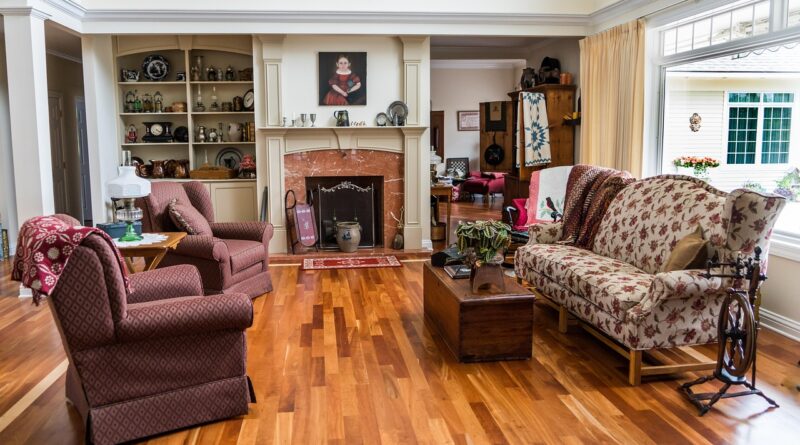
What Home Interior Items Are Worth Buying for a More Comfortable Home?
Why Should Home Interior Items Be Chosen With a Plan?
Home interior items should not be picked only because an empty shelf needs filling. The right pieces help people sit with support, cook with less back-and-forth, find keys before leaving, cut some noise, and make a room feel looked after. If you are planning one room or a full home refresh, the Home & Interior section is a useful place to start. Space also matters. The U.S. Census Bureau reported that the median size of a new single-family home sold in 2025 was 2,194 square feet, so every purchase needs a clear use instead of becoming one more thing to clean. (census.gov)
Daily Use Comes Before Decoration
Start with items people touch every day, such as lighting, seating, rugs, storage baskets, trays, mirrors, curtains, and kitchen organizers. A vase may look nice, but a table lamp beside the sofa changes how you read, rest, and talk in the evening. The buying rule is simple: if an item supports a daily habit and still suits the room, put it ahead of small decor.
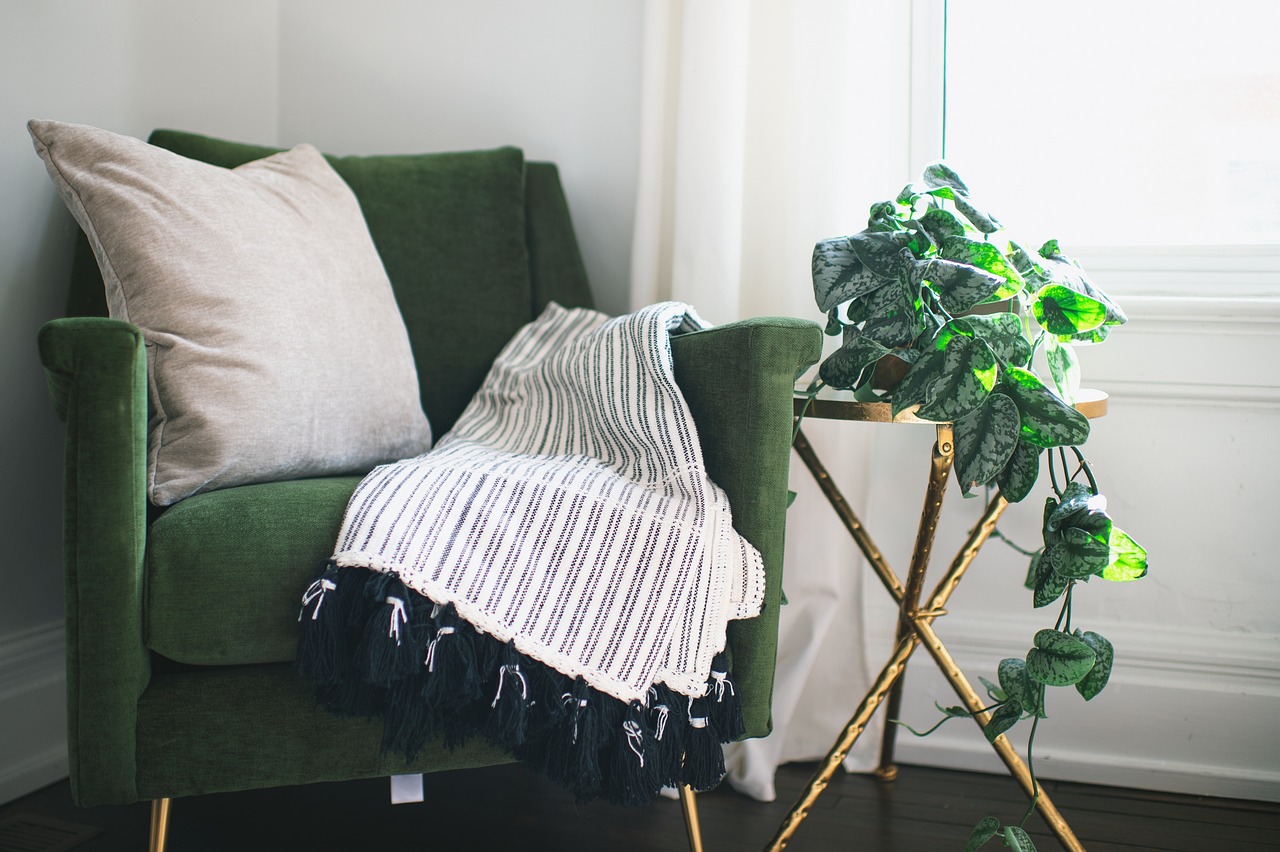
Room Flow Beats Random Styling
A room can have costly pieces and still feel hard to use. Keep 30 to 36 inches of clear walking space through main paths when you can, and try not to block windows with tall, heavy furniture. A narrow console in an entry may work better than a deep cabinet because people still need to pass through with bags or shoes. It sounds like a small detail, but one inch can decide whether a hallway feels easy or irritating.
One Strong Mood Works Better Than Ten
Before buying, choose three plain words for the room, such as warm, clean, and relaxed. Those words help guide color, texture, and shape when you compare products. For example, a warm living room may use woven baskets, oatmeal linen, oak picture frames, and shaded lamps. A crisp room may use glass, black metal, flat-weave rugs, and simple ceramics. Everything does not need to match, but the pieces should feel like they belong in the same space.
Which Home Interior Items Should You Buy First?
When a room feels unfinished, many people buy wall art too soon. Art has a place, but the first layer should deal with comfort, light, and order. The U.S. Bureau of Labor Statistics said that in 2025, 81 percent of people did household activities on an average day, spending about two hours on them. That is a useful reminder for buyers and homeowners: items that reduce small daily problems during chores often give more value than pieces that only decorate a wall. (bls.gov)
Lighting That Changes the Whole Room
Buy lamps before adding more decor. A living room usually needs at least three light sources: overhead or general light, task light near seating, and soft accent light on a shelf or sideboard. ENERGY STAR notes that certified LED light fixtures can use up to 90 percent less energy than traditional incandescent models, and downlights can have tested lifetimes of at least 25,000 hours. Good lighting is one of the few upgrades that can help both the room mood and the running cost. (energystar.gov)
Storage That Looks Like Part of the Design
Storage is not only about closets. Trays, lidded boxes, wall hooks, shoe cabinets, drawer inserts, and pantry bins can make normal rooms feel more planned. A basket beside the sofa can hold throws when they are not in use. A shallow tray on a coffee table can keep remotes and candles in one place. In the kitchen, clear containers help you see what is running low before buying another bag of rice. It is not showy, but it works.
Soft Goods That Add Comfort Fast
Rugs, curtains, cushions, bedding, towels, and throws soften rooms with hard surfaces. If a space has tile, glass, and painted drywall, textiles make it easier on the ear and the eye. Choose washable fabrics for homes with children, pets, or regular guests because they will be used hard. A rug under the front legs of a sofa can also pull a seating area together without adding another chair or cabinet.
How Do You Match Interior Items to Each Room?
Each room has a job. A good item supports that job without fighting for attention. The entry needs speed. The living room needs comfort and conversation. The bedroom needs quiet. The kitchen needs clear surfaces and tools within reach. Buying by room function keeps decisions grounded, especially when online shops make every object look urgent.
Entryway Items for the Five Minute Rush
The entry is not a showroom. It is the place where bags, shoes, keys, and jackets land. Use hooks for bags and jackets, a slim shoe cabinet, a small bench if space allows, and a bowl or tray for keys. Add a mirror only if it fits the wall and helps the routine. In a tight apartment, a wall rail and two woven baskets may do more work than a bulky hall tree.
Living Room Pieces for Conversation
For the living room, think about reach and use. Can a guest set down a drink without stretching? Can someone read without turning on every ceiling light? Can two people talk without sitting like they are waiting in front of a television? Useful home interior items here include side tables, floor lamps, washable pillow covers, nesting tables, and a rug large enough to touch the main furniture group.
Kitchen and Dining Tools That Stay Visible
The kitchen collects clutter because it works hard every day. Choose visible items with care, such as a fruit bowl, a utensil crock, counter stools, pendant lights, a runner, and one or two open shelves if you can keep them tidy. The National Association of REALTORS, reporting NAHB 2024 buyer research, listed laundry rooms, patios, Energy Star windows, exterior lighting, ceiling fans, garage storage, hardwood flooring, walk-in pantries, and kitchen table space among features rated essential or desirable by at least 80 percent of buyers. The pattern is clear enough for anyone sourcing or buying home products: buyers like good-looking spaces, but they value practical support spaces even more. (nar.realtor)
Which Materials Make Home Interior Items Last Longer?
Material choice is where a cheap item can become expensive. A low-cost side table that starts wobbling after six months is not really a bargain. A washable slipcover may be a better choice than delicate fabric in a busy family room. Good materials do not always mean luxury. They mean the material fits the job, cleans without trouble, and wears in a way you can accept.
Solid Wood and Quality Veneer
For tables, chairs, shelves, and cabinets, solid wood and high-quality veneer often age better than very thin laminates. Solid wood can be sanded or repaired, which helps if the piece gets daily use. Veneer can still look neat and stable when the core is solid and the edges are finished well. Check drawers, corners, and the underside before buying. If the hidden parts look careless, the visible parts may not stay good for long.
Washable Textiles and Better Fills
Look for removable covers on cushions and pillows. In dining areas, performance fabric can save a chair from sauce, coffee, and the random stain that appears after guests leave. For cushions, a mix of foam support with fiber or feather wrap often sits better than flat, thin fill. In bedrooms, breathable cotton, linen, or lyocell can feel better than shiny bedding that holds heat.
Low Odor Finishes and Safer Use
Pay attention to odor, especially with new paint, pressed-wood furniture, rugs, and adhesives. The U.S. Environmental Protection Agency says Americans spend about 90 percent of their time indoors, and some indoor pollutants are often two to five times higher than typical outdoor concentrations. This does not mean every new item is unsafe. It does mean low-VOC finishes, ventilation after delivery, and careful product choice are worth the effort. (epa.gov)
Can Small Interior Items Improve Health and Comfort?
Comfort is not only about a soft sofa. Air, light, sound, grip, and temperature all affect how a home feels. Small items can support these basics without making the room look like a clinic. The aim is to choose things that quietly help the body and the daily routine. See also: Building Styles.
Cleaner Air Starts With Source Control
Choose easy-clean rugs, washable curtains, shoe storage near the door, and doormats at entries. These items help reduce dust movement and make cleaning less of a job. Avoid filling a room with scented products just to cover odors. Fresh air, source control, and regular cleaning usually do more. For new furniture, let pieces air out when possible, especially in bedrooms and nurseries.
Layered Light Helps the Body Settle
Bright light works well for cleaning, cooking, and getting ready. Softer warm light is better late at night when the room needs to slow down. Use dimmers where compatible, shaded lamps near seating, and under-cabinet lighting in kitchens. Bedrooms work better with lamps on both sides of the bed, not only one ceiling fixture. The room feels more complete, and nobody has to walk across a dark floor to turn off the light.
Tactile Comfort Makes Rooms Easier to Use
Handles, knobs, switch plates, towels, bath mats, and chair pads may sound minor, but hands and feet notice them every day. Replace sharp cabinet pulls with smoother ones in tight kitchens where people brush past them often. Use non-slip pads under rugs. Choose bath mats that dry fast. These are not dramatic upgrades, but they make a home easier to live in. That is the kind of comfort people remember.
How Can You Buy Fewer Items and Still Get a Finished Look?
A finished room does not need a cart full of accessories. It needs layers, the right scale, and some repeated details. If you buy fewer items with a clear reason, rooms look calmer and cleaning gets easier. That matters in daily life because nobody wants to move twelve small objects just to wipe a console table.
A Three Layer Rule for Each Room
Use one functional layer, one comfort layer, and one personal layer. In a bedroom, that could mean blackout curtains, soft bedding, and framed travel photos. In a dining room, it could be a pendant light, seat cushions, and a ceramic bowl. This keeps the room from looking empty while slowing down the usual creep of clutter.
A Budget Split That Prevents Regret
Spend more on pieces that carry weight, get touched daily, or cost a lot to replace. This includes sofas, mattresses, dining chairs, rugs in main rooms, and quality lighting. Spend less on seasonal pillow covers, small vases, trays, and trend colors. If sage green is your current favorite, try it on cushions before buying a full cabinet set. It is a safer test.
A Short Checklist Before Checkout
Before buying, ask a few plain questions. They usually catch problems that product photos do not show.
- Where will this item live?
- What daily problem does it solve?
- Does the size fit the room and walking path?
- Can it be cleaned without special effort?
- Does it match at least two items you already own?
If the answer is weak, wait. The best interior choice is sometimes leaving space empty for a week. Rooms often show what they need after people start using them day by day.
FAQ
Q1: What Home Interior Items Should a Beginner Buy First? A: Start with lighting, storage, a good rug, curtains, and one or two useful side tables. These pieces affect comfort and room flow before small decor becomes important.
Q2: How Many Decorative Items Should Be in One Room? A: There is no fixed number, but surfaces should still be easy to clean. One tray, one lamp, one plant, and one personal object can work better than ten tiny accessories.
Q3: Are Expensive Interior Items Always Better? A: No. Pay more for durability, daily use, and hard-to-replace pieces. Save on trend-driven accents, seasonal colors, and items that may move from room to room.
Q4: What Items Make a Small Room Feel Bigger? A: Use mirrors with a clear reflection, tall narrow storage, slim furniture legs, light-filtering curtains, and wall-mounted shelves. Keep the main floor path open.
Q5: How Often Should Home Interior Items Be Replaced? A: Replace items when they are damaged, uncomfortable, unsafe, or no longer useful. Good lamps, tables, baskets, and art can stay for many years if they still fit your life.