
Building Facade Glass vs Traditional Cladding Which Is Better for Your Project?
Why Does Building Facade Glass Matter in Commercial Architecture?
Building facade glass is more than a bright outer layer on a tower, mall, hotel, or office block. It affects how people read the building, how daylight gets into the rooms, and how much heat the envelope has to deal with each day. If you are checking facade options for a new project, look at the full building facade system, not only the glass panel. Frames, anchors, gaskets, coatings, shading, and maintenance access all affect whether the job runs well or becomes a problem after the first hot season.
A Public Face That Works All Day
Glass gives a building an open face that people can understand quickly. On a retail street, it shows products and movement inside; in an office, it gives a clean workplace image; in a hotel lobby, it can make the entrance feel brighter and easier to read.
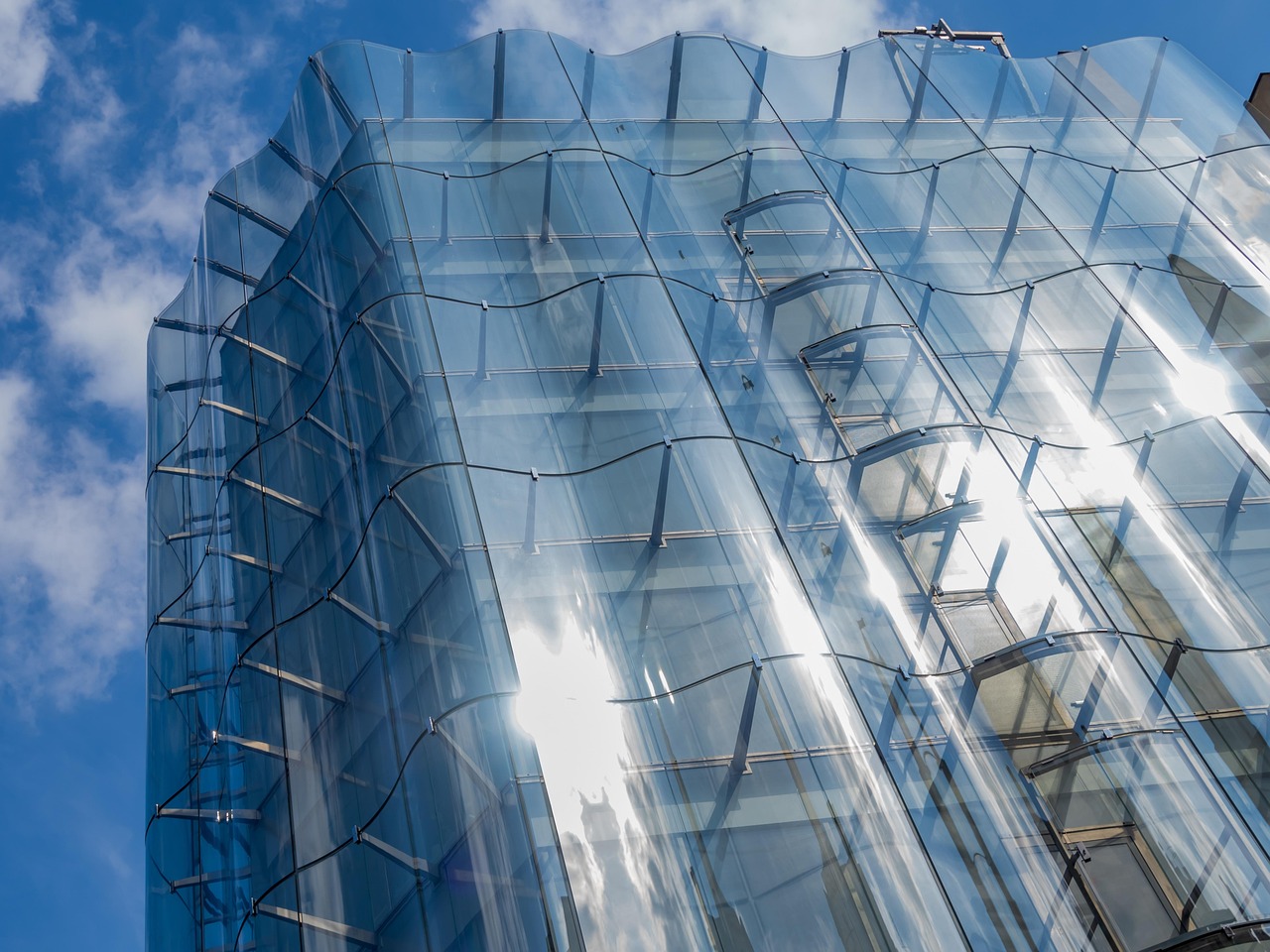
Still, too much plain glass is not always the answer. Glare, heat near the perimeter, and rain streaks are common site issues, so good facade design has to balance view, reflection, privacy, and comfort. The best elevation is usually not the one with the most glass. It is the one where the glass is placed for a clear reason.
Energy Demand Is Part of the Brief
Energy use is a main reason to review glass selection with care. The International Energy Agency reported in its Energy Efficiency 2025 analysis that buildings account for around 30% of global energy demand. That number does not mean glass is always the cause of high energy use, but it does show why facade choices should be discussed early.
A weak glass wall can increase cooling loads, while a properly specified system can bring in daylight and cut part of the unwanted heat at the same time. Source: International Energy Agency, Energy Efficiency 2025, 2025. (iea.org)
Code Reviews Need Clear Performance Data
For overseas projects, local energy codes, fire rules, wind loads, and safety glazing standards can vary from one market to another. A facade that is accepted in one country may still need new calculations, local documents, or extra testing before it passes review in another.
Before you approve a glass type, ask for the product data sheet, test reports, coating position, glass build-up, and full system drawings. These files are not exciting, but they help the project move through review without late redesigns or rushed material changes.
Which Glass Performance Numbers Should You Check First?
When you compare building facade glass, three numbers should come up early: U-factor, Solar Heat Gain Coefficient, and Visible Transmittance. They are not the only values in the specification, but they give a quick read on heat loss, solar heat entry, and daylight. The National Fenestration Rating Council lists U-factor, SHGC, VT, and condensation-related ratings among its energy performance procedures for fenestration products. Source: National Fenestration Rating Council technical documents, current 2026. (nfrccommunity.org)
U-Factor Shows Heat Transfer
U-factor tells you how much heat moves through the glass system. A lower U-factor usually means the glass resists heat flow better, which helps in cold climates and also helps air-conditioned buildings reduce heat transfer from the outside.
Do not check U-factor only at the center of glass if the project uses curtain wall frames. The full assembly matters because aluminum framing can create thermal bridges unless thermal breaks are included and detailed correctly.
SHGC Shows Solar Heat Gain
Solar Heat Gain Coefficient, often written as SHGC, tells you how much solar heat passes through the glass. A lower SHGC is usually helpful in hot climates, west-facing elevations, and rooms with heavy cooling loads.
A higher SHGC can still make sense in some cold regions where winter sun is useful. The right value depends on climate, orientation, shading, and internal loads, so a south elevation in a mild region may not need the same glass as a west-facing cafe in Dubai or Phoenix.
VT Shows Daylight Transmission
Visible Transmittance, or VT, tells you how much visible light comes through the glass. Higher VT can brighten interiors and make rooms feel more open, but high daylight without glare control can disturb people working near the facade.
Anyone who has sat next to a west-facing window at 4 p.m. has seen this problem in real life. Check VT together with SHGC, not by itself, because good facade glass should bring in useful daylight while blocking a large part of invisible solar heat.
How Does Building Facade Glass Affect Comfort and Energy Use?
Comfort is where the numbers turn into daily feedback from tenants. People do not usually complain about SHGC; they say the meeting room is too hot, the screen is hard to see, or the window seat is cold in January. Better glass can reduce these problems, but it still has to work with the right framing, air sealing, shading, and HVAC design.
Low-E Coatings Limit Heat Flow
Low-emissivity coatings are one reason modern facade glass performs better than older clear glass. The U.S. Department of Energy Energy Saver guidance states that windows made with low-e coatings typically cost about 10% to 15% more than regular windows, yet they can reduce energy loss by as much as 30% to 50%.
The same guidance also notes that some spectrally selective low-e coatings can filter out 40% to 70% of heat normally transmitted through insulated window glass while allowing much of the daylight to pass. Source: U.S. Department of Energy Energy Saver, public guidance available in 2026. (energy.gov)
Double and Triple Glazing Improve Thermal Resistance
Insulated glass units use two or more panes with a sealed air or gas space between them. Double glazing is common for commercial facades because it gives a practical balance between cost, weight, and thermal performance.
Triple glazing can be useful in colder areas, high-performance buildings, or office projects where perimeter comfort is closely checked. Berkeley Lab’s high-performance windows page notes that current window technology often targets ENERGY STAR-style performance around U-factor 0.30 and SHGC below 0.30 with double glazing, argon fill, and a low-e coating. Source: Lawrence Berkeley National Laboratory, high-performance windows information, available in 2026. (windows.lbl.gov)
Daylight Cuts Deeper Than a Pretty Lobby
Daylight can reduce the need for artificial lighting during part of the day, but only when the plan, glass, ceiling, and controls are coordinated. A narrow office floor usually gets daylight more easily than a deep-plan floor, so the building layout matters as much as the glass choice.
Light shelves, fritted glass, blinds, and dimming controls can help control glare and spread light further inside. For a real project with large glass areas, ask for a daylight and glare study early, because it costs far less than changing glass after installation.
When Is Glass Better Than Traditional Cladding?
Glass is not always better than stone, aluminum panel, terracotta, or fiber cement. It depends on the project and on what the wall needs to do. Traditional cladding can offer privacy, lower cost, easier cleaning, and stronger thermal performance in opaque areas. Glass is the better choice when transparency, daylight, brand presence, or view has real value. Many good facades use both, and a controlled amount of glass often looks more expensive than a full wall of reflective panels.
Retail and Showroom Visibility
For retail, auto showrooms, restaurants, and galleries, glass has a direct business role. It lets people see products, lighting, and activity before they walk inside, which can help bring foot traffic from the street.
A tall glazed corner can also catch attention from a busy road or main entrance route. In these cases, laminated safety glass, anti-reflective options, and good nighttime lighting should be reviewed together, because at night the glass becomes a frame for the interior scene.
Office Daylight and Tenant Appeal
Offices often use glass to bring daylight deeper into work areas and give tenants better views. This can support leasing, especially in city markets where staff expect bright and flexible workspaces. See also: Building Styles.
Even so, full-height glass on every side does not automatically make a building better. East and west elevations may need lower SHGC, vertical fins, ceramic frit, or internal blinds, while north elevations may allow clearer glass with higher VT. If the budget allows, treat each side of the building based on sun exposure and room use.
Mixed Facades for Cost and Control
A mixed facade can keep the light look of glass while using opaque panels where rooms need privacy, storage walls, or better insulation. Spandrel glass can hide slab edges and service zones, while vision glass serves occupied spaces.
This approach also helps keep cost under control. High-performance glass is not cheap, so it should be used where people see it, sit beside it, work near it, and get the most benefit from it.
What Design Details Make a Glass Facade Last Longer?
Long service life often depends on details that do not show up well in renderings. A clean 3D image will not show a failed gasket, a blocked weep hole, or a scratched panel caused by poor site handling. If you want a glass facade to age well, review the small parts before the main order is placed.
Thermal Breaks and Framing
Frames carry loads, hold seals, and connect the glass to the building structure. They also affect heat transfer, so the frame choice should be checked together with the glass build-up.
Thermally broken aluminum frames reduce heat flow through the frame and can help with comfort and condensation risk. In humid climates, condensation can damage finishes near the sill and lead to occupant complaints, so ask whether the thermal simulation includes frame, spacer, and edge conditions, not just the middle of the glass.
Drainage and Sealant Access
Water will reach the facade sooner or later. The real question is whether the system can drain it safely without staining, leakage, or hidden damage.
Curtain wall and window wall systems need clear drainage paths, weep holes, pressure equalization where required, and compatible sealants. Maintenance access also matters, because if a sealant joint cannot be inspected or replaced without major disruption, future repair costs will rise.
Cleaning Paths and Replacement Planning
Glass shows dirt quickly, especially on buildings near the coast or busy roads. Coastal salt, urban dust, bird marks, and hard water can all change the look of a facade, so cleaning points, roof anchors, cradle access, or ground equipment should be planned early.
Replacement planning should be discussed as well. Large laminated or insulated units can be heavy and slow to source, and if a panel breaks on level 18, the owner will care about crane access, lead time, and matching color more than the original rendering.
How Should You Specify Building Facade Glass for an Overseas Project?
International projects add more things to check: climate, code language, shipping route, site labor, and local review habits. A clear specification helps the supplier price the right product and helps the contractor install it with fewer surprises.
Match Climate Before Style
Start with location, orientation, and building use before choosing the glass color or outside look. A hotel in a hot coastal city may need low SHGC, laminated safety glass, corrosion-resistant hardware, and careful acoustic control.
A school in a cold region may need lower U-factor and durable interior surfaces, while a shopping mall atrium may need solar control glass plus smoke control coordination. Style comes after these basics, because a blue reflective glass that works in one city may look dark or dated in another.
Ask for Test Reports and Mockups
Request reports for safety, thermal performance, air infiltration, water penetration, wind load, and acoustic performance where they apply. For larger projects, a visual mockup is usually worth the time and cost.
Glass color changes with sky, angle, backing material, and interior light, so a small sample on a desk does not tell the full story. A 1:1 corner mockup can show reflection, roller wave, frit density, gasket color, and frame sightlines before mass production starts.
Plan Shipping and Site Handling
Glass arrives as a finished material, so rough handling can turn a profitable order into waste. Crates need clear labels, dry storage, safe lifting points, and a delivery sequence that matches the installation plan.
Check maximum panel size against container limits, road access, hoist capacity, and site storage space. For laminated or oversized insulated glass, replacement lead time should be discussed before final approval, because it is better to be strict in procurement than stuck during installation.
FAQ
Q1: What Is Building Facade Glass? A: Building facade glass is glass used as part of the exterior envelope, usually in curtain walls, window walls, storefronts, skylights, or glazed entrances. It can be clear, tinted, coated, laminated, insulated, fritted, or combined with opaque spandrel areas.
Q2: Is Building Facade Glass Better Than Aluminum Panel? A: It is better when daylight, view, transparency, or retail display value is important. Aluminum panel is often better for opaque walls, privacy areas, lower maintenance zones, and tighter budgets. Many commercial projects use both.
Q3: Which Glass Is Best for Hot Climates? A: Hot climates usually need low SHGC glass, often with low-e solar control coating, suitable tint or frit, and shading on exposed elevations. The final choice should come from energy modeling and local code checks.
Q4: Does More Glass Always Mean a More Modern Building? A: No. Too much glass can cause glare, heat gain, higher cooling demand, and cleaning problems. A modern facade uses glass in the right places and pairs it with frames, shading, and opaque areas that support the design.
Q5: What Should You Ask a Facade Glass Supplier First? A: Ask for glass build-up, U-factor, SHGC, VT, safety classification, coating position, available sizes, lead time, warranty terms, and test reports for the full facade system. These details tell you far more than a catalog photo.