
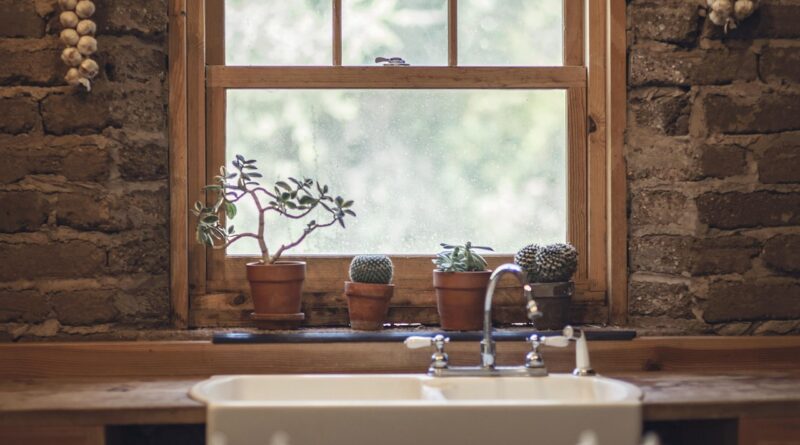
Can a Rustic Home Interior Feel Modern and Timeless?
A rustic home interior does not need to look like an old cabin movie set. When it is handled with care, it feels warm, steady, and easy to live with, while wood, stone, linen, iron, and soft light do most of the work. If you are planning a full refresh or just a weekend change, the Home & Interior category is a useful place to keep looking at design ideas that can still work after the trend photos pass.
The simple rule is this: let natural materials take the lead, then keep the plan clean. You want character, not clutter. One rough beam over a neat sofa can look right. Ten faux-antique signs on one wall usually do not. The goal is comfort with some control, which may sound plain, but it keeps a room from feeling too heavy.
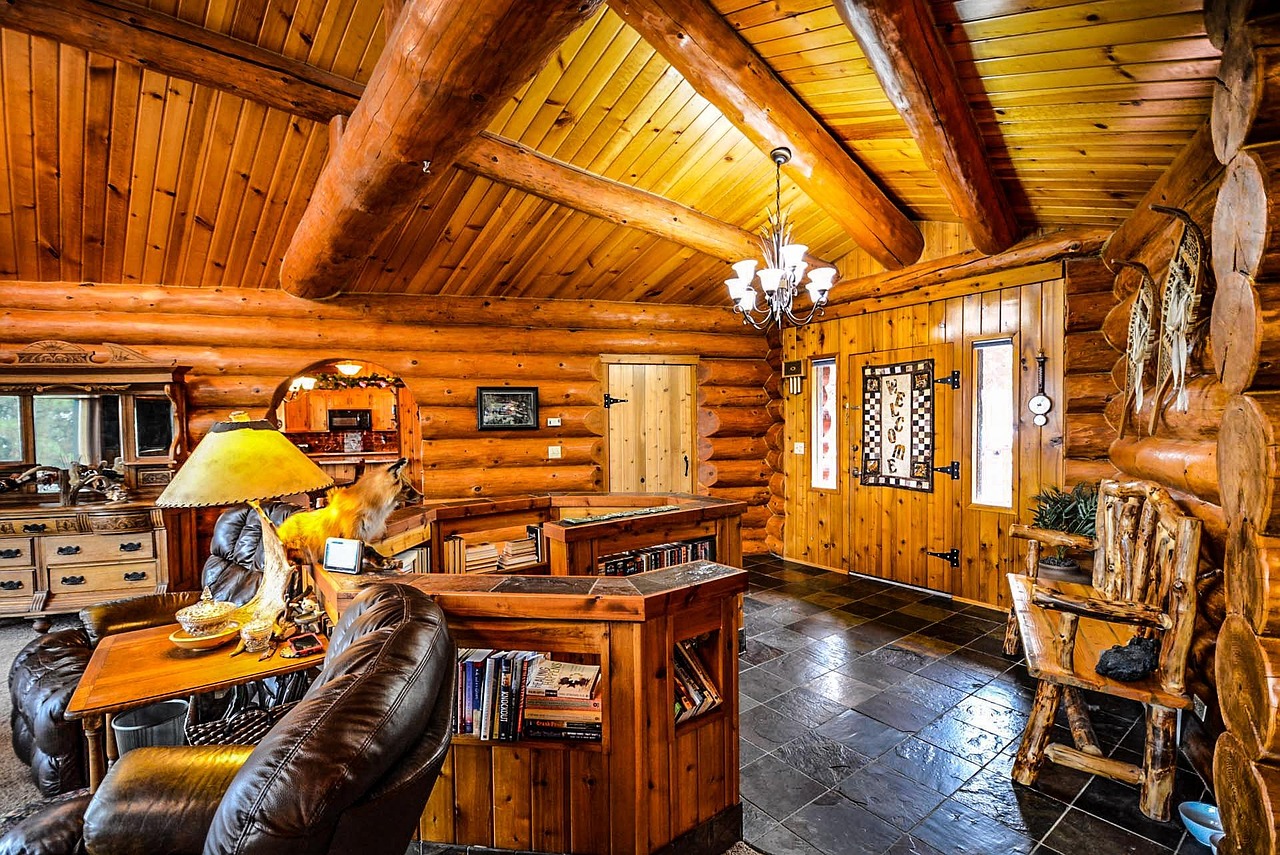
A Warm Base of Wood and Stone
Start with the surfaces you touch and see every day. Wide plank wood floors, exposed ceiling beams, stone around a fireplace, brick walls, and simple wood trim give rustic design its base. If the home already has older wood, look at refinishing before you replace it.
The 2022 Remodeling Impact Report from the National Association of Realtors and the National Association of the Remodeling Industry reported 147 percent cost recovery for refinishing hardwood floors and 118 percent for new wood flooring. That does not mean every rustic floor pays for itself, but it does show why real wood is still a strong interior choice.
A Modern Plan That Keeps Clutter Low
Rustic style can take a few large pieces, but it still needs space around them. Leave clear walkways of about 30 to 36 inches where people move often, such as between a sofa and coffee table route or around a dining chair.
Choose one main texture in each zone. For example, put a reclaimed wood table with plain plaster walls, or set a stone hearth next to smoother cabinets. When every surface tries to stand out, the room starts to feel busy fast.
A Realistic Budget Before Decor Choices
Plan fixed finishes before buying pillows, lamps, or wall art. The U.S. Census Bureau 2023 Home Improvements infographic, based on the American Housing Survey and published in October 2024, reported that 51.6 million homeowners made improvements and that owners spent a median of $6,500 on improvements.
That matters because rustic design often depends on material choices that are not cheap. A clear budget puts floors, paint, lighting, and moisture repairs first. A hand thrown vase can wait a month. A warped subfloor cannot.
What Materials Make Rustic Rooms Feel Authentic?
Authentic rustic design comes from honest surfaces. The room should look like it can age well, even if the home is new. You can mix old and new materials, but the finish should feel touchable instead of glossy. A knot, tool mark, or uneven edge is fine. Too much staged damage, though, starts to look fake.
Reclaimed Wood With Visible Grain
Reclaimed wood works best when it is used in a limited way. Try it on a dining table, a mantel, floating shelves, or one ceiling detail.
If the boards are very rough, keep nearby furniture smoother so sleeves do not catch and cleaning stays simple. In a kitchen, sealed reclaimed wood can warm up open shelving, but use stone, tile, or stainless steel near wet areas. Rustic should still work on a normal Tuesday night dinner.
Stone, Brick, and Limewash
Stone and brick add weight, which is why they fit well in rustic interiors. A fieldstone fireplace, brick backsplash, or limewash wall can make a room feel settled without adding much decor.
If real stone is too costly, choose a high quality veneer with mixed edges and natural color shifts. Flat, repeated patterns are easy to spot. Limewash is useful for softening brick because it lets the texture show instead of hiding it under thick paint.
Iron, Linen, Leather, and Wool
Rustic rooms need contrast against all the wood. Matte black iron handles, linen curtains, worn leather chairs, jute rugs, and wool throws help the space feel layered without making it feel crowded.
Keep shine low. Brushed metal usually fits better than chrome in this style. Leather is also practical in family spaces because small scratches can settle into the patina. In this case, age can be a feature, not a fault.
How Should You Choose Color, Pattern, and Texture?
Color decides whether rustic style feels current or dated. The safer route is not dark brown on every surface. A lighter rustic home uses warm whites, clay, mushroom, olive, charcoal, and deep brown in controlled amounts. Pattern should come from textiles and grain, not busy wallpaper in every room.
Warm Whites and Earthy Neutrals
Use warm white, cream, sand, or greige on large wall areas if the room has dark beams or heavy furniture. These colors reflect light and make texture easier to see.
The National Association of Realtors 2025 Remodeling Impact Report press release, dated April 9, 2025, said Realtors most often recommended painting the entire home before listing, at 50 percent, followed by painting one interior room, at 41 percent. Paint is not exciting, but it is one of the clearest ways to reset a rustic room without pulling it apart.
Muted Greens, Browns, and Clay
For accent color, look outside instead of following a trend chart. Sage, moss, tobacco, terracotta, rust, and muted blue gray work well with natural wood.
A clay colored backsplash can warm a white kitchen. Olive cabinets can make a breakfast nook feel more comfortable. Use stronger color on items that can change later, such as a runner, chair fabric, or painted cabinet island.
Texture Before Loud Pattern
If a room feels flat, add texture before adding more pattern. Try a nubby linen shade, a ribbed ceramic lamp, a woven basket by the hearth, or a wool rug with a small scale motif.
This keeps the space calm without making it plain. In a rustic bedroom, for example, a plain linen duvet, a rough wood bench, and a shaded wall sconce can do more than a busy quilt, patterned curtains, and five different pillow prints.
How Can Lighting Make Rustic Design Look Comfortable?
Lighting is where many rustic rooms fall short. Dark wood absorbs light, stone can make shadows, and low ceilings can feel lower with the wrong fixture. You need several light sources, not one bright ceiling light. Treat lighting as both mood and work light.
Layered Light Instead of One Fixture
Use three layers when the room allows it: overhead light for general use, task light for reading or cooking, and low accent light for evening warmth. In a living room, that could mean a simple iron chandelier, two table lamps, and a picture light over a textured wall.
In a kitchen, add under cabinet lighting so wood shelves do not create dark work areas. This small detail matters because rustic finishes often have more shadow than flat modern surfaces.
Warm Bulbs for Wood and Texture
Warm color temperature usually suits rustic interiors better than cool white light. Around 2700K is a common choice for living rooms and bedrooms because it works well with wood, leather, and warm paint. See also: Building Styles.
In kitchens and baths, you may go a little brighter while keeping the tone warm. Do not forget dimmers. They are not special extras; they help one room work for breakfast, homework, and a quiet late night snack.
Window Treatments That Soften Daylight
Rustic interiors need natural light, but bare windows can make a room feel unfinished. Linen panels, woven shades, or simple Roman shades soften glare without making the room formal.
If privacy is not an issue, hang curtain rods wider than the window frame so the fabric stacks off the glass. More daylight gets into the room, and the window looks larger. It is a small change, but it makes a clear difference.
What Room by Room Ideas Work Best?
Rustic design should not look the same in every room. A kitchen needs durable surfaces. A bedroom needs quiet. A living room needs comfort and good traffic flow. Keep the same material language through the home, then adjust the weight, color, and texture by room.
Living Room With Anchored Seating
In the living room, start with an anchor: a fireplace, a large window, a built in bookcase, or a strong coffee table. Arrange seating for conversation, not only for the television.
A slipcovered sofa, leather lounge chair, wood coffee table, and wool rug can feel rustic without turning the room dark. Add one personal object, maybe a landscape print from a local artist or a weathered bowl on the table. Not twelve objects. One or three usually works better.
Kitchen With Hardworking Natural Finishes
A rustic kitchen needs surfaces that can take daily use. Shaker cabinets, honed stone counters, wood shelves, zellige style tile, and black or aged brass hardware all fit.
If you like open shelving, keep it near items used often, such as plates or mugs. Display shelves over a stove can look nice for about a week, then grease and dust become the real issue. Closed storage still has a job to do.
Bedroom and Bath With Quiet Texture
Bedrooms and baths should feel softer than the main living areas. Use a wood bed, linen bedding, clay lamps, and low contrast art in the bedroom.
In the bath, mix stone look tile, wood vanities with sealed finishes, and simple metal mirrors. The U.S. Environmental Protection Agency advises keeping indoor relative humidity below 60 percent, ideally between 30 and 50 percent, to reduce moisture problems tied to biological pollutants. That makes bath ventilation and sealed wood more than a style detail.
What Mistakes Should You Avoid in Rustic Design?
A rustic room can go wrong when the theme becomes too literal. You do not need every piece to look old, brown, or handmade. Good rustic design is edited. It fits the house, the climate, and daily habits. Also, there is no reliable public dataset proving that rustic style alone raises resale value, so value claims should stay tied to specific projects like paint, flooring, insulation, and maintenance.
Too Many Dark Finishes
Dark beams, dark floors, dark cabinets, and dark leather in one room can feel heavy. If you already have two dark elements, make the third one lighter.
Pair walnut floors with cream walls. Pair dark cabinets with pale counters. Add mirrors in a careful way to move light around, but do not overdo shine. Rustic should feel warm, not gloomy.
Fake Distressing on Every Surface
Distressing works when it looks earned. A reclaimed table can carry dents well because the marks feel part of its use.
But faux chipped paint on cabinets, beds, mirrors, stools, and picture frames can cheapen the whole room. Mix aged pieces with clean lines. A modern sofa beside an old wood trunk often feels more natural than a full set of matching distressed furniture.
Forgetting Resale and Scale
Scale matters. A massive farmhouse table may look great online, then block the kitchen door at home. Measure before buying and tape the footprint on the floor.
For resale, keep permanent choices broad enough for future buyers. Rustic beams, wood floors, quality paint, and natural stone have wider appeal than novelty signs or highly themed tile. The NAR and NARI data points support project based thinking, not blanket promises about style.
- Choose one main rustic feature per room, such as a beam, table, fireplace, or floor.
- Balance rough texture with smooth walls, simple upholstery, or clean cabinet fronts.
- Spend first on paint, lighting, floors, ventilation, and storage.
- Use decor in small groups so the room feels collected, not staged.
FAQ
Q1: What Is the Easiest Way to Start a Rustic Home Interior? A: Start with paint, lighting, and one natural material. A warm neutral wall color, better lamps, and a wood coffee table can shift the room before any major renovation.
Q2: Can Rustic Design Work in a Small Apartment? A: Yes. Use lighter walls, slim wood furniture, woven shades, and one textured rug. Avoid bulky farmhouse pieces that take too much floor space.
Q3: Is Rustic Interior Design Expensive? A: It can be, but it does not have to be. Real wood floors, stone, and custom beams cost more, while paint, vintage furniture, linen, baskets, and warm lighting can create the mood for less.
Q4: What Colors Go Best With Rustic Wood? A: Warm white, cream, mushroom, sage, olive, clay, charcoal, and muted blue gray work well. Very cool gray can make natural wood look flat.
Q5: How Do You Keep Rustic Rooms From Looking Outdated? A: Keep the layout clean, use fewer themed accessories, mix aged pieces with simple modern shapes, and choose permanent finishes that feel natural rather than decorative gimmicks.