
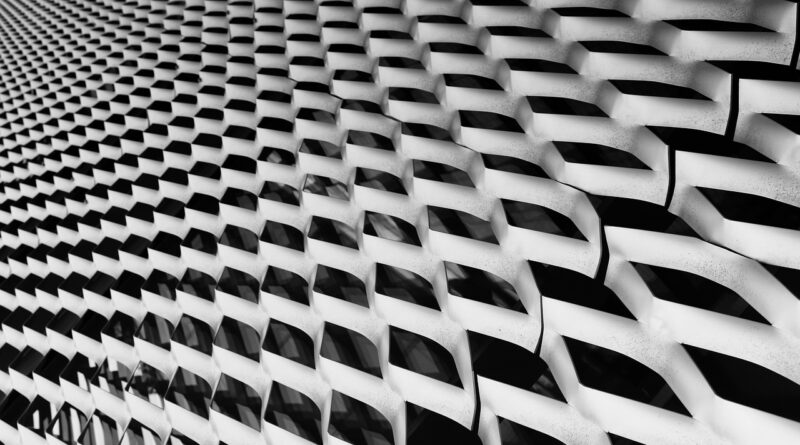
Is a Metal Building Facade the Best Choice for Modern Commercial Projects
Why Is a Metal Building Facade So Popular in Commercial Architecture?
A metal building facade is not only for warehouses or industrial sheds anymore. It is now used on offices, schools, transport hubs, retail parks, hotels, and mixed-use buildings because it is light, tidy, and suitable for hard weather. The facade is not just a face layer. It is part of the wall system, and it helps deal with rain, heat, air movement, and maintenance risk.
Sharp Visual Identity
Metal panels give the building a clean surface, and they sit well next to glass, concrete, stone, brick, and fiber cement. A flat aluminum panel can make a small office look more finished, while a ribbed steel panel can make a logistics building look less basic. Zinc or copper can bring a warmer surface that changes with age, which is why these materials are often seen on cultural or civic projects. The same material can work on a simple box or on a more shaped elevation, as long as the panel layout is planned early.
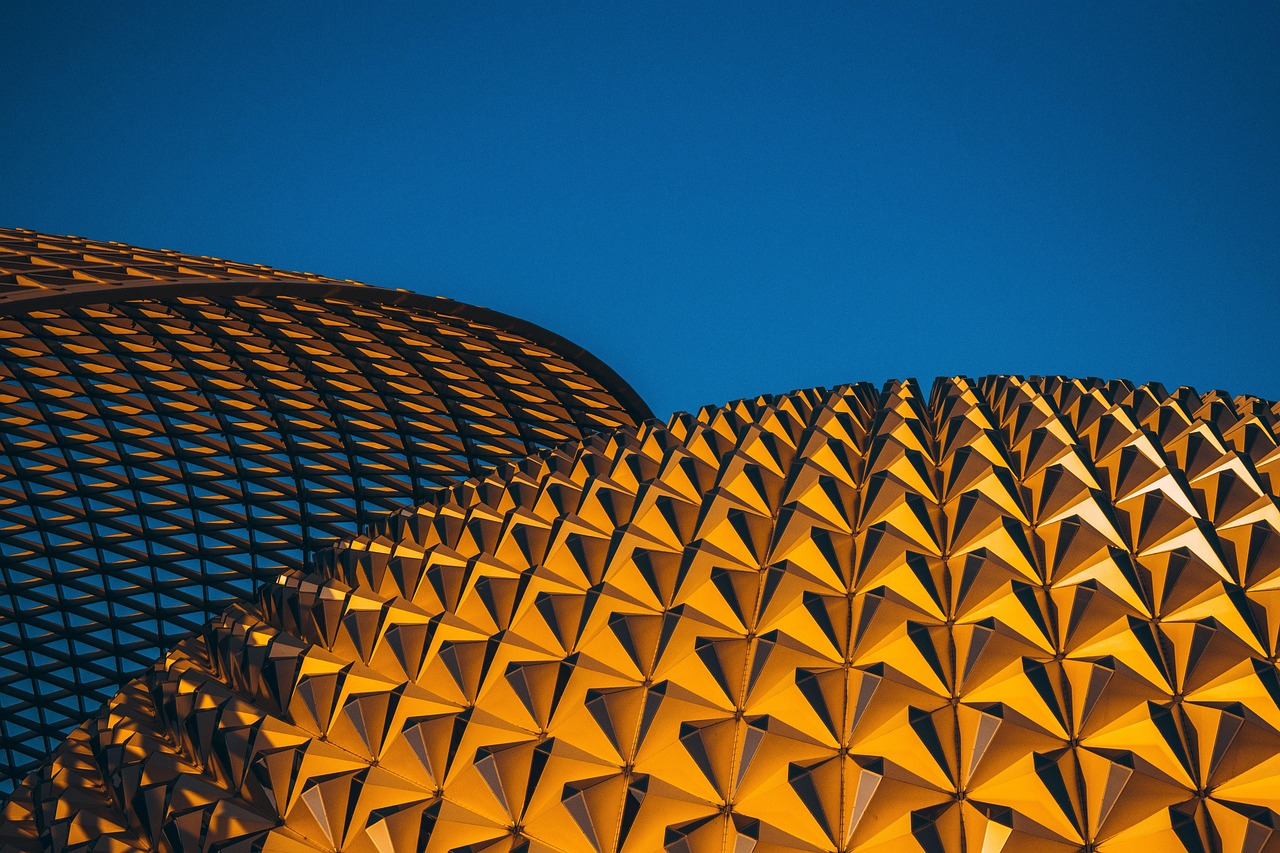
Lightweight Wall Construction
Metal cladding is usually lighter than many masonry or stone systems. That helps on upper floors, renovation work, and long-span structures where dead load needs attention. A lighter wall still needs proper engineering. Wind load, fixing layout, panel deflection, and movement joints should all be checked before the order is placed.
Fast On-Site Installation
Many metal facade systems come to site as factory-formed panels, cassettes, sheets, or trays. This can make installation faster and cleaner, which matters on commercial jobs with tight handover dates. The biggest saving often comes from repeated panel sizes and a clear grid. When installers have fewer field cuts and fewer one-off details, the work moves faster and there is less scrap.
Which Metal Facade Materials Should You Compare?
Choosing the right metal is not the same as choosing the highest-priced finish. The better way is to match the material with building use, local weather, budget, fire plan, maintenance plan, and the final look the owner wants. Two buildings can both use metal, but they may perform very differently if the panel core, coating, thickness, and fixing method are different.
Aluminum Panels
Aluminum is widely used for commercial facades because it is light, easy to form, and available in many colors. It works for rainscreen panels, perforated screens, soffits, and curved details. In coastal or humid areas, the coating cannot be treated as a small item. The specification should state finish type, color retention, salt exposure needs, and the cleaning method expected during service life.
Steel Cladding
Steel is strong, familiar to many contractors, and common on industrial, retail, agricultural, and utility buildings. Galvanized or coated steel sheets can keep cost under control on large elevations. If the project needs a neater finish, concealed fix profiles, standing seams, or micro-rib panels are good options. The World Steel Association reported in its 2023 raw materials fact sheet that steel construction products can have high recovery and recycling rates, so steel often comes up in circular construction planning.
Zinc, Copper, and Specialty Metals
Zinc and copper cost more, but they give the facade a clear character. Zinc can develop a soft grey patina, and copper changes color over time, which is part of the reason designers choose it. These metals fit museums, schools, boutique commercial buildings, and public projects where a long design life is expected. The details need care, because runoff staining, mixed-metal corrosion, and expansion can cause problems if they are ignored.
How Does a Metal Facade Affect Energy and Weather Performance?
A metal facade does not save energy by itself. The visible panel is only one layer in the full wall assembly. Insulation, air barrier, vapor strategy, thermal breaks, joints, cavity depth, and glazing ratio all affect the final result. The facade still matters because it protects the hidden layers from rain, sun, impact, and normal wear.
Thermal Control Layers
The U.S. Department of Energy states that the opaque building envelope, which includes walls, roofs, and foundations, affects 28% of building energy use and 11% of total U.S. primary energy use. That figure is useful when discussing the wall build-up with owners and consultants. If the metal facade is fixed over continuous insulation and a reliable air barrier, it can help keep the indoor space more stable. If the system uses many unbroken metal brackets, thermal bridging can reduce the real value of the insulation, so small fixing details are worth checking.
Rainscreen Drainage
A well-detailed metal rainscreen gives water a way to leave the wall instead of sitting behind the cladding. The National Institute of Building Sciences, through the Whole Building Design Guide, describes exterior envelope design as a system of control layers, not a single product. On site, this means cladding, a drained cavity, flashing, a water-resistive barrier, and clear water exits all need to work together. One blocked weep at the bottom of a wall can leave staining later, and it is usually harder to fix after handover.
Solar Heat and Color Choice
Color changes how much heat the facade takes in from the sun. A dark bronze or black metal facade may look good, but it can get hotter in strong sun. Light grey, silver, or white surfaces reflect more heat and may reduce cooling pressure in warm climates. The U.S. Department of Energy notes that exterior surface color and material can influence heat gain and daylighting, so finish color should be treated as a performance item, not only a branding item.
What Design Details Make Metal Facades Look High End?
Good metal facades often look simple from the street, but they need a lot of planning behind that simple look. Panel size, joint width, corner returns, shadow lines, window alignment, and fastener placement all affect the final elevation. If these decisions are left until late, the facade can look uneven even when the material itself is suitable.
Clean Panel Grids
A clean grid should start from the building module. Where possible, panel joints should line up with window heads, door frames, slab edges, and main corners. Random joint breaks can look cheap, especially on smooth aluminum panels. On large walls, a regular grid also helps manage oil canning, which is the slight waviness often seen on thin metal sheets, and clients do notice it even when it is not a defect.
Well-Planned Corners
Corners show the quality of a metal facade very quickly. A folded corner, mitered cassette, or designed trim piece usually looks better than a heavy cover strip added as an afterthought. The right choice depends on the budget and the panel type. For a small retail facade, a neat trim may be enough, while a flagship office may justify custom corner panels.
Balanced Texture and Finish
Texture can stop a flat wall from looking dull. Ribbed, corrugated, perforated, expanded, or brushed finishes all catch light in different ways. Some variation helps on a long elevation beside a parking lot or service road. Too many profiles can make the facade look busy, so most projects work better with one main metal profile and a second material for contrast. See also: Building Styles.
How Should You Control Cost Without Making the Facade Look Cheap?
Cost control should start before the facade package goes out for bid. If the team waits until prices come back too high, the usual cuts are made in a rush: thinner panels, weaker trims, fewer mockups, or poor detailing. Those cuts can affect the building for years. A better way is to decide where the facade needs the better finish and where a simpler system can do the job.
Standard Panel Sizes
Custom shapes add fabrication cost and often add time. Standard sheet widths, repeated cassette sizes, and regular fixing zones can reduce waste. This does not mean the building has to look plain. Use standard panels on large field areas, then spend more on entrances, corners, canopies, or street-facing sections, because visitors usually remember the front door more than the rear service wall.
Practical Coating Specifications
Coatings should fit the project environment. A mild inland site may not need the same finish as a coastal hotel or an industrial plant. Ask for coating data, warranty terms, cleaning guidance, and compatibility with nearby materials before approval. The Aluminum Association has noted that environmental product declarations are now important in green building programs, which means buyers are also looking beyond color and price, and product transparency is becoming normal in facade selection.
Early Installer Input
Installers can see costly details before they become site problems. They may suggest a better panel direction, a simpler subframe, or a safer access sequence. That advice can save time during installation and reduce the chance of last-minute substitutions. A good sample wall also helps, not just a small hand sample, but a real corner or window bay if the project budget allows it.
What Should You Check Before Specifying a Metal Building Facade?
Before the specification is fixed, check the facade as a complete system. A panel name alone is not enough. The assembly must be able to deal with fire, water, air, movement, impact, cleaning, and replacement. Many projects get into trouble when the drawing shows a nice elevation, but the specification does not say how the wall has to perform.
Fire and Code Requirements
Fire rules depend on country, building height, occupancy, and panel type. Some metal composite panels use different cores, and those differences matter. For U.S. projects, the International Building Code and NFPA test methods are often part of the discussion for exterior wall assemblies. The outer metal skin should not be treated as the whole answer, because insulation, air barrier, cavity, and attachments can also affect fire behavior.
Moisture and Air Barriers
The U.S. Environmental Protection Agency’s moisture control guidance stresses that water management should be planned across walls, roofs, foundations, HVAC, and maintenance. For metal facades, taped sheathing alone is not a full plan. The wall needs lapped flashings, drained cavities, sealed penetrations, and clear maintenance access. Water will find weak details, and it usually shows up as staining, leaks, or callbacks.
Maintenance and Replacement
A good facade should be easy to clean and possible to repair. Ask how panels can be removed if one area is hit by a truck, a sign installer, or storm debris. Also check whether replacement panels will match after years of UV exposure. Buildings near roads or factories may need shorter cleaning intervals because dirt can sit in ribs and joints.
FAQ
Q1: Is a Metal Building Facade Good for Office Buildings? A: Yes. It can give an office a clean commercial look, reduce wall weight, and support rainscreen design when it is used with the right insulation, air barrier, and subframe.
Q2: Which Metal Is Best for a Building Facade? A: Aluminum is common for modern commercial facades, steel is strong and cost-effective for large walls, and zinc or copper works for projects that need a premium natural finish.
Q3: Does a Metal Facade Improve Energy Efficiency? A: The metal panel alone is not enough. Energy performance depends on continuous insulation, thermal breaks, air sealing, glazing ratio, and color choice.
Q4: How Long Can a Metal Facade Last? A: Service life depends on metal type, coating quality, exposure, installation, and maintenance. A well-specified system can last for decades, but poor detailing can shorten that life quickly.
Q5: Is a Metal Facade Expensive? A: It can be economical or premium. Cost depends on panel type, finish, thickness, subframe, geometry, fire rating, and project location. Standard grids and early installer input help control the budget.