
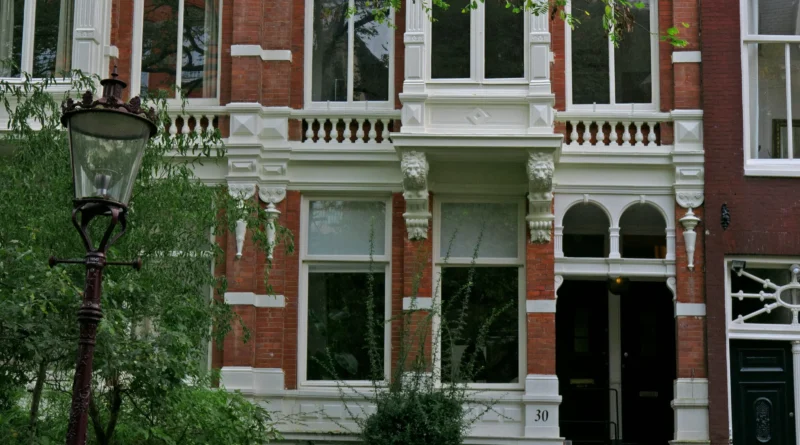
How To Design A House Facade That Stands Out
Creating a house front that grabs people’s eyes takes more than picking shades or stuff to cover it. It’s really about mixing sizes, feels, and the area around it. For builders and planners, the front side is the very first look. It shows the home’s style and how it fits with nearby things. This piece looks at ways to make a special house front. It mixes real use with eye-catching looks. All this while keeping the building’s solid shape.
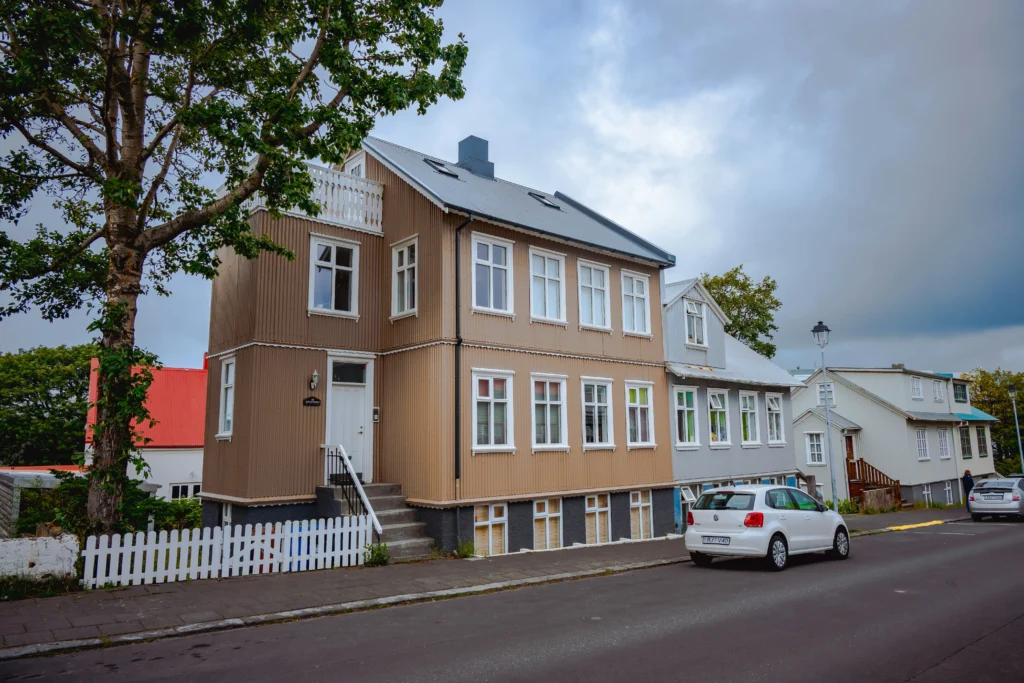
What Defines a Memorable House Facade?
A house front that sticks in your mind often mixes smooth flow and sharp differences. It feels easy, not forced. It’s not only about big picks but smart ones. Stuff, shapes, and light all have roles. When you plan it, think of how the place works with its spot all day long. Sometimes, I wonder if folks forget how shadows change everything in the afternoon.
Architectural Composition and Proportion
How parts fit together decides if windows, doors, and covers link well. Good sizes bring a calm feel, even in new styles. Take lining up window edges or repeating tall patterns. These quietly lead the gaze up. It gives a tall look. Builders use the golden ratio or simple grids a lot. They keep nice balance without making it too stiff. In one project I recall, using a basic grid helped avoid that boxy trap.
Material Selection and Texture
Choosing what to use sets the mood. Rock shows lasting strength. Wood brings cozy vibes. Metal sheets add a clean edge. Mixing them with care can point out main spots. Or it can split big flat areas into smaller bits. For example, rough rock down low with smooth plaster up top. This roots the building in place. It stays fresh and new. Textures like that can change how light hits at dawn or dusk.
Integration With Surroundings
A bold front honors its spot. In beach areas, pale colors bounce back warmth. In city spots, deeper shades hide dirt from cars better. Think of plants too. Ones that climb soften the edges. They bring changes with seasons. A solid plan doesn’t push against its home. Instead, it boosts it. Picture a house near woods, where green vines make it blend just right.
How Can Materials Shape the Character of a House Facade?
The choices of stuff for your house front affect looks alone. They also touch on how long it lasts and upkeep. Each type shares a tale of daily life and goals. It’s funny how a simple switch in material can turn a plain wall into something with real personality.
Natural Stone or Brick for Timeless Appeal
Brick stays liked for its varied feel and long life. It ages well over many years. Natural rock gives real depth. Its bumpy sides grab light in fresh ways all day. These fit old and new builds. Just use them without going overboard. In rainy spots, brick holds up better than you might think, often lasting 50 years or more.
Metal Cladding for Contemporary Expression
Sheets of aluminum or zinc add exact lines to fronts. They bounce light in clear ways. This makes moving effects based on how they face. But you need good planning. Otherwise, it might look too factory-like, unless that’s the point. One builder told me about a sleek metal front that shimmered like a mirror at sunset.
Wood Accents for Warmth
Wood bits bring a friendly size to hard shapes. Tall wood strips can block sun. They keep things private too. Treated wood fights rot. Still, it calls for check-ups now and then. This matters for folks who want easy care. Wood can feel alive, almost, with its grains telling stories from the forest.
Why Is Lighting Crucial in Facade Design?
Light changes how people see a house front when the sun goes down. It points out shapes, feels, and fine work. Plus, it keeps spots safe near doors or walks. Without good light, even the best design might fade into the dark night.
Accent Lighting for Architectural Features
Target lights or broad washes spotlight special parts. Like posts or bumpy walls. Soft light avoids harsh shine. Yet it pulls eyes to hand-done details. These often get skipped in bright day. In a quiet neighborhood, such lights make a home feel welcoming after hours.
Ambient Lighting for Soft Illumination
Light spread evenly over faces brings peace, not show. Hidden LED lines under roof edges or in nooks give quiet grace. No ugly tools mess up the sight. This setup works well for homes where calm evenings matter most.
Functional Lighting for Safety
Real needs count too. Bright spots at doors stop unwanted visitors. They help folks get around at night. Sensors that sense movement save power. They add ease. Think of a family home where kids play late; safe light makes all the difference.
How Do Color Choices Influence Visual Impact?
Shades set the tone right away. They can make a tiny house seem bigger. Or help a big one melt into its place. Colors aren’t just pretty; they shape how the whole street feels.
Neutral Palettes for Sophistication
Tones like light tan, soft gray, or pale cream give lasting charm. They match most lands around. Plus, they let feels stand out. No clashing shades fight for notice. Neutrals are safe bets, especially in mixed areas where homes sit close.
Bold Contrasts for Modern Statements
Matching dark covers with bright white edges makes strong pops. This shows up in simple builds these days. But hold back. Too much loud color tires the eyes fast. A touch of contrast, like on a corner lot, can make neighbors turn their heads.
Contextual Colors That Reflect Environment
Take hints from nature. Sandy shades by the sea. Or dirt reds in dry lands. These weave buildings into their spots smoothly. While keeping a unique touch. In one desert town, red tones helped a home look like part of the hills.
What Role Does Sustainability Play in Modern Facade Design?
Green ways aren’t just a passing fad. They form a key part of smart building now. This hits choices of stuff, power use, and full-life costs. It’s about leaving a lighter mark on the world, one wall at a time.
Energy Efficiency Through Insulation
Top fronts cut heat moves a lot. Pair them with good fill or double glass windows. This drops power costs. It boosts inside ease all year. Homes with this setup often save 20-30% on bills, based on what I’ve seen in reports.
Recycled Materials for Lower Impact
Old wood or reused metal cuts harm to earth. They add one-of-a-kind feels you can’t fake. Reclaimed bits bring history, like wood from an old barn giving a fresh front old soul.
Green Facades That Breathe Life
Plant-covered walls clean bad air. They steady temps by shading in heat. This adds real beauty to green-minded jobs. Imagine vines cooling a hot city home, dropping inside temps by a few degrees naturally.
How Can Technology Enhance Facade Performance?
New tools make fronts clever. They react systems tweak shade or air flow on their own. Based on weather facts. Tech like this turns a basic wall into something smart and helpful.
Smart Glass Innovations
Glass that shifts tint with sun strength cuts bright light. No need for shades. It keeps outside views clear. Perfect for fancy homes wanting smooth control of inside feel. In sunny spots, this can block up to 90% of glare without darkening rooms too much.
Parametric Design Tools
Computer programs let you tweak patterns just right. They use data on sun angle or breezes before building starts. This saves hours in later tests on site. Designers love how it predicts real-world quirks early.
Prefabrication Techniques
Parts built ahead in factories cut setup time big. They keep quality steady. Made in safe shops, not out in weather. This method speeds things up, often finishing weeks ahead of old ways.
FAQ
Q1: What Is the Most Cost-Effective Material for a House Facade?
A: Fiber cement panels are often considered cost-effective because they mimic natural textures like wood or stone at lower prices while offering durability against weathering. They’re a go-to for budget builds that still look sharp.
Q2: How Often Should Exterior Paint Be Reapplied?
A: Typically every five to seven years depending on climate exposure; coastal homes may need repainting sooner due to salt corrosion effects on coatings. Harsh winds can speed that up too.
Q3: Can Solar Panels Be Integrated Into Facades?
A: Yes, photovoltaic cladding systems now allow solar cells embedded directly into panels generating electricity without altering aesthetic appeal significantly. It’s a neat way to go green without ugly add-ons.
Q4: What Are Common Mistakes When Designing Facades?
A: Overcomplicating geometry without functional purpose or ignoring local context leads to discordant results lacking authenticity within their setting. I’ve seen homes that scream “out of place” because of this.
Q5: Does Orientation Affect Facade Design?
A: Absolutely — south-facing facades benefit from shading devices controlling sun gain whereas north-facing ones may prioritize insulation over shading elements for thermal efficiency. Facing east? Watch for morning heat buildup.