
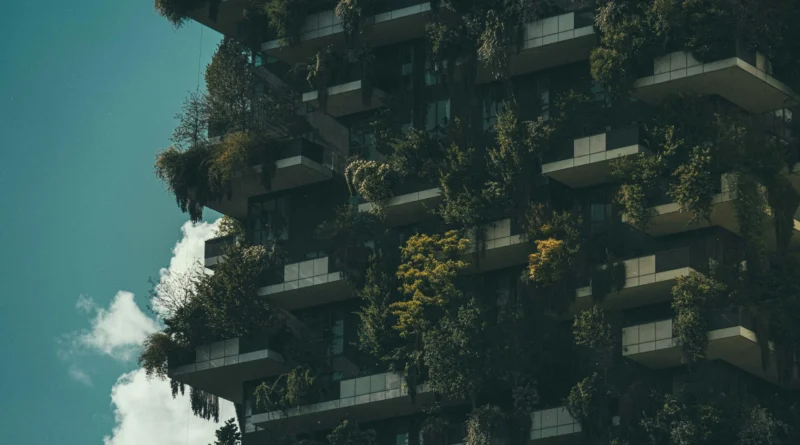
How To Improve Sustainable Building And Design
Sustainable building and design have shifted from a small interest to a key part of today’s architecture and construction work. The world’s population keeps growing. Cities spread out more. This puts extra strain on natural resources. Designers must look past just looks and money matters. They need to focus on how buildings affect the environment. Think about how materials last over time. Consider how people feel inside these spaces. This piece looks at main ways to make things better. It covers questions that push forward sustainable building and design right now.
What Are the Core Principles of Sustainable Building and Design?
The base of sustainable building involves making structures that cut down harm to the environment. At the same time, they boost usefulness and ease for those inside. It mixes together ideas from architecture, engineering, nature studies, and care for society. These ideas work as flexible rules. They change as new tools come along. They adapt to what different groups need.
Energy Efficiency as a Central Principle
Energy saving sits right in the middle of good design for the planet. Buildings use almost 40% of the world’s energy. That’s what the International Energy Agency said in 2023. You can lower this mark by using smart sun-based planning. Add strong insulation that works well. Include clever heating, cooling, and air systems. Bring in power from sources that renew themselves. Take net-zero buildings, for example. They try to make as much energy as they use each year. They do this by creating power on the spot. Plus, they cut down what they need overall. In places like cold winters, this means warmer homes without cranking up the heat all day. It’s practical stuff that saves bills too.
Resource Conservation Through Smart Material Choices
Picking materials with little built-in carbon helps a lot. Things like steel made from scraps or wood cut down in a careful way lower gases over their full life. Modular parts make it simple to take apart and use again. Look at cross-laminated timber (CLT). It holds onto carbon instead of letting it out when made. This wood acts like a storage for the air we breathe. Builders in places like Canada use it for tall structures. It feels sturdy yet light. And it cuts down on the usual heavy concrete mess.
Human-Centered Design for Long-Term Viability
Sustainability covers how people feel too. Clean air inside, light from nature, sounds that don’t bother, and designs that bring in nature all help make spaces better for health. A study from Harvard’s T.H. Chan School of Public Health in 2016 showed something clear. People in buildings certified as green scored 61% better on thinking tasks than in regular spots. Imagine workers in an office with plants around. They stay sharp longer without that afternoon slump. It’s not just fancy—it’s real gains for daily life.
How Can Technology Enhance Sustainable Building Practices?
Tech changes the way you plan, build, and keep up buildings. Tools like digital copies of structures or sensors that think help turn ideas into facts you can measure. Data shows what’s working. It makes green goals something you can see and track, not just talk about.
Building Information Modeling (BIM) Integration
BIM lets planners and builders test a whole building’s life on computers before starting. You spot problems early. Things like spots where heat escapes or too much material in one area. Then you fix the plans. When you add tools that check the full life impact, BIM turns into a way to guess how green it will be. In a project I recall from a city build, they caught a flaw in the roof design. It saved weeks of fixes later. Simple tweaks like that add up.
Smart Systems for Real-Time Monitoring
Devices linked through the Internet of Things (IoT) watch energy, room warmth changes, water use, and air inside right as it happens. This steady info lets managers adjust things for the best results. For instance, systems that predict when to fix heating can drop energy needs by up to 20%. McKinsey’s 2022 report on smart setups backs this up. Picture a school where sensors turn lights off in empty rooms. Kids learn in a space that stays just right, and the bill drops noticeably.
Prefabrication and Robotics in Construction
Making parts away from the site cuts waste. It uses materials better in a set space. Robots add exact work. They lower mistakes people make and the need to redo jobs. These steps speed up the whole build. They also trim gases from moving stuff around and work on location. In busy areas like New York, prefab helps dodge traffic jams from trucks. It’s quicker, cleaner, and workers stay safer.
Why Is Material Innovation Crucial for Sustainability?
Materials do more than hold up a building. They make up the biggest part of the carbon locked in from the start. Putting effort into new kinds here brings big wins over the years a project runs. Sometimes, it’s the quiet choices that make the real difference, like swapping one type for another without fanfare.
Bio-Based Materials With Regenerative Properties
Materials from living things, such as hempcrete or mixes with mushroom roots, take in CO₂ as they grow. They insulate about as well as old-school options. But they cost way less to the planet. Hempcrete walls handle moisture on their own. No need for fake helpers. Farmers in rural spots grow hemp fast. It pops up in a season, ready for walls that breathe easy.
Recycled and Circular Economy Materials
Ideas from a circular economy push to skip waste right from the drawing board. Glass from old bottles turned into bits for concrete works well. Wood floors from reused planks keep good stuff around longer. In Europe’s building world, these ways could slash emissions tied to materials by 38% by 2050. The Ellen MacArthur Foundation points this out. Think of a warehouse turned apartment. Old beams get new life, saving trees and cash.
Nanotechnology for Performance Enhancement
Tiny tech in materials boosts how long they last and how they handle heat. It does this without adding bulk or extra layers. Nano-coatings on windows cut down heat coming in. They keep views clear. This fits great for walls facing the sun in warm spots. A building in Dubai used this. It stayed cool inside, even on scorching days, without blasting the AC.
How Do Urban Planning Strategies Support Sustainable Design?
Buildings sit within bigger city setups. Choices in planning shape how well single projects do for the earth. A whole neighborhood can lift or drag down green efforts. It’s all connected, from streets to parks.
Transit-Oriented Development (TOD)
Putting homes close to bus or train lines cuts reliance on cars. That means fewer gases from driving. TOD builds areas with shops, homes, and jobs mixed. People walk or bike more. Trips to work shorten a lot. In Portland, they did this. Folks reported less stress from traffic. Plus, air got cleaner over time.
Green Infrastructure Integration
Roofs with plants, walls of greenery, streets that let water soak in, and setups to catch rain all fight city heat. They handle extra water from storms better. Singapore’s “City in a Garden” plan shows it works. It boosts nature and makes tight spaces nicer to live in. Birds return. People smile more on green streets. It’s a win for all.
Community Participation in Design Processes
Getting locals involved makes sure green plans fit what folks really need. It avoids pushing ideas that don’t match. Workshops where people talk reveal habits. These affect how resources get used. Such input leads to plans that stick around. In a small town project, residents suggested local plants. It saved water and felt right at home.
What Role Does Policy Play in Advancing Sustainable Construction?
Rules from governments set the starting point for what builders must do. Smart policies spark new ideas too. They guide the field without stifling creativity. Over time, they build habits that last.
Green Building Codes and Certifications
Systems like LEED (Leadership in Energy & Environmental Design) or BREEAM set clear goals. They cover water saving, where materials come from, and air inside. These steps bring openness. They give points for top designs through levels of approval. A school going for LEED saw kids with fewer sick days. Clean rules pay off in health.
Incentives for Renewable Integration
Tax breaks or money help cover the first costs of sun panels or earth heat setups. Without them, some skip these good options. Germany’s feed-in tariff since 2000 shows how policy grows clean power. Homeowners there get checks for extra energy sold back. It spreads fast, like a neighborhood trend.
Mandatory Carbon Reporting Requirements
More areas now require reports on carbon for new builds. Like the UK’s “Whole Life Carbon Assessment” rule. Teams must measure harm from start to end. Not just how it runs day to day. This pushes full honesty. A developer in London adjusted plans mid-way. They cut emissions by rethinking suppliers. Small shifts, big results.
How Can Existing Buildings Be Made More Sustainable?
Updating old buildings offers huge chances. Most city structures already stand. They weren’t all built green from scratch. Tweaks here matter more than new ones alone. It’s about working with what we have.
Energy Retrofitting Techniques
Adding better insulation, swapping old windows for ones with two layers of glass, or putting in lights that use less power like LEDs can drop energy needs a lot. You keep the building’s look the same. In an old office block, they did this. Heat bills fell 30%. Workers stayed comfy without changes to the walls.
Adaptive Reuse Projects
Turning unused factories into homes or spots for art saves the carbon already there. It brings life back to areas and helps money flow in towns. This happens often in European cities. Rotterdam and Copenhagen lead with examples. An old mill became lofts. Renters love the history. The city gained from less empty lots.
Smart Renovation Financing Models
Bonds for green work or deals based on how well it performs let owners pay from savings later. No big cash outlay at first. This way grows worldwide. Big investors eye ESG results. A hospital used it for solar add-ons. They paid over time as energy costs dropped. Patients benefited from steady power too.
FAQ
Q1: What is the main goal of sustainable building design?
A: To minimize environmental impact while maximizing occupant health and resource efficiency throughout a building’s lifecycle.
Q2: Which materials are considered most eco-friendly?
A: Recycled metals, sustainably sourced timber, hempcrete, bamboo composites, and low-carbon concrete alternatives rank among top eco-friendly options today.
Q3: How does technology support sustainability goals?
A: Tools like BIM modeling, IoT sensors, predictive analytics platforms streamline decision-making processes by providing real-time data insights into performance metrics such as energy use or emissions levels.
Q4: Are green buildings more expensive to construct?
A: Initial costs may be slightly higher due to advanced materials or certifications; however operational savings typically offset these within five to ten years depending on scale and climate zone factors.
Q5: Can small-scale projects achieve meaningful sustainability results?
A: Yes—small renovations using efficient lighting systems or locally sourced materials collectively contribute significantly when replicated across neighborhoods or municipal programs worldwide.