
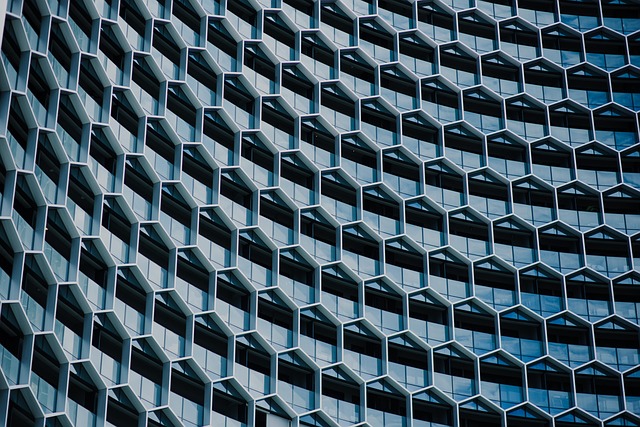
Is Facade Construction Facing a New Era of Risk or Opportunity
Exigere Report: Uncertainty Stalls Progress in Facade Construction
Global facade construction is entering a period of recalibration. Rapid urban growth, tightening sustainability goals, and volatile supply chains are reshaping how wall facade systems are designed and delivered. The industry’s capacity to adapt now depends on integrating digital tools, predictive data, and sustainable materials into every stage of the project lifecycle. Yet, uncertainty in regulation, climate stressors, and resource availability continues to slow progress across key markets.
Emerging Dynamics in Facade Construction
The global facade sector is being pulled in several directions at once. Urbanization drives demand for high-performance envelopes, while regulators and investors push for lower carbon footprints. This dual pressure has made innovation both a necessity and a risk factor for contractors and designers alike.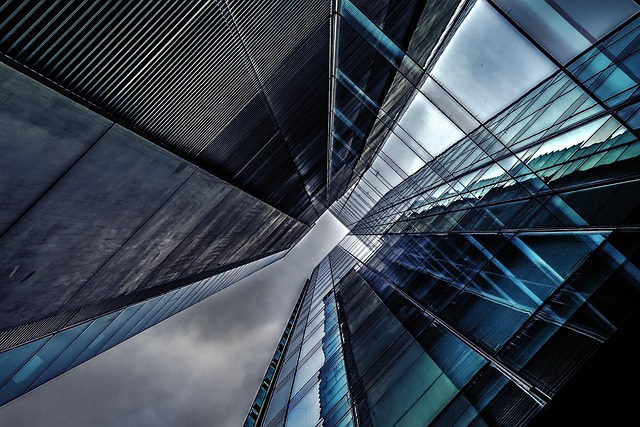
Shifting Market Forces Influencing Facade Design and Implementation
Urbanization and sustainability goals are redefining priorities in facade construction. Developers now favor materials that balance aesthetics with environmental performance. For example, aluminum composite panels are being replaced by recyclable glass-reinforced concrete or bio-based composites to align with green building codes. Meanwhile, global supply chain disruptions have increased lead times for critical components like curtain wall framing systems, forcing firms to diversify suppliers or stockpile materials early in the project cycle. Heightened regulatory oversight—particularly around fire safety and energy efficiency—is also pushing manufacturers toward continuous testing and certification upgrades.
The Role of Technological Advancements in Modern Facade Systems
Technology has become the backbone of modern facade delivery. Digital modeling tools such as Building Information Modeling (BIM) allow precise coordination between architects, engineers, and fabricators, reducing errors before installation begins. Smart facade systems equipped with responsive shading or electrochromic glazing adjust automatically to sunlight or temperature changes, improving occupant comfort while cutting energy use. Artificial intelligence further enhances this by analyzing sensor data from installed facades to predict maintenance needs or identify inefficiencies long before they escalate into costly repairs.
Risk Factors Redefining Facade Construction Projects
As projects grow more complex, risks multiply across design, procurement, and performance phases. The volatility of raw material prices and climate-related stressors has made cost forecasting increasingly uncertain for large-scale developments.
Material Volatility and Supply Chain Dependencies
Fluctuating prices for metals like aluminum and copper directly affect project budgets. Contractors often hedge against these swings through flexible procurement contracts or early bulk purchasing agreements. However, heavy reliance on imported materials exposes projects to geopolitical tensions that can disrupt logistics overnight. To counter this vulnerability, many firms are revisiting local sourcing strategies—even if domestic suppliers come at a premium—to maintain schedule reliability.
Structural Integrity and Environmental Stressors
Climate change is testing the limits of existing facade technologies. More frequent heatwaves cause thermal expansion beyond design tolerances; meanwhile, rising humidity accelerates corrosion in anchoring systems. Moisture infiltration remains one of the most persistent issues affecting wall facade longevity, particularly in coastal regions where salt exposure compounds degradation. To safeguard against these threats, laboratories now simulate decades of weathering through accelerated aging tests before approving new materials for commercial use.
Opportunities Arising from Innovation and Regulation
While risk factors mount, they also open pathways for innovation across design methodologies and sustainability frameworks.
Sustainable Materials and Green Building Standards
Sustainability has moved from optional to mandatory in facade specification processes. Recyclable cladding options—such as steel panels with low embodied carbon or terracotta tiles sourced from regional producers—are gaining traction among developers pursuing LEED or BREEAM certifications. Lifecycle assessment tools now guide material selection by quantifying long-term environmental costs rather than just upfront price tags.
Digital Construction and Prefabrication Trends
Digital workflows have streamlined collaboration between stakeholders across continents. BIM platforms integrate structural data with fabrication models so that prefabricated modules arrive onsite ready for assembly with minimal rework. Prefabrication not only reduces labor hours but also improves quality control since most production occurs under factory conditions rather than unpredictable weather environments.
The Strategic Role of Design Optimization in Managing Risk and Value Creation
In today’s competitive environment, design optimization serves as both a creative process and a financial safeguard.
Balancing Aesthetic Vision with Functional Performance
Architects face constant tension between artistic ambition and engineering constraints. Parametric modeling tools help reconcile these competing demands by generating multiple iterations that balance shape complexity with thermal efficiency and cost feasibility. Effective collaboration between disciplines—structural engineers verifying load paths while designers refine visual rhythm—ensures each decision contributes to both form and function.
Integrating Performance Monitoring into the Building Lifecycle
Once operational, facades no longer remain static assets; they become living systems monitored through embedded sensors tracking air leakage rates or thermal loss patterns over time. Continuous data collection supports proactive maintenance schedules that extend service life while minimizing unplanned downtime. Predictive analytics derived from this data can even inform future retrofit cycles by identifying which sections degrade fastest under specific climate conditions.
The Future Outlook for the Facade Construction Industry
The next decade will likely reward firms capable of merging design intelligence with operational foresight.
Evolving Business Models in a Competitive Landscape
Integrated delivery models such as design-build partnerships are replacing fragmented contracting structures that once slowed communication between teams. Some contractors are experimenting with risk-sharing frameworks where performance incentives replace traditional penalties to encourage collaboration under uncertainty. Investment in research—particularly around adaptive materials that self-heal microcracks or modulate insulation dynamically—has become a clear differentiator among market leaders seeking long-term advantage.
Anticipating Regulatory Evolution and Industry Adaptation
Governments worldwide continue tightening building energy codes that directly influence facade system specifications. New standards emphasize circular economy principles by mandating recoverable components at end-of-life stages instead of permanent adhesives or composites that hinder recycling efforts. As regulations evolve faster than ever before, continuous professional training remains essential to keep practitioners aligned with upcoming compliance thresholds.
FAQ
Q1: What is driving current changes in wall facade construction?
A: Rapid urbanization combined with stricter sustainability targets is reshaping how facades are designed, sourced, and maintained globally.
Q2: How do supply chain issues affect project delivery?
A: Delays in importing key materials can extend timelines significantly; many firms now prioritize local sourcing to reduce dependency on volatile trade routes.
Q3: What technologies improve modern facade performance?
A: BIM modeling enhances precision during design stages while smart sensors enable real-time monitoring once installed.
Q4: Why is prefabrication becoming popular?
A: It reduces onsite labor hours, improves consistency through controlled manufacturing environments, and shortens installation periods on complex projects.
Q5: How will regulation impact future designs?
A: Stricter energy codes will push architects toward adaptive facades using recyclable materials that meet both aesthetic expectations and environmental mandates.