
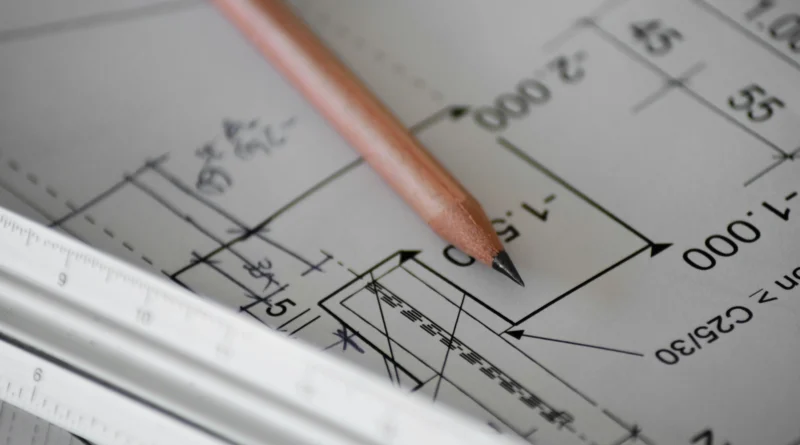
Are Pre Made House Plans Worth It
Picking the right way to design a home stands as one of the biggest choices in any building job. Plenty of homeowners argue over getting an architect for a full custom setup or buying pre made house plans. This second choice has picked up steam because of online plan sellers and digital tools. But do pre made house plans truly pay off? This piece looks at the good sides, bad sides, and money effects in detail. It focuses on real tips that help pros and builders with know-how.
What Are Pre Made House Plans?
Before you pick if pre made house plans work well, you need to know what they mean. You also should see how they stand apart from custom setups. These plans act as ready-drawn building drawings made by skilled designers or architects for sale to anyone. They usually cover floor setups, outside views, building details, and lists of needed materials. People buy them from the web or design companies. Then, they tweak them a bit to fit local rules or their own likes.
Definition and Core Features
Pre made house plans show up as full packs of building drawings set for construction checks. They often have wiring setups, roof ideas, and base plans. Unlike custom ones that begin from nothing, these are basic patterns that get used in many jobs. I remember a buddy who grabbed one for his backyard build. It saved him headaches from starting over.
Common Types of Pre Made Plans
You can spot different kinds out there. Think simple modern homes, cozy farmhouse styles, two-level neighborhood houses, or small city spots. Some sites even sell green or sun-powered options. Each kind fits various ways of living and land types. For instance, a compact urban one might suit a tight lot in a busy town.
How They Differ From Custom Plans
Custom house plans fit exactly to a person’s land, money limits, and daily needs. Pre made house plans give a quick fix that needs less design time. But it might call for more changes while building. That said, sometimes those tweaks end up fun, like adding a personal touch to the kitchen.
Why Do People Choose Pre Made House Plans?
The pick usually boils down to speed, money savings, and ease. For builders or owners with short timelines or small budgets, these ready designs cut corners. They keep quality mostly intact. In my view, it’s like buying a ready meal when you’re in a rush—good enough without the full cook time.
Cost Savings Compared To Custom Designs
A usual custom home plan runs from 5% to 15% of the whole build cost, based on how tricky it is (source: HomeAdvisor 2023). Pre made house plans cost just $1,000 to $3,000 for all drawings. That gap saves big bucks right away. You could use that cash for better counters or power-saving add-ons. Picture this: a family in Texas saved $20,000 by going this route and splurged on solar panels instead.
Faster Project Timelines
The design part is done already. So, you jump to permits and build prep. This cuts wait times by weeks, or months even. No more pacing for architect changes. One contractor I know finished a whole house two months early thanks to this.
Predictable Design Outcomes
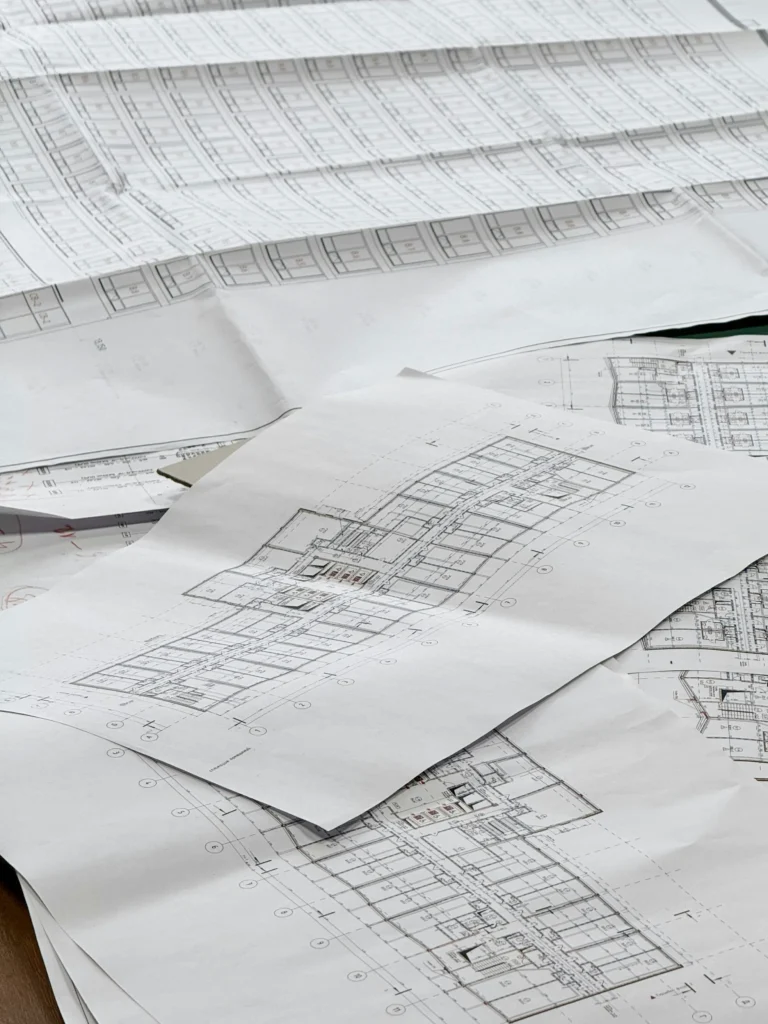
With these plans, you view everything upfront. Floor setups, room sizes, front looks—all shown online. This clear view stops shocks during the build. Changes then would hit your wallet hard. It’s reassuring, especially for first-timers who worry about the unknown.
What Are the Limitations of Pre Made House Plans?
These plans have upsides, but they don’t fit every case. Builders need to think about downsides like tweak limits and rule fits. Oh, and sometimes the weather in your area throws a curveball you didn’t expect.
Limited Customization Options
Most stock plans let you make small shifts. Like moving a window or swapping materials. But big structure shifts cost extra. If your land has odd hills or strict rules, those fixes might eat up your early savings. A friend learned that the hard way on a sloped lot—extra engineering bills piled up.
Potential Code Compliance Issues
Rules for building differ a lot by place. Snow needs in cold spots versus storm strength near the sea. A plan from one area may not match another’s without a check from a local pro. Always double-check, or you could face delays at the permit office.
Generic Aesthetic Appeal
These designs target wide crowds. So, they might miss unique style. Pros wanting standout projects often go custom. That way, it shows local roots or the owner’s vibe. Not mass copies. Still, in a neighborhood of similar homes, it blends right in—which some folks like.
How Do Pre Made House Plans Affect Construction Costs?
Keeping build costs in check plays a key role in if these plans make money sense. Let’s break it down with some real numbers from past jobs.
Lower Design Fees But Possible Modification Costs
Upfront buys stay cheap versus starting with an architect. But tweak asks, mainly big ones, add bucks back if pros handle them later. Say you need to shift a wall—that could tack on $2,000 easy. Plan for it.
Material Efficiency And Waste Reduction
Ready layouts use common sizes. Like 8-foot walls or easy frames. This cuts down on scrap from cuts and buys. Contractors love it for smooth runs on average home jobs. Less mess means quicker cleanups too.
Impact On Resale Value
Houses from known plan books draw buyers who know the setup and look. But in fancy spots, they might not sell for top dollar like one-of-a-kind customs. There, being special counts more than being comfy and known. Data from Zillow shows custom homes fetch 10-15% more in upscale areas, but stock ones hold steady in suburbs.
When Are Pre Made House Plans Most Beneficial?
No single rule fits all. It hinges on the job kind and what the owner wants. Think about your own setup before jumping in.
For First-Time Builders Or Developers
New folks in home building gain the most. Standard designs make permits simpler. They lower early risks too. It’s like a safety net for beginners navigating the red tape.
For Budget-Conscious Homeowners
If you want cheap living without dropping quality—maybe under $300k total—a smart stock pick gives solid bang for your buck. It keeps the home livable and nice-looking. Many families pull this off yearly.
For Projects With Tight Deadlines
When time pushes you—like guess builds that need fast starts—these plans speed up ground breaking. Paperwork stays easy, even for several units at once. A developer in Florida used them to finish three homes before the rainy season hit.
Can You Customize Pre Made House Plans Effectively?
Sure, you can tweak them well. But keep hopes real about the range and costs. Do it right within rule limits. It’s not magic, but with care, it works.
Minor Adjustments Through Drafting Services
Lots of web sellers team with skilled drawers. They change CAD files for fair prices, often $500 to $1,500. Common fixes include flipping layouts, turning garages, or sizing windows for more light. These small wins make the home feel yours without big hassle.
Structural Modifications Requiring Professional Oversight
Big shifts, like moving weight walls, need engineer checks. This keeps safety under International Residential Code (IRC) rules, used in most U.S. spots since 2018 changes (source: ICC). Skip this, and you risk the whole build. Pros always say: better safe than sorry.
Integration Of Sustainable Features
Buyers who care about energy often want sun setups or better wall fills added to stock drawings. It’s doable if you team up with machine experts early. Do it before permit time. One couple I heard about added rainwater collection this way—saved on bills long-term.
FAQ
Q1: Can I build directly from a pre made house plan without hiring an architect?
A: Yes, but local building authorities may still require a licensed professional’s stamp verifying compliance with regional codes before granting permits.
Q2: How long does it take to get approval using stock plans?
A: Typically two to four weeks if documents meet local code standards; longer if revisions are requested by inspectors during review cycles.
Q3: Are online house plan sellers reliable sources?
A: Reputable platforms vet their architects carefully; always check customer reviews and confirm that drawings include full structural details before purchase.
Q4: Can I reuse one purchased plan multiple times?
A: Licensing terms vary—some allow single-use only while others permit multiple builds under extended licenses at additional cost; read terms closely beforehand.
Q5: Do banks accept pre made house plans for mortgage appraisals?
A: Generally yes; lenders care more about appraised value versus blueprint origin as long as certified professionals validate structural integrity within documentation packages provided at loan application stage.