
What Is Facade Construction And Why It Matters
Facade construction sits right where design, engineering, and environmental performance meet. It’s not only about a building’s appearance. It’s also about how the building works, how it deals with its surroundings, and how it holds up over the years. For folks in architecture, engineering, and construction, knowing facade systems is key to getting both good looks and solid tech right. I mean, think about those tall office towers downtown— their outer layers aren’t just pretty; they keep everything inside safe and comfy.
What Defines Modern Facade Construction?
The facade acts as a building’s outer skin. This visible layer shields inside areas from outside pressures. At the same time, it helps shape the building’s unique look. In today’s work, facade construction mixes materials, support systems, and tech to build covers that look great and work well. These covers need to be eye-catching yet practical. For instance, in a busy city project I recall, the team picked a simple glass setup that let in light without wasting energy.
Material Systems in Facade Design
Facade materials go from old-school stone and brick to strong glass, aluminum panels, and ready-made concrete slabs. Each one has its own traits—like how well it blocks heat, its heaviness, and how long it lasts. These traits guide choices in design. Take curtain wall systems of glass and aluminum. They shine in tall buildings because they’re light and can cover big areas. On the other hand, brick walls give weight and steady heat control, which helps in mild weather zones. It’s funny how something as basic as brick can still beat fancy new stuff in the right spot.
Structural Integration Techniques
A facade’s strength relies on its links to the building’s main skeleton. Today’s facades often use ready-made parts or slabs fixed with clips or hooks. These let the facade shift a bit from heat swings or strong winds. Engineers have to figure out bends precisely. Just a tiny shift of a few millimeters can cause water leaks or breaks as time goes on. In one job site I heard about, a small misfit led to fixes that cost extra weeks, proving how careful planning pays off.
Performance-Driven Design Approaches
Current facades aim for more than just style. They focus on saving energy and keeping people comfortable inside. Things like double-layer walls, air-flow covers, and moving shade tools boost heat control. They keep clear views or nice sights too. Now, computer programs let you check sun heat, light spread, and air flow before making anything. This step saves headaches later. Picture testing a design on screen first—it’s like a dress rehearsal for the real build.
How Does Facade Construction Influence Building Performance?
A smart facade changes how a building uses power, handles dampness, and keeps inside air fresh. The outer layer works as a wall and a screen. It decides what gets in or out of the inner space. Without it, buildings would struggle in bad weather, right?
Thermal Regulation and Energy Efficiency
The facade sets most of a building’s heat flow rules. Special glass with coatings that block heat rays cuts cooling needs in warm places. It lets light through but bounces back warmth. Thick wall setups with good fill stop heat from escaping in cool areas. Reports say better facade fill can drop heating use by as much as 30 percent, based on the weather (source: U.S. Department of Energy, 2020). That’s a big win, especially with rising energy bills—I’ve seen teams celebrate when numbers like that come in.
Acoustic Comfort and Air Tightness
In noisy city spots, sound blocking in the facade matters a lot. Layered glass or mixed panels soak up noise well. They do this without making the build too heavy. Tests for air leaks at the start check how tight seals are. This affects how well heating and cooling systems run. It also keeps air quality steady, like holding CO₂ levels even. Good seals mean fewer drafts and happier workers inside.
Moisture Management Strategies
Dealing with water is one of the toughest parts in facade work. A good rain-screen setup lets water that sneaks past the front drain away or dry up. It stops the wet from hitting fill or main parts. Bad joints or glues often cause steam buildup. This speeds up wear on stuff over time. It’s a pricey headache in high buildings hit by hard rain or wet shifts. One rainy coast project taught me that skipping details here leads to mold issues nobody wants.
Why Is Sustainability Central to Facade Construction?
Sustainability fits hand in hand with today’s building ways. Facades matter a ton here. They cut daily power use and upkeep bills. They also lower hidden carbon from picking materials. Plus, in a world pushing green, ignoring this just doesn’t fly anymore.
Low-Carbon Material Choices
Choosing reused aluminum edges or stone from nearby cuts travel fumes. It backs reuse ideas too. Full-life checks now happen early in plans. They measure harm from making, setting up, using, and ending a material’s run. Makers share green fact sheets that help pickers compare for green badges like LEED or BREEAM. These tools make it easier to go green without guesswork.
Adaptive Façade Technologies
Smart facades change with outside changes, like bright sun or gusty wind. They use auto slats or glass that shifts color with power. These cut extra light or heat while letting in day glow. They make inside nice without full machine cooling. Upfront prices are steep, but savings in running costs cover it in about ten years, per studies from groups like Arup (2021). It’s like investing in a smart home for a whole tower—worth it for the long haul.
Maintenance And Longevity Considerations
Green planning means building to last and fix easy. Swap-ready slabs let you change just the bad parts, not tear down all. Coatings that clean themselves save water in care. Rust-proof holds stretch life, key near seas where salt eats fast. Thinking ahead stops waste from big fixes later. This idea runs deep in building worldwide. Honestly, I’ve watched old facades outlast flashy ones because of smart upkeep choices.
What Are The Common Challenges In Facade Construction?
Even pros run into snags mixing style with build sense or tight budgets in real work stages. It’s never straightforward, and small slips can snowball.
Coordination Among Disciplines
Facade jobs need tight teamwork. Architects craft the shape and feel. Engineers crunch load numbers. Builders handle on-site moves. All at once. If talks break down, delays or redo work hit hard. This is worse with odd shapes needing exact fits. In a curved hotel build, poor chats added months—lesson learned for next time.
Quality Control During Fabrication
Ready-made slabs go through cuts, joins, seals, and finishes. Each bit needs checks in a set space. Tiny slips add up fast. They cause fit problems when put together outside. So, strict shop reviews are a must for good checks. Skipping them risks the whole job.
Installation And Safety Requirements
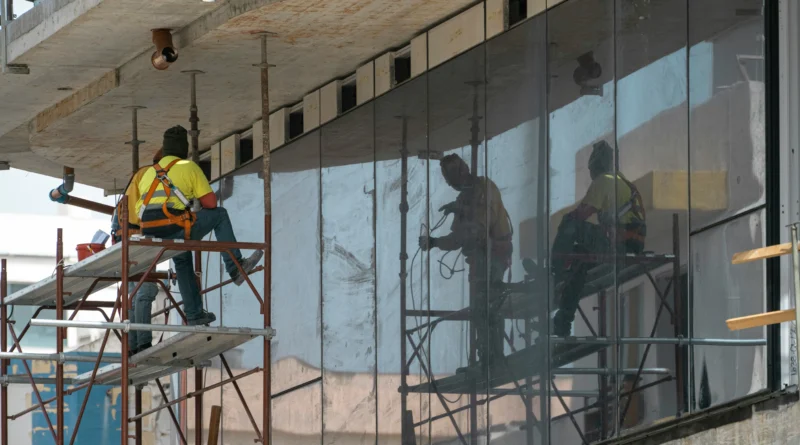
Putting up big glass high up brings real safety worries. Cranes, suck tools, and frames must follow tough rules. Workers train to grip breakable bits. Bad weather makes timing trickier. So, backup plans cut risks of falls or holdups. Safety first keeps everyone coming home whole.
How Do Digital Tools Transform Facade Construction?
Tech changes have flipped how facades start, get made, and go up. They close the space from idea sketch to real thing. It’s exciting to see old ways mix with new gadgets.
Building Information Modeling (BIM) Applications
BIM pulls shapes, stuff facts, and work tests into one shared file. Teams spot bumps early. They tweak parts right away. This cuts field fights and saves time and cash over the full job. BIM turns chaos into smooth flow.
Parametric Design And Optimization
Tools like Grasshopper in Rhino make wild shapes tied to weather needs. Designers tweak settings on the fly. They try heaps of options to hit style and work balance fast. Back in hand-draw days, this was a dream. Now, it’s everyday magic for big ideas.
Robotics And Prefabrication Advances
Auto shops use robot arms for curtain walls. They hit exact marks with less slip-ups. Build speeds up, and quality stays even. Digital lines feed straight to cut machines. No middle steps mean better aim and repeat for huge sites. It’s like assembly lines for skyscrapers.
How Does Facade Construction Affect Urban Identity?
Besides the hard facts and money side, facades tell city stories. They show shared beliefs and past recalls through shapes. Picks of stuff, lines, feels, and shades shape how streets look. This builds area feel. Building groups tie strong to the outer talk used in a spot.
Cultural Expression Through Materials
Old areas stick to brick and stone for steady look. New work zones pick shiny glass for open, forward vibes and tech edge. So, choosing the outer mix is like writing a tale. It links old and new for folks who live there or pass by. Glass towers scream “future,” while stone whispers “roots.”
Human Scale And Visual Comfort
Sizes, breaks on the face, depth, and shade play make walkers feel right-sized. Small changes in window edges, steps out, or slats end boredom. They add touch feel in daily walks. This makes builds welcoming, not cold giants. A street with varied facades feels alive, drawing people in.
Nighttime Illumination Strategies
Lights shift how things look at night. LED-built facades do moving shows or touch setups. They turn still walls into talk spots mixing art and tech. But tune it right to skip harsh beams or waste light. Keep eco balance for night critters who mind glow strength and shade warmth. Done well, it adds magic without harm.
FAQ
Q1: What is the primary purpose of facade construction?
A: It works as a shield cover. This handles outside things like warmth, wet, and sound. At the same time, it sets the style mark of the building in its place.
Q2: Which materials are most commonly used today?
A: Glass, aluminum, stone, and precast concrete lead the pack. Each gives a mix of power, load, block, and price based on the job kind, spot, and weather type.
Q3: How does facade design influence sustainability goals?
A: It picks low-gas stuff and adds change tech. This boosts heat work and cuts power needs. So, it helps get green stamps like LEED or BREEAM in world building ways.
Q4: What role does BIM play in modern projects?
A: BIM gathers facts and links teams. It spots plan bumps early. Plus, it smooths make and put-up steps for better aim and flow in the full hand-off.
Q5: Why should urban planners care about facades?
A: The group look from building outs shapes the city’s feel. It sways how folks see and take pride in areas. Over time, it holds past worth as the city grows. These outer skins mix skill, new ideas, and aims to form skyline gifts for those who come after.