
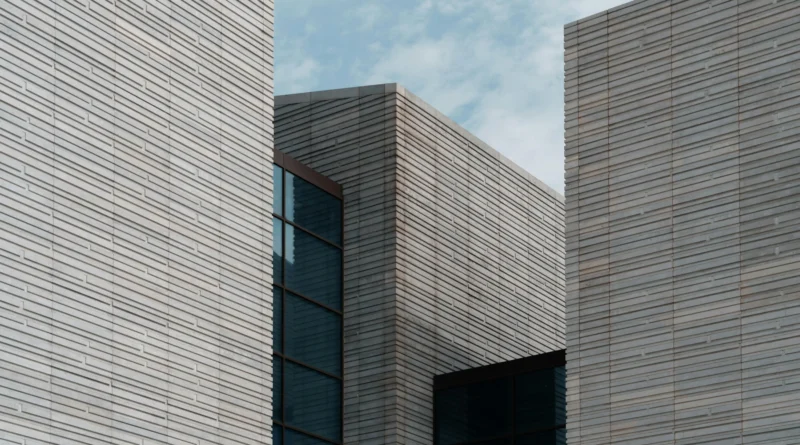
What Are The Benefits of Terracotta Facade
Terracotta façade systems stand out in today’s building designs. They mix old-school skills with smart engineering. For folks in design and building work, this stuff gives a nice blend of solid performance, green practices, and looks that fit many styles. The next parts look at why terracotta façades get picked more and more in new projects. I remember seeing one on a city office building last year—it really caught the eye with its warm glow against the glass.
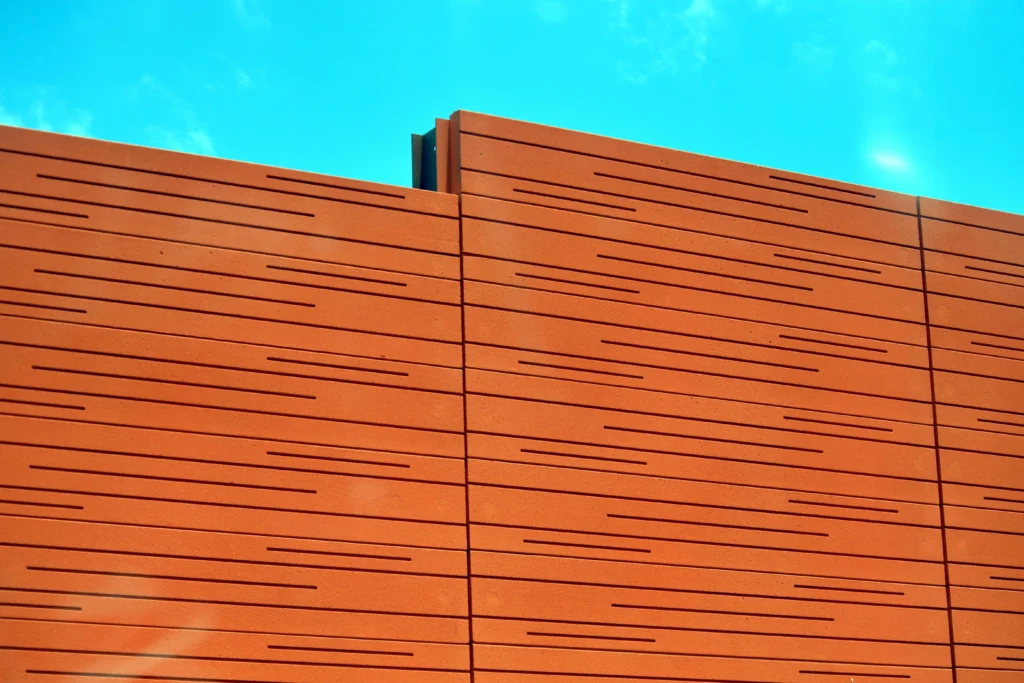
Why Is Terracotta Facade Considered an Energy-Efficient Choice?
One big plus for terracotta façades is how they save energy. The material’s basic makeup and build help control heat. This cuts down on power use in buildings. For example, in hot places like southern Spain, these setups keep homes cooler without cranking the AC all day.
Thermal Insulation Performance
Terracotta panels work as a basic barrier against heat. Their holes let them hold warmth or cold steady. They slow down heat moving from outside to inside. In areas with big hot-cold changes, this cuts the need for heaters or coolers. Over time, you save on bills. Studies show up to 20% less energy use in such setups, based on real builds in Europe.
Ventilated Facade Systems
Fitted into a ventilated façade system, terracotta lets air move between the panel and the main wall. This flow pushes out extra heat in warm months. It also stops water from sticking around in cold times. So, the whole building shell works better. You don’t lean so much on fake temp controls. It’s like a natural breath for the wall.
Contribution to Sustainable Design
Terracotta façades help get green building stamps like LEED or BREEAM. They lower day-to-day energy needs. Plus, making them uses plain clay with few added chemicals. This fits with low-waste building aims that many designers chase now. In one project I read about, a school in the UK hit top scores partly thanks to these panels.
How Does Terracotta Facade Enhance Aesthetic Flexibility?
Aside from the tech side, terracotta shines in how it looks. Builders like how it pairs old charm with fresh shapes. It makes walls that grab attention but still blend in well.
Variety of Colors and Textures
You can get terracotta panels in lots of shades. This comes from different clays or careful baking steps. Finishes go from slick and shiny to bumpy and dull. Designers pick what fits. It works for fixing up old sites or new shops. Think of a museum where the rough texture adds a story-like feel to the walls.
Customizable Shapes and Formats
New tech lets makers shape terracotta into tricky forms or big slabs. Strength stays the same. This opens up fun wall ideas. You see tall strips, shades, or bends that catch sun at different times. In rainy Seattle, curved ones help water run off nicely.
Integration With Other Materials
Terracotta goes well with glass, metal, or rock parts. It sparks mixed looks where soft colors pop against shiny bits. You’ll spot this in fancy schools or arts spots. They aim for a look that lasts. One hotel in Dubai mixed it with steel for a desert vibe that feels timeless.
What Role Does Durability Play in Terracotta Facade’s Popularity?
How long something lasts matters a lot for outside covers. Terracotta holds up strong against weather hits. That’s why it’s great for builds meant to stick around.
Resistance to Weathering
Terracotta stands up to sun rays, dirty rain, freeze-thaw, and city grime. Colors don’t wash out, and shape stays firm. Even after many years outside, it looks good. This beats painted metals or mixed boards that need fixes. In places like Chicago with harsh winters, these panels just keep going without much fuss.
Low Maintenance Requirements
You don’t have to coat or seal terracotta often. Just clean it now and then. The hard outer layer pushes away dust. So, it stays pretty with little work. Compared to other stuff, this saves money over years.
Proven Longevity in Architecture
Old spots show this—from old Chinese temples to 1800s walls in Europe. Terracotta lasts hundreds of years. New ways to make it boost reliability and toughness. When set right, it serves over 50 years. I’ve seen restored buildings where the original pieces still work fine.
How Does Terracotta Contribute to Environmental Sustainability?
Being green isn’t just about running costs. It covers where stuff comes from and what happens at the end. Terracotta does well here. But hey, not every clay source is perfect—some digs affect local spots, so picking ethical suppliers counts.
Natural Raw Materials
Terracotta comes mostly from clay dug from plenty of earth spots. It skips fake plastics or bad gases. So, it keeps inside air clean during use or when tossed out. This simple start makes it a safe pick for families and workers.
Recyclability and Reuse Potential
When done, you can break terracotta and mix it into fresh bricks or paths. This loop cuts trash heaps. It beats non-reuse covers like plastics or mixes. In construction yards, folks often reuse old tiles this way to save cash and space.
Reduced Carbon Footprint Over Lifecycle
Baking clay takes power to make. But overall, the mark on air stays low. Think about how long it lasts and how little fix-up it needs. Many makers use sun or wind power for ovens now. This drops smoke per area made. Reports say it’s about 30% greener than aluminum over 50 years.
What Are the Acoustic Benefits of Terracotta Facade?
How it handles sound is a hidden win for terracotta façades. This matters in noisy cities where racket bugs people inside.
Sound Absorption Properties
The tiny holes in baked clay soak up noise waves. They don’t bounce them all back. Paired with air gaps behind, it quiets rooms near loud roads or factories. In tests, it cuts street sounds by 10-15 decibels, like turning down a busy highway.
Application in Public Buildings
Places like hospitals, schools, and work spots gain from this quiet help. It makes insides calmer without extra sound layers. This saves money and keeps the look smooth. A library in New York used it to hush traffic noise for better reading spots.
Consistency Across Large Surfaces
Light metal sheets can shake in wind and make extra racket. Terracotta stays put thanks to its weight and stiffness. Sound blocking stays even over whole walls, no matter the weather outside. This steady side helps big projects feel solid.
Why Is Terracotta Facade Suitable for Modern Construction Practices?
Today’s building needs quick setup with exact details. Terracotta systems match this well through planned parts.
Prefabricated Panel Systems
Makers send terracotta pieces already fixed to metal frames. They’re set for fast on-site work. This speeds up jobs. It keeps sizes spot-on for box-like walls. In fast-track projects, like a mall expansion, this shaved weeks off the schedule.
Compatibility With BIM Workflows
Computer tools work smooth with standard terracotta bits. Each type shows true in Building Information Modeling software. This helps teams—designers, fixers, and builders—line up plans early. It’s a real team player in digital setups.
Fire Safety Compliance
Terracotta doesn’t burn on its own. It rates A1 in EN 13501-1 rules. This meets tough fire laws for tall buildings. It’s key after new worldwide cladding rules. No worries about spread in emergencies.
FAQ
Q1: What makes terracotta façade more durable than other cladding materials?
A: Its baked ceramic makeup fights fading, rust, and temp shifts better than metals or mixes that need top coats for safety.
Q2: Can terracotta façades be used in humid coastal environments?
A: Yes. Well-coated panels handle salt mist and wet uptake fine. Use ventilated setups for water flow behind.
Q3: Are there limitations on panel size for architectural design?
A: New shaping tech allows big panels up to a few meters. They stay strong with added frame support.
Q4: How does maintenance compare between terracotta and aluminum façades?
A: Terracotta just needs washes sometimes. It doesn’t rust like aluminum. So, long-run care costs sit lower.
Q5: Is recycled content available in modern terracotta products?
A: Lots of makers add back old clay bits—around 10% to 20%. It keeps colors even and strength solid, per CERAMIC REVIEW notes from 2023.