
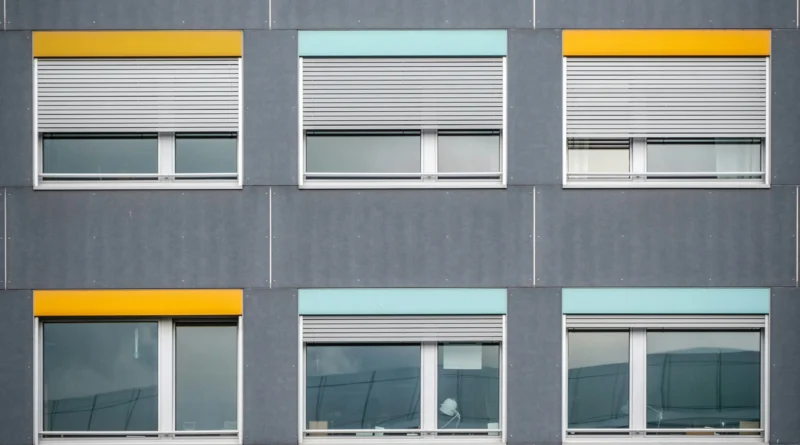
What Are The Different Facade Types
Building facades do more than cover the outside of a structure. They help form its look, how it works, and what people think of it. In any busy city view, you see many kinds of facades. This shows choices in style and new tech advances. From old stone covers to moving glass walls, each kind has its own job in design, saving energy, and upkeep. This piece looks at the key groups of facades used now. It checks how they fit in various building spots. I remember walking past a tall office block in downtown Chicago once, and its shiny glass front caught my eye right away. It made the whole street feel alive.
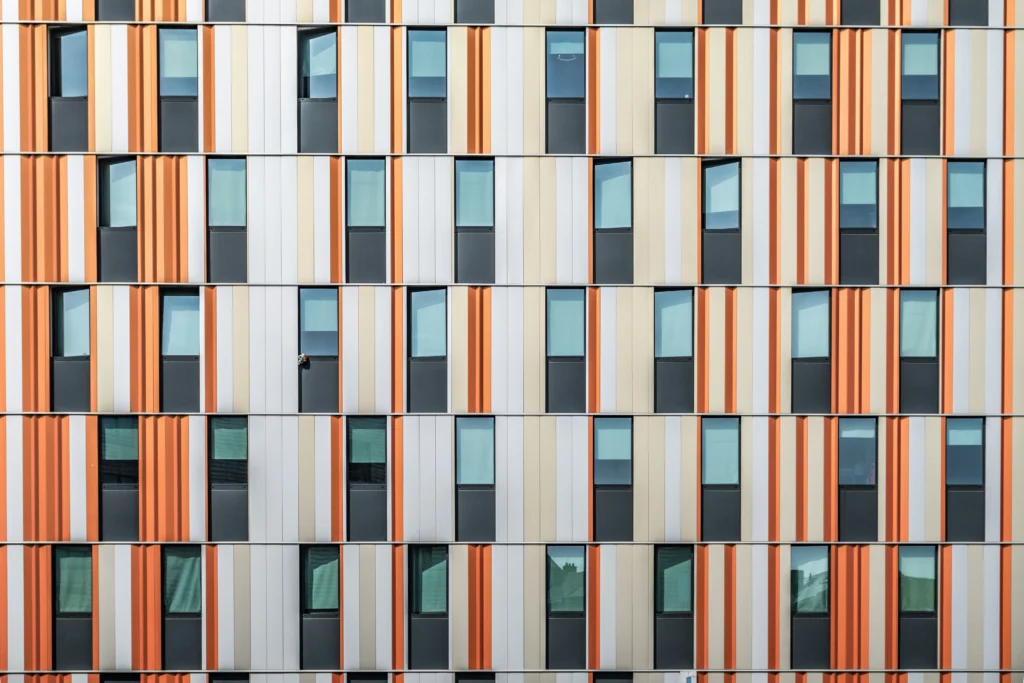
What Defines a Building Facade?
Before we get into the exact facade kinds, we need to explain what sets a facade apart from other outside parts. A facade is often the front side of a building. It deals most with public areas. It mixes strong needs with nice looks. Plus, it often adds warmth layers, air flow, and shade tools.
Architectural Expression
The facade plays a big role in showing building style. It can be simple or fancy. It tells about the building’s feel and use through stuff like materials, shapes, and colors. For example, think of a cozy brick house in a small town. Its warm red bricks say home and comfort without words.
Functional Envelope
More than looks, facades work as covers that control heat, light, and air movement. They affect power use. They bridge inside ease and outside weather. In hot summers, a good facade keeps cool air in and blocks harsh sun. That saves on air conditioning bills, which is a real win for owners.
Integration With Structure
A smart facade blends well with the building’s frame. It deals with forces like wind push. At the same time, it keeps its look strong over years. I’ve seen old buildings where the facade held up through storms, proving good design lasts.
How Do Curtain Wall Systems Work?
Curtain wall systems stand out as one of the top modern facade choices in building design. These light setups don’t carry weight. But they block weather well. They also give smooth looks over tall buildings. Workers put them up in ways that make sense for big projects.
Glass Curtain Walls
Glass curtain walls lead in office buildings because of their clear view and clean style. They use metal frames from aluminum to hold big glass sheets. These frames have breaks to stop heat flow. In places like New York skyscrapers, you see them everywhere. They let in light but keep out rain and cold. One time, I visited a high-rise and felt the city buzz through those windows—amazing.
Unitized Systems
Unitized curtain walls come as ready-made panels. Teams build them away from the site. This speeds up the job. It cuts down work costs on location. It also checks quality during build time. For a 20-story building, this means less mess and faster finish, which builders love.
Stick Systems
Stick-built curtain walls go up one part at a time right on site. They take more time than unitized ones. However, they let you tweak designs for odd shapes. If a building has curves or angles, this method fits best. It’s like piecing a puzzle, but on a huge scale.
What Are Traditional Facade Types Made Of?
Old-style facades use natural stuff that’s lasted for ages. They show lasting strength and skilled work. They hold up against bad weather too. These choices feel solid and real in a world of shiny new things.
Masonry Facades
Brick or stone walls stay as top picks for facades. Their heavy build holds steady room temps. They need little care for many years. In Europe, old castles with stone fronts still stand after centuries. That kind of toughness draws people back to basics.
Stucco Finishes
Stucco gives options in feel and shade. You put it over stone or wood frames. It makes even or rough tops that fight water if you keep it right. Homes in sunny spots like California often use it. It looks fresh and handles dry heat well.
Timber Cladding
Wood covers add a cozy touch and real changes to buildings. If you treat it right, wood works in many weather types. It helps green building ways too. Picture a cabin in the woods—its wood sides blend with nature perfectly.
How Do Ventilated Facade Systems Improve Performance?
Ventilated facades have an air space between the outer cover and warm layer. This lets air move and boosts heat control. It also handles wet better. These systems make buildings more comfy year-round.
Rainscreen Systems
Rainscreen covers let water run off the main wall through small openings. This stops wet build-up. It makes stuff last longer. In rainy areas like Seattle, this keeps walls dry and mold-free. Simple gaps do a lot of good.
Double-Skin Facades
Double-skin setups have two glass layers with air space in between. You can let air flow natural or with machines. They cut noise well. They also lower heat needs in cold times. Offices with these stay quiet even near highways.
Hybrid Facades
Hybrid types mix solid parts with see-through ones. This balances light in with power savings. You find them in work towers aiming for green tags like LEED or BREEAM. A mix like that helps meet rules without dark rooms.
Why Are Metal Facades Popular in Modern Architecture?
Metal facades fit today’s builds because of their exact work and fit for all sizes. From small art spots to big factory areas, they work. Metals give a fresh, strong vibe that turns heads.
Aluminum Panels
Aluminum composite panels offer light weight and strong build. They fight rust well. You can shape them easy for tricky forms without big extra costs. In malls, these panels make walls pop with color and shine.
Steel Cladding
Steel has great power for its light size. It’s perfect for wide areas or factory looks. Coats like zinc or paint boost its fight against weather. Factories use it a lot—tough and no fuss.
Copper and Zinc Sheets
Copper gets a special green coat over time. Zinc heals its own small cuts. Both add deep looks through slow change in air. Old roofs with copper look better with age, like a story unfolding.
How Do Sustainable Facade Solutions Contribute to Green Design?
Green ways have changed how we build facades. They add new stuff, shade tools that adjust, and smart tech that reacts to weather. This cuts harm to the earth while keeping buildings nice.
Green Walls
Plant-covered facades clean air and cool city heat. They block noise from loud streets too. In parks or near roads, they make spots feel fresh. Plants climbing a wall can drop temps by 5 degrees on hot days—that’s real help.
Solar Facades
Sun panels built into walls make power from light. They don’t hurt looks if planned right. Homes with these cut electric bills and help the grid. It’s like turning your house into a mini power plant.
Recycled Materials
Old aluminum or used wood cuts down carbon in making. It keeps strength for new rules. Builders pick these to save cash and earth. One project I read about reused 80% old metal—smart move.
What Are Emerging Trends in Digital Facade Design?
New tech tools change how we plan facades. From computer shape programs to robot builds, they bring exact work like never before. This opens doors to wild ideas that were just dreams.
Parametric Patterns
Shape modeling lets you tweak hard designs based on real info like sun paths or wind. This leads to better work results. Designers use it to fit nature’s ways. It feels like the building breathes with the weather.
Responsive Facades
Smart systems have feelers tied to movers. They shift shade parts based on now weather. This boosts comfort all day. In hot spots, they block sun at peak hours, saving energy without blinds everywhere.
3D Printed Components
Print tech makes custom facade parts with less waste than old pours. It’s picking up speed in labs since 2020 (source: MIT Architecture Research Lab). A team printed a full wall section in one go—fast and green.
FAQ
Q1: What Is the Main Purpose of a Building Facade?
A: Its main purpose is both functional—protecting interiors from external conditions—and expressive—defining architectural identity visible from public spaces. It shields from rain and wind while showing off the building’s style to passersby.
Q2: Which Facade Type Offers Best Energy Efficiency?
A: Ventilated facades generally outperform others due to their ability to regulate temperature through passive airflow mechanisms between layers. Air moves freely, keeping things cool in summer and warm in winter without much machine help.
Q3: Are Glass Curtain Walls Suitable for All Climates?
A: Not entirely; they perform best when paired with shading devices or low-emissivity coatings in hot climates where solar gain must be controlled carefully. In cold spots, extra layers help trap heat—it’s all about the local weather.
Q4: How Often Should Metal Facades Be Maintained?
A: Typically every 5–10 years depending on local pollution levels; regular cleaning prevents corrosion especially near coastal regions exposed to salt spray (source: ASTM Building Maintenance Guidelines 2021). A quick wash can add years to its life, like polishing a car.
Q5: Can Traditional Materials Like Brick Compete With Modern Systems?
A: Yes; brick remains competitive thanks to improved insulation backings that meet current energy codes while preserving its timeless aesthetic appeal seen across heritage restoration projects worldwide (source: RIBA Journal 2022). It holds its own in new builds too, blending old charm with fresh tech.