
What Defines a Building Facade in Modern Architecture?
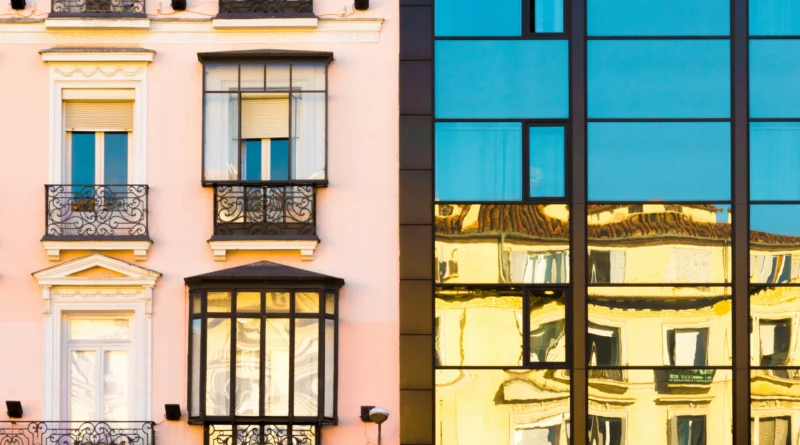
A building façade is more than just an outer wall. It shows the structure’s character. Plus, it serves as a key link between inside comfort and outside conditions. In today’s green architecture, façades help with saving energy, managing daylight, and fitting into city settings. When you look at various façade examples in different weather and styles, you see how choices in materials, shapes, and tech work together. They create strong looks and support lasting designs. Honestly, it’s fascinating how these parts come alive in real buildings, like how a simple panel can change the whole feel of a street.
The Role of Aesthetic Expression
The façade is the building’s front face to the world. It shares the design idea through balance, feel, and flow. For example, glass curtain walls on office towers stand for openness and forward thinking. Meanwhile, punched metal screens on arts buildings make shifting light effects all day. Each case shows a chat between shape and purpose. Here, good looks help with how things work, not fight against it. In my view from seeing projects up close, this mix often surprises visitors who expect cold modern stuff.
Functional Performance in Design
A strong façade handles heat protection, fresh air flow, sound blocking, and sun blocking. Take double-skin façades. They use two glass layers with an air space in between. This setup controls heat movement. So, it cuts down on power used for cooling or warming. At the same time, it keeps a clear view to the outside. Architects add moving louvers or shade fins. These let them adjust to weather needs. Such features make daily life inside smoother, especially in hot spots where AC runs nonstop otherwise.
Integration with Urban Context
A smart façade connects with its area. Shiny glass can copy city views. Green walls make tough city lines softer. Terracotta panels bring back local ways. In busy places like Singapore or Milan, vertical gardens are popular façade examples. They blend nature aims with building stories. Think about a Milan street—those green towers not only look fresh but also cool the air a bit on sticky summer days.
How Do Sustainable Facades Contribute to Green Architecture?
Sustainable façades sit at the heart of green architecture. They link outside weather to inside spaces without too many machines. Picture them as breathing covers. They adjust to sun paths, wind ways, and time-of-year changes. This approach feels natural, almost like the building is part of the landscape.
Energy Efficiency Through Material Selection
Picking materials with low built-in carbon is key. Reused aluminum covers or wood panels from safe sources lower harm during building. Top glass with low-heat coatings cuts sun heat while letting in lots of day light. Studies show this can drop fake light use by up to 40 percent (U.S. Department of Energy, 2023). In practice, offices with these setups often see bills drop noticeably after a year or two.
Passive Design Strategies
Passive façades use nature’s help instead of powered tools. Shading parts aimed by sun paths stop too much heat in warm times. Yet they let sun in during cool months. Air spaces behind cover panels boost air movement. They pull out stuck warmth. This basic idea has worked in warm areas like the Mediterranean for ages. It’s simple, reliable, and costs little to keep going.
Integration of Renewable Technologies
Today’s façades often add green power tools like solar panels or heat gatherers. Building-integrated photovoltaics (BIPV) turn façades into power makers. They do this without hurting the look. This double job fits green rules well: it saves power and keeps style. From what I’ve noted in field visits, these setups shine in sunny spots, generating enough juice to cover a chunk of daily needs.
Why Are Adaptive Facades Becoming More Common?
As structures get cleverer, adaptive façades rise to meet shifting weather and user wants. These setups change on their own. They might open air holes when heat builds or switch clearness based on bright sun. It’s like the building wakes up to its surroundings, which is pretty cool for long-term living.
Responsive Materials
Certain façades use heat-store materials that hold or let go of warmth by outside temp. Others use electric-change glass. It shifts color with power to handle bright light and private space right away. These picks make adjustments quick and easy, cutting down on daily tweaks.
Sensor-Based Control Systems
Smart façades link with sensors that check heat, wet air, light amounts, or air gas levels. Tied to building control setups (BMS), they move shade parts or air openings by themselves. This brings best comfort without people stepping in. In busy work spots, this means fewer complaints about stuffy rooms or glare.
Benefits for Occupant Comfort
Adaptive façades save power. They also boost health by keeping inside steady and views open to day light. These are big for work output in office places (World Green Building Council Report, 2022). Workers often say they feel more alert with natural light flowing in steadily.
How Do Traditional Materials Influence Contemporary Facade Examples?
Old materials such as stone, brick, or wood still shape new façade designs. They offer lasting strength and local flavor. Tech gives them fresh spins. This blend keeps things grounded yet new, which appeals to folks who like history in their cities.
Brickwork Innovation
Shape-based modeling lets builders twist brick setups on computers. This makes holey screens that let light through nicely. They also keep air moving. You see this in spots like the Casa Brickell Pavilion in Spain. There, the pattern plays with shadows in ways that draw eyes from afar.
Timber as a Sustainable Choice
Built wood items like cross-laminated timber (CLT) give steel-like power but with less carbon harm. Wood covers grow nice with age. They add a cozy feel that fake stuff rarely matches. In rainy climates, they hold up well without much upkeep.
Stone and Terracotta Revival
Real stone stays liked for its endless charm and heat-hold traits that steady inside temps. Terracotta rain covers give close perks. But they weigh less and fit easier. They’re great for old building updates aiming for green changes. A quick swap can turn a dated wall into something fresh and eco-smart.
What Are Some Notable Global Facade Examples?
Looking at world façade examples shows how varied weather shapes building answers. All stick to green targets. These cases pull from real spots, highlighting what works where.
Bosco Verticale in Milan
This home tower weaves in over 900 trees to its façade setup. It cleans air and fights city heat rises. It’s a top pick for nature-linked design, noted by the Council on Tall Buildings (2015). Residents there enjoy cooler flats and bird sounds, which beats plain concrete towers.
The Edge in Amsterdam
Called one of the greenest office spots (BREEAM Outstanding rating), The Edge has wise façade panels. They shift blinds by sun alone. Plus, they catch rain water for simple uses. The whole place hums with efficiency, and tours there show how small tech tweaks add up big.
Al Bahar Towers in Abu Dhabi
These towers use a old-style moving façade with over 1,000 shade units like umbrellas. They open or shut by sun hit. This cuts bright light by almost 50 percent. It keeps cultural roots too. In the desert heat, this setup makes inside life bearable without constant AC blasts.
How Do Regulatory Standards Affect Facade Design?
Façade work follows tight rules on safety, power use, fire block, and reach-for-all needs in areas. These guides keep things safe and fair, though they can slow down wild ideas sometimes.
Energy Codes Compliance
Nations take on power rules like ASHRAE 90.1 (U.S.) or EN ISO 13790 (EU). They call for set heat-pass rates for wall parts to cut warmth flow through façades. Meeting these often means testing prototypes early, which adds time but pays off in lower bills.
Fire Safety Requirements
After events like Grenfell, rules got stricter on burnable cover materials everywhere. Builders pick checked non-burn parts tested by ways like ASTM E84 or BS 8414. This shift pushed many to safer choices, even if costs rose a tad at first.
Accessibility Considerations
Rules also ask for reachable window spots or moving parts that include everyone. This grows as a main point in green plans. They stress fair treatment with nature care. In public buildings, this means steps like lower handles that make a real difference for varied users.
FAQ
Q1: What Is the Main Purpose of a Building Façade?
A: It gives style looks and guards against weather. It also helps with warmth comfort inside structures.
Q2: How Can Façades Improve Energy Efficiency?
A: They use guarded materials, sun blocks, and wise glass tools. These drop needs for heat or cool power a lot.
Q3: What Makes Green Façades Environmentally Friendly?
A: They add plants or green-power links. These take in bad air, clean dirt, and make clean energy all at once.
Q4: Are Adaptive Façades Expensive to Maintain?
A: Upfront prices might run high from tricky setups. But savings from less power use pay back in a few years of running.
Q5: Which Materials Are Best for Sustainable Façade Construction?
A: Reused metals, built wood, terracotta covers, and strong glass count as green picks. They mix lasting use with small carbon marks.