
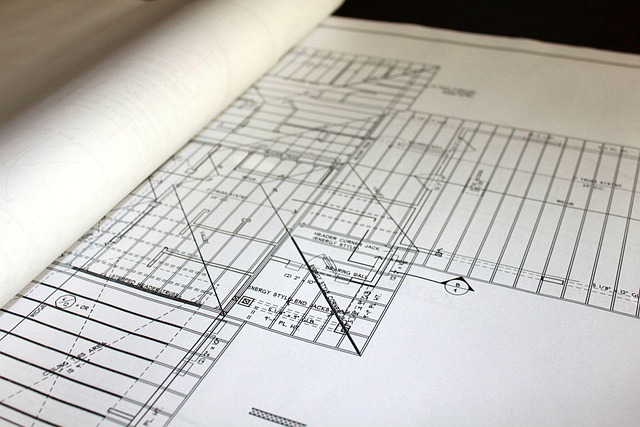
What Do House Plans Barndominium Reveal About Modern Hybrid Living
What Is a Barndominium
A barndominium is a hybrid architectural concept that merges the practicality of a barn with the comfort of a modern home. It is designed for flexibility, cost efficiency, and durability, often featuring steel frames and open layouts. This building type has moved beyond its agricultural roots to become a symbol of adaptive living, combining rustic aesthetics with contemporary function. In professional architecture circles, house plans barndominium are now studied as models of efficient spatial planning and sustainable construction.
Understanding the Concept of Barndominiums
The term “barndominium” reflects an evolution in architectural thinking that values adaptability and resource efficiency. It bridges two worlds—agricultural utility and residential sophistication—creating structures that are both functional and expressive.
Defining the Barndominium in Modern Architecture
A barndominium combines the structural form of a barn with the functionality of a residential home. The design emphasizes open layouts, flexible spaces, and cost-efficient construction. Steel framing and metal siding are common features that distinguish barndominiums from conventional homes. In practice, this combination allows for wide-span interiors without load-bearing walls, making spatial reconfiguration easier over time.
The Evolution from Agricultural Buildings to Residential Spaces
Originally designed for agricultural storage or workshops, these structures have evolved into full-scale residences. Advances in materials and design software have enabled architects to merge rustic aesthetics with modern comfort. The transition reflects broader trends in adaptive reuse and sustainable architecture. Many rural properties now repurpose existing barns into living spaces rather than demolish them—a move consistent with circular economy principles promoted by organizations like the IEA.
Architectural Elements Revealed in House Plans Barndominium
The architectural language of house plans barndominium reveals how engineering precision meets creative design intent. These plans illustrate how modularity, material selection, and spatial organization contribute to both performance and livability.
Structural Framework and Material Selection
Steel frames provide durability, allowing for large open spans without interior load-bearing walls. Integration of energy-efficient insulation systems enhances thermal performance. Exterior finishes often blend industrial metal panels with natural materials like wood or stone for balance. Architects frequently specify pre-engineered steel systems due to their predictable load behavior and lower life-cycle costs compared to timber framing.
Interior Spatial Organization and Functionality
Open-concept living areas promote flexibility in layout and multifunctional use. High ceilings, mezzanines, and lofts maximize vertical space utilization. Floor plans often include integrated workspaces or garages, reflecting hybrid living patterns. This approach suits remote professionals who combine domestic life with on-site business operations such as studios or workshops.
Design Customization and Modularity
Modular components allow customization based on site conditions and owner preferences. Prefabricated elements reduce construction time while maintaining design integrity. Digital modeling tools enable precise visualization of interior-exterior relationships before construction begins. These tools also support compliance with regional building codes by simulating structural loads under various climate conditions.
The Intersection of Rural Aesthetics and Urban Functionality
Barndominiums challenge traditional boundaries between rural charm and urban convenience. Their design language captures simplicity while accommodating advanced technologies that define modern living standards.
Merging Rustic Design with Contemporary Comforts
Exposed beams, polished concrete floors, and minimalist interiors create a blend of rural authenticity and modern luxury. Smart home technology integrates seamlessly into the industrial framework without disrupting aesthetic coherence. Natural light optimization through large windows enhances spatial quality and energy efficiency. In some designs, clerestory windows are used to maintain privacy while admitting daylight deep into the structure.
Adapting Barndominiums to Diverse Environments
Designs can be tailored for suburban developments as well as remote rural settings. Climate-responsive planning ensures adaptability across different geographical regions. Integration with landscape architecture reinforces harmony between built form and natural surroundings. For instance, passive solar orientation can significantly reduce heating loads in cold climates while shading devices improve comfort in hot zones.
Economic and Environmental Implications of Barndominium Plans
Beyond aesthetics, house plans barndominium reflect economic pragmatism and ecological responsibility—two pillars increasingly valued by developers seeking resilient housing models.
Cost Efficiency and Construction Dynamics
Simplified structural systems reduce labor costs compared to traditional housing methods. The use of prefabricated steel components accelerates project timelines. Long-term maintenance costs are minimized due to material durability and low upkeep requirements. Contractors often report savings of up to 20 percent relative to conventional stick-built homes due to reduced framing complexity.
Sustainability Considerations in Hybrid Living Models
Recyclable materials contribute to reduced environmental impact during construction. Energy-efficient designs lower operational carbon footprints over the building’s lifecycle. Water management systems such as rainwater harvesting align with eco-conscious living practices. These sustainability features resonate with ISO 14001 environmental management standards emphasizing continuous performance improvement.
Cultural Significance and Lifestyle Shifts Reflected in Barndominium Designs
Barndominiums do more than redefine architecture—they reshape cultural attitudes toward space, work, and identity in an era where boundaries between personal life and productivity blur.
Redefining Domestic Space in Contemporary Society
Barndominiums represent a shift toward multifunctional residential typologies that accommodate work-life integration. The open-plan concept supports communal living while preserving privacy through zoning strategies. Their adaptability appeals to professionals seeking both productivity and retreat within one structure. This dual-use nature mirrors post-pandemic housing trends emphasizing flexible home offices.
Symbolism of Hybrid Architecture in Modern Living Trends
The fusion of industrial robustness with residential warmth mirrors changing perceptions of comfort and identity. These designs embody resilience, flexibility, and sustainability—core values in modern architectural discourse. As cultural artifacts, they signify a move toward pragmatic yet expressive forms of habitation in the 21st century.
FAQ
Q1: What makes house plans barndominium different from standard home blueprints?
A: They emphasize open spans supported by steel framing rather than partitioned rooms supported by load-bearing walls.
Q2: Are barndominiums suitable for urban environments?
A: Yes, their modularity allows adaptation for urban infill projects where compact yet flexible layouts are required.
Q3: How long does it take to build a typical barndominium?
A: Prefabrication can cut total build time by nearly half compared with traditional homes depending on local permitting processes.
Q4: Do barndominiums meet conventional building codes?
A: When engineered properly using certified steel systems, they comply fully with regional codes including seismic or wind-load requirements set by standards such as ASCE 7-22.
Q5: Can barndominiums be energy self-sufficient?
A: Yes; integrating solar panels, high-performance insulation, and passive ventilation strategies can achieve near-zero energy consumption levels when designed holistically from inception.