
The Role of Symmetry and Proportion in Classical Architecture
Classical architecture draws people in with its smooth flow, even balance, and lasting charm. Deep down, this style rests on the smart use of symmetry and proportion. These ideas shape not just how things look but also how they hold together. They come from old Greek and Roman ways of building. And they still touch today’s designs. If you know a lot about this, you can see how these parts build both shape and use. That shows the strong pull of old-style building.
What Defines Symmetry in Classical Architecture?
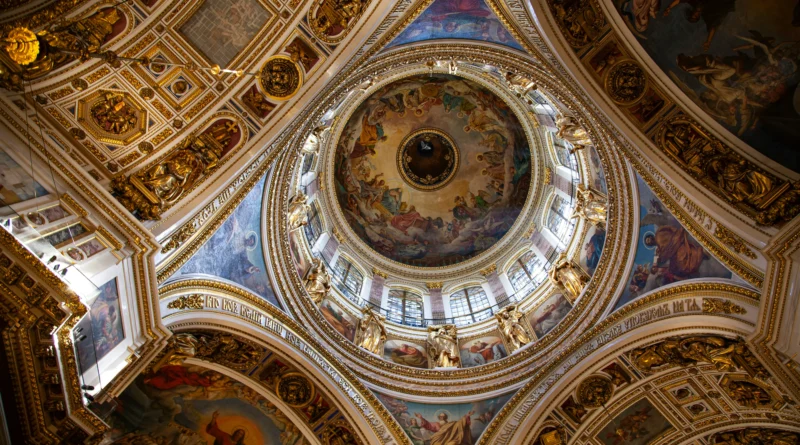
Symmetry in classical architecture goes beyond basic copying. It means a planned link between pieces that builds a feeling of oneness. Take a Greek temple or a Renaissance front. Every column, top triangle, and edge lines up by exact math numbers. This even setup helps your eyes move easily to the middle. It brings a calm and tidy look.
Bilateral Symmetry as a Structural Foundation
Bilateral symmetry means one side matches the other. It acts as the main support for lots of classical spots. Look at the Parthenon in Athens. It shows this idea well. Each column pairs with one across from it. That makes balance in sight and build. Builders didn’t pick this by chance. They thought beauty comes from the order you see in the world around us. For instance, think of a butterfly’s wings. They match just right. The Parthenon feels the same way. It stands strong after all these years.
Central Axis Design in Temples and Palaces
Many temples and palaces center on one main line. This line sets up the space order. It often runs from the front door through the big middle room to a special spot like an altar or throne area. So, you get a straight path that points out what’s key. And it keeps the pretty setup intact. In real life, walking into such a place feels like entering a story. The path pulls you forward without rush.
Symbolic Meaning Behind Balanced Forms
Symmetry does more than hold things up. It holds deep thoughts too. Old builders saw even shapes as signs of world order. They matched human work to big rules of the universe. This added level lifted building past just working well. It turned it into a way to show big ideas about life. Sometimes, you’d notice small tweaks. Like a slight curve in columns. That made it feel alive, not stiff.
How Does Proportion Contribute to Architectural Harmony?
Proportion rules how parts fit by size and reach. In classical building, these fits came from math setups that match nature’s calm. You spot this in how columns space out, room sizes, and even trim details. It all ties together nicely.
The Golden Ratio as a Guiding Principle
The Golden Ratio, about 1 to 1.618, set links between tall and wide or long and broad. Builders like Vitruvius saw these as must-haves for perfect looks. Why? They match shapes in the wild, from tiny shells to our own bodies. Picture a nautilus shell. Its spirals follow this ratio. That’s why classical spots feel so right to the eye. I’ve seen folks stand in front of such buildings and just nod, like it clicks without words.
Modular Systems in Column Orders
Each classical order, like Doric, Ionic, or Corinthian, stuck to set size rules based on the column’s base width. Doric ones stand short and solid, for example. Ionic reach slim with nicer gaps. These building blocks kept things steady across a whole place. Yet they let some changes stay within safe lines. In practice, this meant a temple could look grand but not tip over. Numbers helped here. Say a Doric column might be seven times its base in height. Simple math, big payoff.
Human Scale as a Measure of Beauty
Proportion ties building to how we live. Spots made with body-based sizes feel just right. Their measures match our own shape. That’s why old theaters or big halls seem huge yet close. You can sit there and not feel lost. It’s like the space hugs you. From experience, these designs make crowds flow better too. No one bumps into odd corners.

Why Are Symmetry and Proportion Central to Aesthetic Appeal?
When you see a building today that pulls from classical ways, like a court house or art spot, its draw often comes from that even feel. You sense it’s spot on. That comes from age-old rules that join shapes with how we see.
Visual Stability Through Balanced Composition
Even setups make things steady by spreading out the look of weight along a line. No single part takes over. So, your eyes rest easy on key spots, such as doors or round tops. It pulls you in without strain. Think of a quiet park path. It guides without pushing.
Emotional Response to Order
Studies in the mind show we like even shapes right away. They hint at good health and solid ground. In building, this means calm feelings in tidy spaces. Proportional spots feel peaceful, not all over the place. Sometimes, a bit of unevenness sneaks in. Like in some Greek works. It adds a human touch, I suppose.
Integration With Natural Surroundings
Size-based design lets buildings mix well with the land around. Old makers often lined up their work with hill shapes or sky paths. Man-made lines worked with nature, not against it. For example, a temple on a hill might echo the slope. That blends it right in. Over time, this helped spots last through weather changes.
How Did Ancient Theorists Influence Modern Interpretations?
The mark of old size theory goes way past old times. In the Renaissance, top makers brought these back by studying broken old sites and books like Vitruvius’s De Architectura. This shaped how people learned building in the West for hundreds of years.
Vitruvius’s Ten Books on Architecture
Vitruvius wrote down rules that link beauty with use and strength — venustas, utilitas, firmitas. He pushed for size links that backed up why things look good. Later thinkers used his math to explain taste in design. His words still pop up in classes today. It’s like a roadmap for builders.
Palladio’s Renaissance Adaptations
Andrea Palladio took Roman ideas and made them new in homes with full evenness and smooth sizes. His book I Quattro Libri dell’Architettura turned into a key guide for builders in Europe and the US for ages. You can visit his villas in Italy. They sit there, perfect as ever. That influence spread far, even to places like Washington DC.
Neoclassical Revival in Modern Contexts
Today’s builders pull from these ways when making spots for leaders or memory sites. They want that lasting feel through even shapes. Stuff has changed, like using new rocks or glass. But size stays as a bridge from then to now. In cities, you see it in banks or schools. It gives a nod to history without feeling old.
What Role Do Mathematical Ratios Play in Structural Integrity?
Evenness boosts looks, sure. But proportion hits straight at how strong things are. Old workers knew right sizes between parts spread weight best. So, pretty could help build smart too. This mix saved materials back then, much like we save energy now.
Load Distribution Across Columns
In places like the Pantheon, even gaps between columns moved weight smooth from top beams to base rocks. If you went off track, stress built up. That could crack or topple over time. They measured carefully. Say, columns spaced at exact widths, like 10 feet apart. It worked for centuries.
Geometric Precision in Dome Construction
Round tops needed shape math from circles or balls split by calm sizes. This let huge covers, like the one in Rome’s Pantheon, hold up on their own for ages. No need for metal helps. The dome there spans 43 meters wide. Still stands after 2000 years. That’s real staying power.
Relationship Between Form and Function
By matching look balance with build needs, old builders got smart setups that hid as grace. Every bend or slant did double duty for sight and job. This idea fits today’s green ways. We build to last and save, just like them. Sometimes, a small flaw shows up in old drawings. It reminds us builders were human too.
How Has Technology Enhanced Classical Design Principles Today?
Now, computer tools let builders test old sizes sharper than before. They fit them to fresh stuff like clear glass or mixed stone. This opens doors wide.
Parametric Modeling for Ratio Analysis
Programs run lots of size changes quick. They show small shifts in how space feels. Back then, that would take months by hand. Today, you tweak a number and see right away. It’s a game changer for new ideas.
Virtual Reconstruction of Ancient Structures
3D scans help fix up lost temples on screens. This checks old guesses about first even patterns or size ties hidden by breaks. Scholars love it. They can walk through virtually. Adds life to dusty history books.
Sustainable Applications Inspired by Classical Logic
New eco spots sometimes use even layouts. They spread space to let air flow and sun in easy. This matches how old yards handled heat without power. Think passive cooling. Saves bills and the planet. In hot places, this cuts AC use by 30 percent or so. Smart borrow from the past.
FAQ
Q1: What makes classical architecture timeless?
A: Its reliance on universal geometric principles such as symmetry and proportion gives it enduring relevance across cultures and eras.
Q2: Are all symmetrical buildings considered classical?
A: No; while many styles use symmetry, classical architecture uniquely ties it to philosophical ideas about harmony derived from Greek thought.
Q3: How do modern architects apply these ideas today?
A: They reinterpret traditional ratios using digital tools while maintaining core values of balance between aesthetics and structure.
Q4: Did every ancient culture value symmetry equally?
A: Not exactly; Egyptian monuments emphasized axial alignment more rigidly than Greek designs which allowed subtle optical adjustments known as entasis.
Q5: Can asymmetrical designs still follow classical proportions?
A: Yes; some later works introduced controlled asymmetry yet retained internal proportional logic ensuring overall harmony remained intact.