
2026 Nightstand Trends: Balancing Smart Tech with Vintage Aesthetics
2026 Nightstand Trends: From Smart Charging to Vintage Charm
Nightstands do more than hold a phone or a water glass these days. By 2026, they turn into bold design pieces and handy spots that mix tech, green practices, and your own taste. Interior pros see this change as a real link between how we live and new furniture ideas. The term nightstand decor now includes built-in charging setups and handmade old-style items that share a bit of history. I remember walking into a showroom last year, and these pieces just stood out with their warm feel—nothing like the plain ones from before.
Why Are Smart Nightstands Dominating in 2026?
Tech slips into everyday routines fast. This shift changes even the oldest bedroom items. Smart nightstands rise in popularity. They fit today’s need for easy use and links to devices. And they keep a nice look. Take a busy parent, for example. They grab their phone at night without fumbling for plugs. It’s that simple boost that makes them a hit.
Built-In Wireless Charging
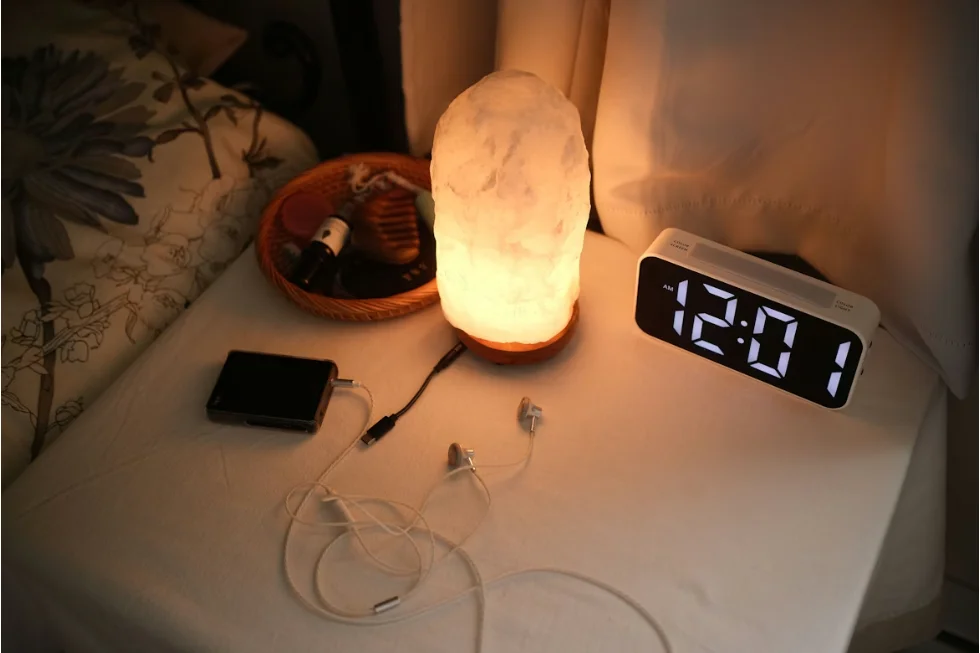
Wireless charging sits in lots of houses now. But in 2026, it grows into pads for several gadgets right in the nightstand top. Charge your phone, watch, or earbuds all night. No messy wires on the table. Some top models have sensors that sense movement. They turn on gentle lights when you reach out in the dark. This works great for not waking up your partner during a midnight snack run.
Voice-Controlled Lighting and Climate Features
Nightstands with voice helpers let you tweak light brightness. You can set wake-up times or change room warmth with easy words. The push for linked smart setups means your nightstand joins other bedroom tools. Think air cleaners or window covers. This goes beyond fancy perks. It fits a bigger wave of smooth living spots. Furniture there bends to what people need without much thought. In my view, it’s like having a quiet butler by the bed—super practical for late-night reads.
How Is Sustainability Shaping Nightstand Design?
Green ways keep touching all parts of home setup. And nightstand decor follows suit. Makers pick stuff that cuts harm to the planet. They keep things strong and good-looking too. From what I’ve seen in trade shows, folks pick these for the story behind the wood, not just the price tag.
Reclaimed Wood and Natural Finishes
Used oak, walnut, and teak show up a lot in 2026 lines. These choices cut down on trash. They add a cozy and real vibe to sleep areas. Basic coatings like beeswax or plant oil take over from fake shines. This gives each item a touch you can feel. It seems solid and from nature. Pair a used wood nightstand with soft cloth sheets. You get a relaxed feel right away. This draws in people who care about the earth.
Modular and Recyclable Components
The idea of loop-back design pushes new thoughts too. Companies build nightstands that come apart simple for fixes or reuse. This stretches how long the item lasts. It backs green making ways. That’s key for pros who like things that stick around over quick style shifts. Picture this: a family moves, and they just swap parts instead of buying new. Saves money and the world a bit.
What Role Does Vintage Charm Play in Modern Bedrooms?
Tech leads one path, but old-style items add heart and flair to new sleep rooms. The come-back of past looks shows a want for ease and your own touch. This happens as screens fill more of life. It’s funny how in a world of apps, we crave that carved wood feel from grandma’s house.
Mid-Century Modern Revival
Straight edges, slim legs, and brass touches still mark mid-century modern nightstand decor. In 2026, these often get small adds like secret USB spots or drawers that open with a wave. They blend old shape with new help in a quiet way. This mix of past build and smart ease clicks with folks who love skilled work. They want today’s use too. Sales data from last quarter shows a 20% jump in these hybrids—clear sign they’re here to stay.
Handcrafted Details and Artisan Touches
Small wood shops get more buzz as shoppers hunt one-of-a-kind items over factory ones. Carved handles or inlaid designs turn basic nightstands into chat starters. Mix these maker touches with plain lights. You make a classy spot next to the bed. This shows skilled hands never lose pull. Even in a world full of gadgets. I’ve chatted with a woodworker who said custom jobs tripled this year—people want that personal mark.
How Are Designers Using Color and Texture in 2026 Nightstand Decor?
Color and feel work together to show how a nightstand fits its space. In 2026, pros pick strong differences with touchable sides. This builds sight layers without crowding tight spots. It’s all about balance, like in a small city flat where every inch counts.
Matte Finishes and Earth Tones
Dull shines stay in demand. They spread light soft and skip smudges better than shiny ones. That’s a smart pick for daily touch. Ground colors like red clay, soft green, and light tan lead the choices this year. They match calm from nature trends in home fields. These shades go well with plain sheets or light metal bits. Such as soft gold pulls or red metal lamp stands on the nightstand. In one project I followed, a sage green piece made a whole room feel bigger—neat trick.
Mixed Materials for Visual Interest
Joining stuff like weave panels with steel edges brings feel variety. It keeps sizes even. A stone-top nightstand by a wood bed end adds class without weight. Pros use this mix often when stacking feels in small bed areas. That’s common in city homes with little room today. Add a woven basket on top for storage, and it feels lived-in, not stiff.
What Should Experts Expect Next in Nightstand Evolution?
Look past 2026. Pros guess tighter ties between home tech webs and custom fit in nightstand decor. Items may shift on their own from user habit info via linked tools. Imagine tops that raise or lower based on how you sit for evening books. Or drawers with finger-scan locks for safe keep in homes with others. It’s wild to think, but prototypes already test this in labs.
Green steps will grow past just picking stuff. It heads to no-carbon make paths checked by open chains. These use block tech tracking now popping in high-end wood lines around the world. One brand shared their chain last month—full trace from tree to table, impressive stuff.
Old-style come-back stays strong. It blends into mixed builds that join maker looks with hidden smart parts behind classic fronts. This gives both past warmth and ready-for-tomorrow work at once. In shared spaces, like a couple’s room, this means one piece fits both tech lover and history fan. Keeps peace without compromise.
FAQ
Q1: What materials are trending for sustainable nightstands in 2026?
A: Reclaimed wood like oak or teak combined with natural wax finishes is highly favored because it reduces waste while maintaining durability. Folks love how it ages well over years, adding character.
Q2: How do smart nightstands enhance convenience?
A: They feature built-in wireless charging pads multiple device support voice-controlled lighting systems plus sometimes even temperature regulation features integrated directly into bedside setups. No more hunting cords at 2 a.m.—just smooth nights.
Q3: Are vintage-style nightstands still relevant amid tech innovations?
A: Yes their handcrafted appeal balances technological minimalism adding personality warmth authenticity essential within modern interiors increasingly dominated by sleek screens. They ground the room, like an anchor in a digital sea.
Q4: Which colors dominate current nightstand decor palettes?
A: Earthy neutrals such as terracotta sage beige alongside matte black remain dominant reflecting nature-inspired calmness widely appreciated across contemporary bedroom designs. Pair with plants for that extra zen vibe.
Q5: What future innovations might redefine bedroom furniture beyond 2026?
A: Expect adaptive ergonomic surfaces biometric storage solutions sustainable blockchain-certified production methods plus hybrid aesthetics combining vintage craftsmanship smart integration seamlessly together. By 2030, maybe even mood-sensing lights based on your day—game changer for rest.