
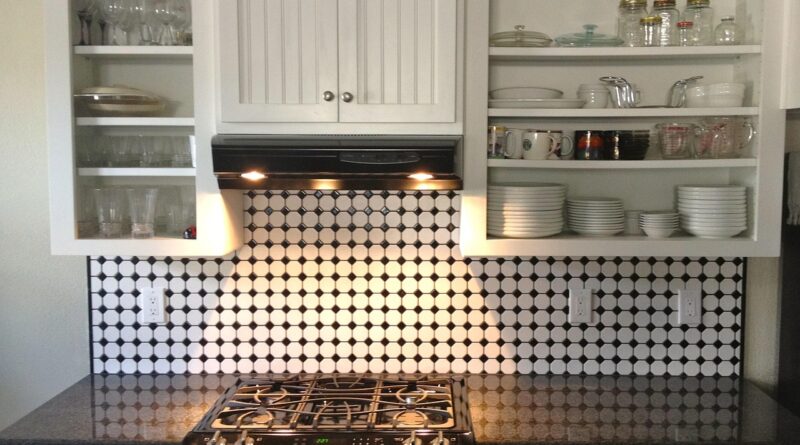
Above cabinet decor ideas that make kitchen gaps look intentional
Start by deciding whether the gap should be decorated
Above cabinet decor works best when the space over the cabinets reads as a deliberate display area, not as overflow storage. In most kitchens, the strongest approach is also the simplest: decorate only when the gap has enough height, visibility, and breathing room for a few larger pieces. If the space is narrow, greasy, difficult to reach, or already visually busy, leaving it empty or closing it with trim, a soffit, or cabinet extensions may look cleaner. The goal is not to fill every inch. It is to make the upper wall feel finished while keeping the kitchen practical to clean and use.
Many older and builder-grade kitchens have a gap between the top of the wall cabinets and the ceiling. In some homes, that gap is only a few inches. In others, high ceilings create a broad open shelf. The same decorating advice does not fit both conditions. A shallow gap often looks better with paint, crown molding, or a clean architectural finish. A taller gap can support baskets, ceramics, framed art, trailing greenery, or a carefully edited collection.
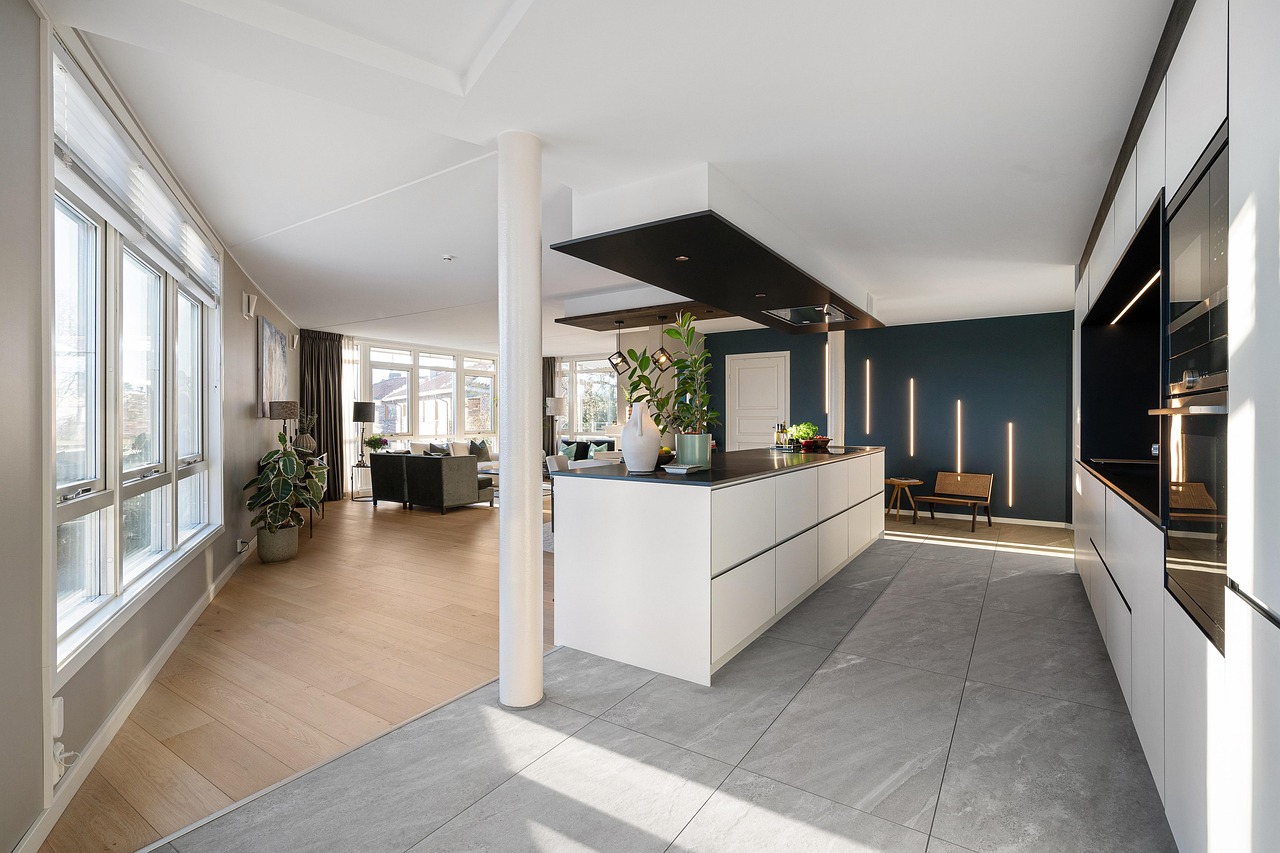
Before buying anything, check three conditions: the height of the gap, the distance from the cooking zone, and the style of the kitchen below. If the cabinets are close to a range hood, open flames, or frequent steam, decorative pieces should be minimal, stable, and easy to wipe. If the kitchen already has strong backsplash tile, pendant lighting, open shelving, or colorful cabinets, restraint will usually make the room feel calmer.
A practical framework for choosing above cabinet decor
The simplest way to avoid clutter is to treat the top of the cabinets as part of the architecture. Think in terms of scale, rhythm, material, and maintenance rather than individual objects. A few tall pieces usually read better from floor level than many small items. Repetition helps, but perfect symmetry is not required. The display should connect to the kitchen through color, texture, or shape.
| Cabinet gap condition | Best treatment | What to avoid |
|---|---|---|
| Less than 8 inches high | Leave it open, paint it to match the wall, or add trim | Tiny objects, faux vines, or crowded signs |
| 8 to 14 inches high | Low baskets, shallow trays, horizontal art, or a simple row of matching vessels | Tall pieces that almost touch the ceiling |
| 15 inches or more | Grouped ceramics, framed art, sculptural objects, lidded baskets, or seasonal arrangements | Random storage boxes or many unrelated items |
| Near the range or hood | Washable, stable items placed away from heat and steam | Loose paper, fabric-heavy decor, dried florals, or lightweight objects near airflow |
| Very high ceiling | Larger-scale pieces, layered art, beams, lighting, or architectural extensions | Small accessories that disappear from view |
As a rule of thumb, let negative space do some of the work. A gap filled from end to end can make upper cabinets feel heavier. Breaks between groups allow the eye to move across the room and prevent the display from becoming a visual border.
Above cabinet decor ideas that feel current without looking forced
Use fewer, larger pieces
Large vessels, stoneware jars, oversized bowls, and sculptural baskets are among the most reliable choices for above cabinet decor. They are visible from across the kitchen and can add warmth to a plain cabinet run. Choose two to five pieces in related tones instead of lining up small accessories. For example, a white kitchen can handle warm wood bowls, tan ceramic vessels, or black metal accents. A wood kitchen may look better with matte white ceramics, pale stone, or muted green glass.
Bring in baskets for texture and hidden storage
Baskets are useful because they add texture while hiding light seasonal items such as napkins, paper party goods, or rarely used linens. Lidded baskets are usually better than open baskets because they limit dust and keep the display tidy. If the baskets are visible from the main living area, choose a consistent material and shape. A mismatched row can quickly make the kitchen look like a temporary storage area.
Lean framed art instead of hanging it
Framed art can make the cabinet gap feel like a curated shelf. Leaning art against the wall also avoids adding new holes above cabinetry, which can be difficult to patch cleanly. Food illustrations, landscape prints, black-and-white photography, vintage kitchen charts, or abstract pieces can work if their colors relate to the room. Use acrylic or glass only where it can be cleaned safely, and avoid placing valuable art where steam, grease, or heat may damage it.
Add greenery carefully
Greenery softens hard cabinet lines, but it can also collect dust. If you use live plants above cabinets, choose hardy varieties only when there is enough light and safe access for watering. In many kitchens, realistic faux stems in one oversized vessel are more practical than a row of small potted plants. Avoid long artificial vines that run across the entire cabinet top; they often emphasize the gap instead of making it feel designed.
Create a controlled collection
A collection can work well above cabinets when it has a clear theme. Copper pots, white pitchers, vintage cutting boards, blue-and-white ceramics, or black pottery can create a strong visual line. The key is editing. Display the best pieces and store the rest. A controlled collection should look intentional even when viewed from a distance.
Use soft lighting if the wiring and placement make sense
Concealed uplighting can make a tall cabinet gap feel architectural, especially in kitchens with high ceilings. It works best when the light source is hidden and the color temperature matches the rest of the room. Exposed cords, visible plug strips, or bright color-changing lights can make the area feel unfinished. If electrical work is required, it should be handled safely and in line with local requirements.
Close the gap when decor is not the best answer
Sometimes the most polished above-cabinet solution is not decor at all. Crown molding, a simple fascia panel, a soffit, stacked cabinet boxes, or a short row of display cabinets can make the kitchen feel built in. This is especially useful when the gap is too shallow for meaningful decor or when the kitchen has a modern, streamlined style. Closing the gap can also reduce dust collection, although it usually requires more effort and cost than styling.
Match the display to the kitchen style
Good above cabinet decor should support the kitchen’s existing design language. A farmhouse kitchen can handle baskets, crocks, cutting boards, and aged wood. A transitional kitchen often looks better with a balanced mix of ceramics, framed art, and simple greenery. A modern kitchen usually needs the least: one sculptural object, a row of matching vessels, or no decor at all. A traditional kitchen may suit crown molding, decorative plates, or warm-toned pottery, but the arrangement should still be edited.
Color matters as much as object type. Pull tones from cabinet hardware, countertop veining, flooring, backsplash tile, or nearby furniture. If the room has brass hardware, a few warm metallic accents can connect the upper display to the lower cabinetry. If the backsplash has blue or green undertones, a small amount of similar color above the cabinets can make the composition feel cohesive.
For open-plan homes, look beyond the kitchen. Items above cabinets are often visible from the dining or living area, so they should not compete with nearby shelves, artwork, or lighting. If the living room has clean-lined furniture and neutral textiles, a highly themed kitchen display may feel disconnected. In that case, neutral ceramics or architectural trim will age better than novelty decor.
For more interior styling topics across the home, explore the Furniture & Decor section. See also: Building Styles.
How to style the space by ceiling height
Standard 8-foot ceilings
In kitchens with standard ceilings, the cabinet gap is often small. This is where restraint matters most. If the cabinets stop just below the ceiling, avoid cramming in short accessories simply because the space exists. Painting the wall above the cabinets the same color as the surrounding wall can make the gap recede. Crown molding or a simple trim detail can also make the cabinets look more finished.
9-foot ceilings
A 9-foot ceiling often creates enough vertical space for decor without overwhelming the cabinets. Use medium-height objects and vary the silhouettes. One group might include a tall vase, a lower bowl, and a framed piece. Another section can be left open. This rhythm is more natural than placing one object on top of every cabinet door.
10-foot ceilings and taller spaces
With high ceilings, small objects can look lost. Larger art, taller vessels, beams, or display cabinets may be more effective. The upper zone should help bridge the distance between cabinetry and ceiling rather than making the cabinets look short. If the room feels echoey or overly vertical, warm materials such as wood, woven baskets, and matte ceramics can add visual weight without making the kitchen feel heavy.
Practical limits to consider before decorating
The top of kitchen cabinets is not the same as a living room shelf. Cooking creates moisture, grease, and airborne residue, especially near the range. Any object placed above cabinets will need occasional cleaning. Smooth ceramics, metal, glass, sealed wood, and lidded baskets are easier to maintain than unfinished wicker, delicate paper, or fabric-heavy decorations.
Weight and stability also matter. Heavy items should sit fully on the cabinet top, not near the edge. Tall objects should be stable enough to resist vibration from cabinet doors, nearby appliances, or airflow. Avoid stacking items in a way that could fall when someone reaches up to clean. If you need a step stool to access the area, keep the arrangement simple enough to remove and replace safely.
Be cautious around heat sources. The space near a range hood, cooktop, or wall oven should stay cleaner and more open than a decorative zone above a pantry cabinet or refrigerator surround. Lightweight seasonal decorations, dried branches, paper signs, and loose textiles are poor choices near cooking areas. Even when an item is not directly above a burner, heat, steam, and grease can shorten its life.
Cleaning frequency depends on how often the kitchen is used, how much frying or high-heat cooking happens, and whether the range hood vents effectively. A practical habit is to inspect the cabinet tops monthly and do a deeper wipe-down seasonally. If the decor is too difficult to clean, it is probably too complicated for the location.
Common mistakes that make above cabinet decor look dated
- Using too many small items. Tiny objects are hard to read from below and often create a cluttered silhouette.
- Decorating every inch. A full row of objects can make the kitchen feel shorter and busier.
- Ignoring scale. Very small pieces disappear in a high-ceiling kitchen, while oversized objects can crowd a low gap.
- Choosing signs as filler. Word signs can work in limited cases, but generic phrases often date faster than art, pottery, or natural materials.
- Using decor as visible storage. The top of cabinets should not become a place for random appliances, plastic bins, or rarely used clutter.
- Forgetting the backsplash and hood. If those elements are already strong, above-cabinet decor should be quieter.
- Placing delicate items near grease and steam. Kitchen residue can damage paper, fabric, dried flowers, and porous materials.
The most successful displays usually have one clear idea. That idea might be warmth, storage, art, greenery, or architectural completion. Problems start when the cabinet top tries to do all of those things at once.
Frequently asked questions
Is decorating above kitchen cabinets still a good idea?
Yes, if the gap is large enough and the styling is edited. The look feels most current when it uses fewer, larger pieces, natural materials, or architectural solutions. It feels dated when the space is packed with small themed objects, signs, or artificial vines.
What should I put above cabinets in a small kitchen?
In a small kitchen, use restraint. One or two groups of matching baskets, a simple row of ceramics, or no decor at all may be enough. If the kitchen already feels crowded, painting the wall above the cabinets to reduce contrast can be more effective than adding objects.
How do I keep above cabinet decor from getting dusty?
Choose smooth, wipeable materials and avoid intricate textures near the cooking zone. Lidded baskets, glazed ceramics, sealed wood, and metal are easier to maintain. Keep the arrangement simple so each item can be removed for cleaning without turning the task into a project.
Should above cabinet decor match the cabinets?
It does not need to match exactly, but it should relate to the room. Pull colors from the cabinet finish, hardware, backsplash, countertop, floor, or nearby furniture. A connected palette will make the display feel planned even when the pieces are collected over time.
What is the cleanest alternative to decor above cabinets?
The cleanest alternative is to close the gap with trim, a fascia panel, a soffit, or additional cabinetry. This approach can make the kitchen look more built in and reduce dust-catching surfaces, especially in modern or minimal spaces.