

How Can a Black Furniture Living Room Look Bright, Warm, and Expensive?
A black furniture living room can look clean and well finished without feeling cold, but it does need some planning. Black sofas, cabinets, shelves, and tables have strong visual weight, so the rest of the room has to support them. Use contrast, layered lighting, natural texture, and enough open space. Public design data does not usually separate black sofas or black coffee tables into one clear category, so wider home decor studies are more useful. In the 2026 U.S. Houzz and Home Renovation Trends Study, renovating homeowners still bought rugs, pillows and throws, artwork, large furniture, small furniture, lamps, and window treatments at meaningful rates in 2025. For daily use, the point is simple: black furniture works best when the whole room is planned together, not when one dark item is bought on its own.
Can Black Furniture Make a Living Room Feel Bigger?
Yes, black furniture can make a room feel bigger, but only when the shape, light, and open space are handled properly. A black piece can sit back visually, especially when it has clean lines and stands against a lighter background. If the item is too bulky, the room can feel as if it lost two feet.
Clear Floor Lines
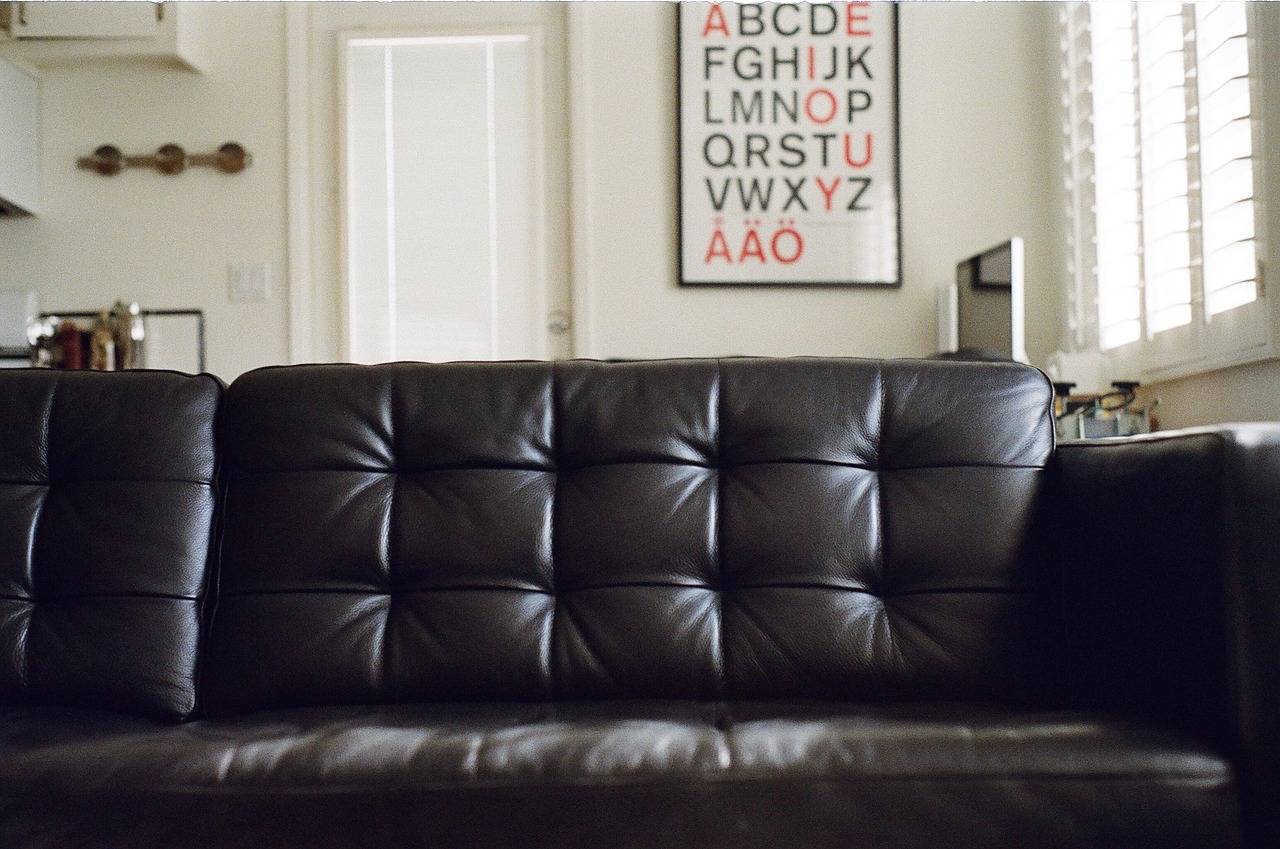
Choose raised legs, slim arms, and simple bases where you can. A black sofa on exposed legs often feels lighter than a block sofa that sits directly on the floor. The same rule works for media consoles and sideboards. When you can see a small strip of flooring below the furniture, the room keeps some air and does not feel packed.
Light Walls with Soft Contrast
Black furniture does not need white walls, but it does need contrast. Warm white, stone, pale greige, mushroom, and soft beige usually feel easier to live with than cold gray. Benjamin Moore explains Light Reflectance Value as a 0 to 100 scale, where 0 is absolute black and 100 is pure white. This matters because surfaces with very low reflectance take in more light. If the main furniture is black, use higher reflectance walls, ceilings, or floors so the room does not turn dull.
One Strong Focal Point
Give the room one main dark anchor. It could be a black sectional, a black fireplace wall, or a black built-in cabinet, but a small room usually cannot take all three. A living room with a black sofa and a black media wall can still work. It just needs a lighter rug, pale art, glass, brass, or open shelving to cut through the dark block.
What Colors Work Best with Black Living Room Furniture?
Black is easy to match, which is why it appears in modern, traditional, industrial, and organic interiors. The surrounding palette still decides whether the room feels warm and expensive or plain and flat. A useful mix is one light base, one warm natural tone, and one smaller accent color.
Warm Whites and Greige
Warm white walls make black furniture look planned instead of harsh. Greige is also a steady choice, especially in apartments or townhomes where natural light changes during the day. A black leather sofa with warm white walls, a cream rug, and walnut side tables feels much friendlier. The same sofa against blue gray walls and a cool concrete floor can feel too hard.
Wood Tones and Earth Colors
Wood is the simplest way to soften black. Oak, walnut, ash, and vintage pine add grain and warmth without making the room look busy. Earth colors also work well, including clay, olive, camel, rust, tobacco brown, and sand. Repeat the warm tone at least twice, such as a walnut coffee table and a tan pillow, so the color looks connected rather than accidental.
Muted Greens, Clay, and Brass
Black furniture looks good with muted green plants, terracotta ceramics, aged brass lamps, and clay toned textiles. Do not use every accent at full strength, because the room can quickly feel crowded. One olive throw, a rust colored print, and a brass picture light can do more than five bright objects spread around the room. A bit of restraint is often what makes a black living room feel more grown up.
How Should You Light a Black Furniture Living Room?
Lighting is often left until the end, and then the black sofa gets blamed for making the room gloomy. The American Lighting Association describes layered lighting as ambient, task, and accent light. That simple setup is useful in a living room because black surfaces need more than one ceiling fixture.
Three Light Layers
Start with ambient light for general brightness, such as a ceiling fixture, recessed lights, or a large shaded pendant. Add task light where people read, use a laptop, or play cards. Then add accent light for art, shelving, plants, or textured walls. In a black furniture living room, accent lighting is not only for decoration. It marks the edges, shows texture, and stops dark pieces from becoming one flat shadow at night.
Warm Bulbs for Night Use
For evening use, many living rooms look better with warm bulbs in the soft white range. The exact bulb depends on the shade, wall color, and daylight, so test one lamp before buying ten bulbs. A black sofa under a cool, bright bulb can look stiff. The same sofa under a warmer lamp, with light touching a woven pillow, feels much more relaxed.
Reflections on Glass and Metal
Use reflection with care. A glass coffee table, metal tray, mirror, or satin brass lamp can move light around the room, but too many shiny items may look busy. If your black furniture has a glossy finish, balance it with matte ceramics, boucle, linen, wool, or raw wood. If the furniture is matte black, one polished element can give the room enough lift.
Which Sofa, Table, and Storage Pieces Should You Choose?
The best black furniture is not always the darkest or biggest option. Scale matters more than the finish. In the 2026 U.S. Houzz and Home Renovation Trends Study, large and small furniture were each purchased by 39% of renovating homeowners who bought interior decor products in 2025. That shows furniture is still a major decor choice, but the final room depends just as much on the pieces around it.
Matte Black Sofas
A matte black or soft charcoal sofa is usually easier to live with than a shiny jet black one. Leather can look good, especially in a den or city apartment, but fabric often feels softer in a family room. If the sofa is large, choose a simple shape. If the sofa is compact, a curved back, channel tufting, or a slightly thicker arm can still work.
Slim Coffee Tables
A heavy black sofa next to a heavy black coffee table can feel too dense. Try a black metal frame with a stone top, a round wood table, a glass top, or a nesting table set. Round tables help in tight rooms because they leave better walking paths. They also save people from hitting a shin on a square corner during movie night.
Closed Storage with Texture
Black storage looks neat when the doors are clean and the hardware is quiet. Fluted fronts, cane inserts, ribbed glass, or open wood shelves can stop a cabinet from looking like a plain black box. If you have kids, pets, remotes, chargers, and the odd extra cable that seems to belong to nothing, closed storage is not a luxury. It is a practical way to keep the room in order and still make the proportions look right. See also: Building Styles.
How Do Rugs, Curtains, and Art Soften Black Furniture?
Accessories are not a last-minute detail in a dark furniture scheme. They control softness, sound, color, and balance. Houzz reported in its 2026 study that among renovating homeowners who purchased interior decor in 2025, rugs reached 48%, pillows and throws 47%, artwork 42%, lamps 35%, and window treatments 33%. These pieces around the furniture often decide whether the room feels finished.
Rugs with Mid Tone Pattern
A rug under black furniture should not look too small or too weak. Look for cream with charcoal, tan with black, faded red with brown, or ivory with olive. A mid tone pattern hides daily wear better than a plain white rug, especially near a coffee table. Let the front sofa legs sit on the rug so the seating area feels tied together.
Curtains That Lift the Eye
Hang curtains high and wide when the wall allows it. Natural linen, oatmeal, warm white, taupe, or light olive panels can soften black furniture without taking over the room. If the ceiling is low, heavy black curtains can pull the space down unless you want a dark lounge mood. That look can work, but it is not the right move for every home.
Artwork with Air Around It
Artwork can make black furniture feel collected rather than heavy. Choose pieces with light backgrounds, warm frames, or colors already used in the room. Leave some open wall around the frame. A large pale artwork above a black console gives the eye a place to rest, while small dark art on a dark wall can disappear unless the lighting is strong.
What Mistakes Make Black Furniture Look Heavy?
Most problems with black furniture come from repeating dark finishes without any relief. The room starts with a smart black sofa, then adds a black coffee table, black TV unit, black frames, black curtains, and a black rug. After a while, it looks less designed and more like everything was chosen from the same filter.
Too Many Matching Sets
Break up matching sets. If the sofa is black, use a wood coffee table. If the media console is black, try lighter side tables. If the dining area shares the same open plan, repeat black in slim chair legs or lighting, not on every large surface. Repetition should lead the eye through the space, not flatten the room.
Flat Lighting on Dark Surfaces
One ceiling light rarely works well with black furniture. It creates bright spots on the floor and leaves vertical surfaces looking dull. Add side lamps at different heights, a small lamp on shelving, or a picture light above art. This makes texture easier to see. It also makes the room more comfortable after sunset, which is when living rooms get used the most.
No Breathing Room
Leave space around black pieces. A few inches between a sofa and wall can help the layout feel less tight. Open space beside a cabinet can make it look built in rather than squeezed in. The 2025 Remodeling Impact Report from the National Association of Realtors and the National Association of the Remodeling Industry found that Realtors recommended painting the entire home before listing for 50% of sellers, and painting a single interior room for 41%. Fresh surfaces matter because they frame the furniture, and a clean wall color can make even older black furniture look planned.
FAQ
Q1: Is Black Furniture Good for a Small Living Room? A: Yes, if you choose slim shapes, raised legs, lighter walls, and layered lighting. Avoid large matching sets in small rooms.
Q2: What Wall Color Goes Best with Black Living Room Furniture? A: Warm white, greige, stone, beige, muted olive, and soft taupe usually work well. Very cool gray can make black furniture feel harsher.
Q3: How Do You Make a Black Sofa Look Cozy? A: Add a textured rug, warm wood, soft pillows, a throw, table lamps, and artwork with lighter tones. Texture is the fastest fix.
Q4: Should a Coffee Table Match Black Furniture? A: It can, but it does not have to. Wood, stone, glass, or metal often look better because they break up the dark visual weight.
Q5: What Is the Biggest Rule for a Black Furniture Living Room? A: Balance dark pieces with light, warmth, and space. Black should act as the anchor, not cover every major surface.