
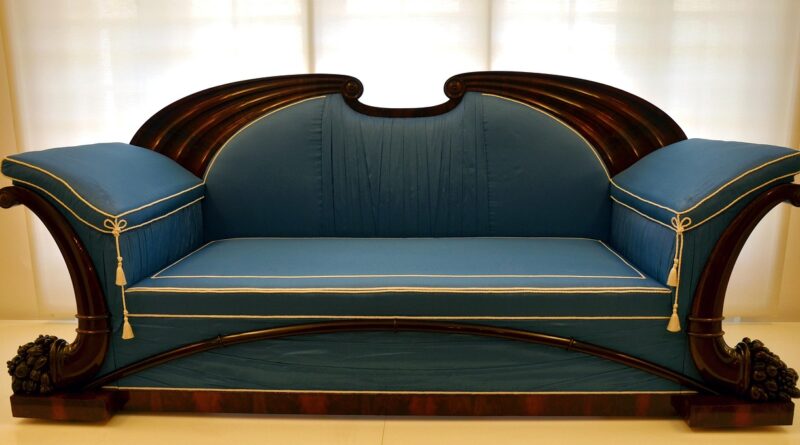
Is Vintage Mid Century Furniture Still Worth Buying for Modern Homes?
Why Does Vintage Mid Century Furniture Still Feel Current?
If you want a room to feel lived-in, useful, and not over-styled, vintage mid century furniture still fits well inside modern Furniture & Decor. The pieces usually have slim shapes, real materials, and enough character to keep a room from looking like a showroom. One well-chosen piece can shift the whole space without a full redesign.
Clean Lines That Do Not Fight Your Architecture
Mid century pieces often sit low, run wide, and leave more of the floor visible. That helps in apartments, townhouses, and open-plan homes, where heavy furniture can make a room feel tight.
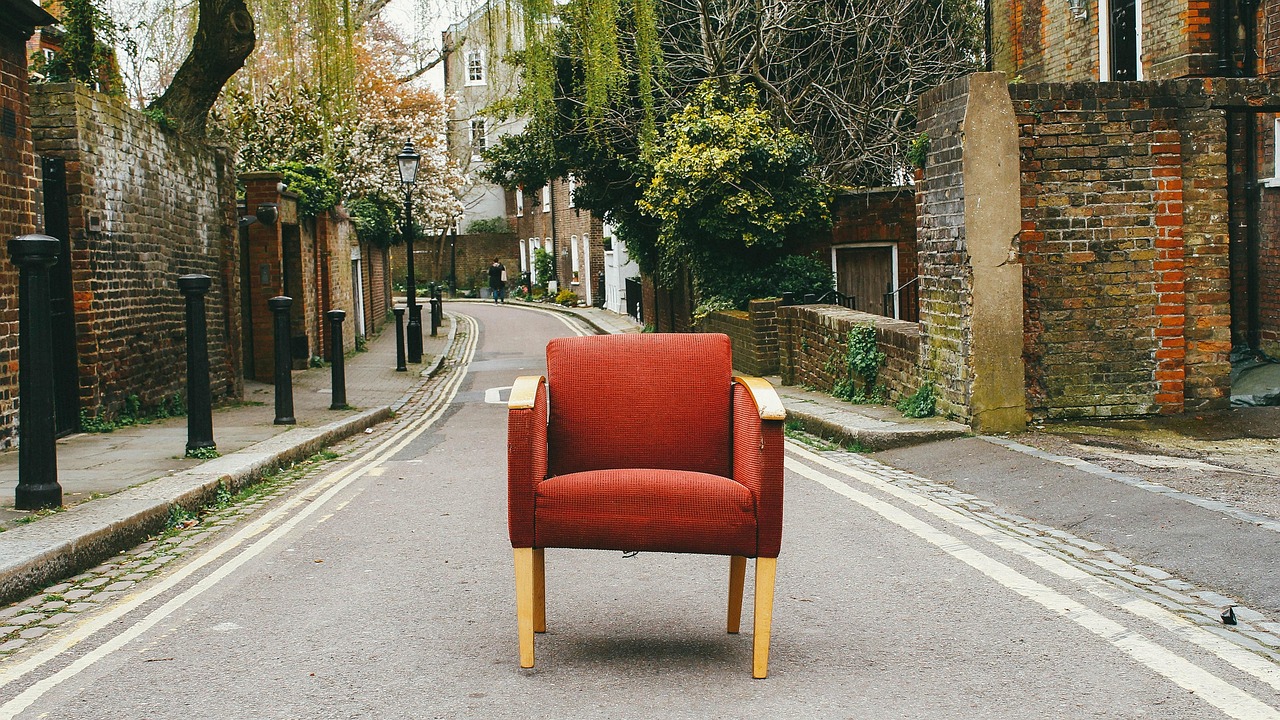
A walnut credenza on tapered legs is a good example. It gives storage, but it does not block the wall or cut off light in the way a bulky cabinet can.
Real Wood, Honest Materials, and Useful Scale
Many vintage pieces use walnut, teak, rosewood veneer, oak, molded plywood, steel, cane, or leather. Some are collectible, some are simple, and some are mainly bought because the shape and material still work.
The scale is often easier to live with than very large contemporary sofas and deep media units. A 72-inch sideboard can hold plates, games, or a router basket without turning the room into a wall of cabinetry.
A Style That Works Beyond One Room
The style moves easily from living rooms to dining corners, bedrooms, home offices, and entry halls. That is one reason designers still use it on real projects, not only in styled photos.
The 1stDibs 2026 Interior Designer Trends Survey, released in November 2025 and based on 468 design professionals worldwide, reported that 85% of designers sourced vintage pieces dated from the 1920s to 2000. The same report said vintage or antique items made up an average of 36% of sourced items in 2025. It is a trade survey, not a national census, but it still shows that vintage is part of current sourcing.
What Makes a Piece Truly Mid Century Rather than Just Retro?
Not every tapered leg means mid century. The market has plenty of new retro-style pieces, later 1970s furniture, and lower-cost reproductions using familiar lines. That is not always a problem, but the difference matters when you are checking price, age, and quality.
The Postwar Design Window
The Victoria and Albert Museum describes mid century modern design as European and American design from about 1940 to 1965, especially across furniture, ceramics, and glass. That date range is a useful guide when you are shopping.
A chair from 1985 can still be vintage, but it is not mid century in the stricter design-history sense. The year does not make the piece better or worse, but it should affect how it is described and priced.
Function Before Decoration
True mid century furniture usually shows its function clearly. Drawers are simple, legs are light, handles may be cut into the wood, and extra decoration is limited.
The appeal comes from proportion, grain, curve, and construction. A good desk should look ready for daily work, not only ready for a photo.
Designer Names, Maker Marks, and Provenance
Some names carry real value in this market, including Charles and Ray Eames, George Nelson, Florence Knoll, Hans Wegner, Arne Vodder, Borge Mogensen, and Milo Baughman. Maker marks may be inside drawers, under seats, on the back panel, or on paper labels.
MillerKnoll Archives notes that the Eames Lounge Chair was designed by Charles and Ray Eames in 1956. That date is a useful reference point when you compare known designs with later lookalikes.
How Can You Spot Quality Before You Buy?
Good vintage buying is part design judgement and part inspection. Photos can make a piece look better than it is, and a dark antique mall can hide veneer chips. A fresh coat of oil can also hide water rings for a short time. Take a few minutes and check the small details, because they often tell the real story.
Joinery, Veneer, and Frame Checks
Open every drawer and feel how it moves. It should slide without grinding, dropping, or catching badly on one side.
Look for dovetail joints, stable frames, tight screws, and veneer that is still bonded to the base material. Small edge chips are common, but large bubbles, black water stains, or soft swollen corners usually point to repair work. On chairs, move the back and arms by hand. If the frame shifts, allow for a professional fix before you agree on the price.
Original Finish Versus Bad Refinishing
An original finish can show age and still be worth keeping. Bad refinishing is a separate issue and can reduce both the look and the value of the piece.
Watch for cloudy polyurethane, orange stain on teak, sanded-through veneer, and uneven color around handles. A sideboard with honest patina often sits better in a home than one that has been stripped flat and made too glossy. A few small marks can make the piece feel more natural in a working room.
Comfort, Smell, and Daily Use
Sit in chairs before buying when you can. Check seat height, cushion density, and back angle, because small comfort issues show up fast in daily use.
Smell drawers and upholstery as well. Musty fabric can sometimes be cleaned, but smoke, mildew, and pet odor can be hard to remove. For everyday furniture, looks cannot be the only test. A dining chair that hurts after twelve minutes will not feel better once guests arrive.
Which Pieces Give the Best Impact in a Room?
You do not need a complete set. In many homes, a full matching suite can look like a display or a themed rental. Start with one useful piece that solves a real need, then add around it slowly.
A Credenza for Storage and Visual Calm
A credenza is often a safe first purchase. It can work as a media unit, dining storage, hallway drop zone, or office cabinet.
Look for even doors, clean drawer interiors, and a height near 28 to 32 inches if it will sit under art or a television. In a small room, a long low credenza can make the wall feel wider while adding storage you will actually use.
Lounge Chairs That Anchor Conversation
A lounge chair adds shape, comfort, and personality without needing to match the sofa. Leather, wool, bouclé, or a plain woven fabric can all work if the frame is solid. See also: Building Styles.
If the chair needs new foam and upholstery, get a quote before buying. Reupholstery can cost more than the chair, especially when the cushions are curved, tufted, or built in a more complex way.
Dining Sets That Need Breathing Room
Mid century dining tables are often good-looking, but they need space around the legs and chairs. When possible, leave about 36 inches from the table edge to the wall or cabinet.
If the room is tight, four good chairs with a simple newer table may be the better choice. Mixing pieces can look more natural than forcing a perfect set into a room that is too small for it.
How Should You Mix Vintage Mid Century Furniture With Modern Decor?
Most good rooms mix more than one period. Vintage mid century furniture often looks better with contrast, such as plaster walls, linen curtains, modern art, a wool rug, rough ceramics, or contemporary lighting. Too many period pieces in one space can feel stiff, as if the room is not meant for daily use.
Warm Wood With Quiet Walls
Walnut and teak work well against soft white, warm gray, muted olive, clay, oatmeal, and deep brown. These wall colors support the wood instead of fighting with it.
If your floors are also warm wood, add a rug to break up the tone. A flat-weave wool rug or a low-pile textured rug is a practical choice because the furniture legs stay visible.
One Hero Piece, Not a Whole Time Capsule
Let one piece take the lead. It might be a sculptural lounge chair, a slatted bench, a Danish chest, or a round dining table.
Keep the other items quieter so the vintage piece has space to work. A modern sofa with plain arms, a simple stone lamp, and two framed prints can make the main piece look more considered without making the room feel staged.
Lighting, Rugs, and Art That Soften the Look
Mid century rooms can feel hard if everything is wood, brass, and straight lines. Fabric shades, paper lanterns, wool rugs, plants, and art with loose shapes help soften the space.
A tall plant beside a low credenza is a basic move, but it works because it changes the height in the room. Not every styling choice has to be clever to be useful.
Is Buying Vintage Better for Budget and Sustainability?
Vintage can be a smart buy, but it is not a guaranteed bargain. Some pieces are overpriced, some need repair, and some sellers use rare designer names too freely. Even so, buying an existing piece often keeps usable material in circulation and can give you better construction for the money.
Resale Demand With Careful Pricing
There is no reliable public data showing that every vintage mid century furniture piece goes up in value. Prices move by city, maker, wood type, condition, and shipping cost.
Use sold listings when you can, not only asking prices. A seller can ask $2,400 for a credenza, but that does not prove buyers are paying it. For non-designer pieces, condition and proportions usually matter more than a romantic listing description.
Waste Reduction You Can Actually See
The U.S. Environmental Protection Agency reported in its Advancing Sustainable Materials Management 2018 tables, published in December 2020, that furniture and furnishings generated 12.08 million tons in the municipal waste stream in 2018. The same EPA data lists 9.68 million tons of furniture and furnishings landfilled that year.
The point is simple: keeping a sturdy table, dresser, or chair in use is more than a style choice. It can be a small waste-reduction step that is easy to understand and easy to see in the home.
Safety Checks for Dressers and Tall Storage
Vintage storage needs a safety check, especially in homes with children. The U.S. Consumer Product Safety Commission adopted ASTM F2057-23 as a mandatory safety standard for clothing storage units, with requirements applying to units manufactured after September 1, 2023.
Older vintage pieces were not built under that rule, so anchor tall dressers, check drawer stops, avoid loading the top drawers too heavily, and put heavier items low. A piece is not a good buy if it can tip during normal use.
FAQ
Q1: Is Vintage Mid Century Furniture Always Expensive? A: No. Designer pieces can be costly, but unbranded side tables, dressers, dining chairs, and lamps can still be fair buys. Condition, size, and local demand shape the price.
Q2: What Wood Is Most Common in Mid Century Furniture? A: Walnut, teak, rosewood veneer, oak, and beech are common. Teak is often linked with Danish modern pieces, while walnut appears often in American designs.
Q3: Can You Mix Mid Century Furniture With Farmhouse or Minimal Decor? A: Yes. Use one or two warm wood pieces, then keep fabrics, walls, and accessories simple. The mix works best when shapes feel clean and colors do not compete.
Q4: Should You Refinish a Vintage Piece? A: Refinish only when the surface is badly damaged or already altered. Light cleaning, wax, or careful oiling may be enough. Valuable designer pieces should be checked by a restorer first.
Q5: What Is the Best First Piece to Buy? A: A credenza is often the best first piece because it adds storage, works in many rooms, and shows the long, low profile that makes the style so appealing.