
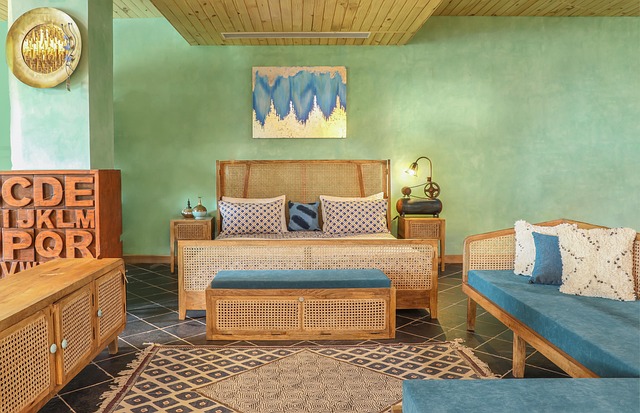
How Can Home Interior Stores Near Me Transform Online Success Into Physical Growth
Online Success Leads to Home Interiors Shop Opening
Digital-first home interior brands are now moving into physical retail, transforming how customers experience design. This shift is not a retreat from e-commerce but a strategic step that builds on online insights to create richer offline experiences. Brands that once relied solely on digital engagement now see physical stores as essential for credibility, tactile exploration, and local market connection. The data collected online—search trends, traffic heatmaps, and customer demographics—guides every decision from store placement to product curation. The result is an omnichannel model where online success naturally evolves into sustainable physical growth.
Understanding the Shift from Online Success to Physical Expansion?
The rise of hybrid retail has redefined how home interior companies grow. Once purely digital, many now open showrooms or design studios to meet customers’ desire for hands-on interaction. This transition is not just about visibility but about deepening brand relationships through sensory engagement.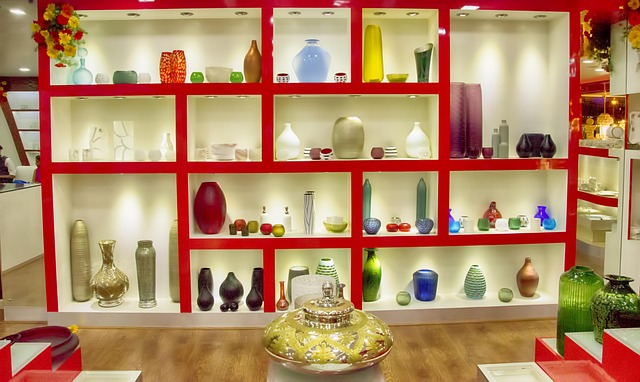
The Evolution of Home Interior Retail Models
Online-first brands are increasingly setting up physical spaces to complement their digital operations. Consumers often want to touch fabrics, test furniture comfort, or visualize textures before purchase—needs that digital images can’t fully satisfy. For example, when search queries like “home interior stores near me” spike in certain regions, it signals strong demand for local presence. Many retailers use this data to decide where to open new stores and what inventory mix will best serve each community.
The Strategic Importance of Local Presence
A local store gives a brand credibility that online-only competitors struggle to achieve. Customers tend to trust businesses they can visit physically; it validates the brand’s legitimacy and permanence. In-person consultations also lead to higher conversion rates because designers can tailor recommendations in real time. Moreover, localized merchandising—showcasing coastal palettes in seaside towns or rustic wood finishes in mountain areas—helps align with regional aesthetics and consumer expectations.
Leveraging Online Insights to Shape Offline Growth
The bridge between online analytics and offline expansion has become a decisive factor in retail success. Data-driven decisions allow brands to minimize risk and maximize relevance when entering new markets.
Using Digital Analytics to Identify Store Opportunities
E-commerce data provides a goldmine of information about customer behavior and geography. High traffic from specific ZIP codes or cities often indicates untapped potential for physical outlets. Similarly, analyzing search volume for “home interior stores near me” helps pinpoint underserved markets where physical presence could meet unmet demand. Demographic insights—such as age distribution or average spending patterns—inform both store layout and product assortment strategies.
Translating E-commerce Data into In-Store Experience Design
The most popular product categories online often become the centerpiece of showroom displays offline. For instance, if modular sofas dominate web sales, they take prime floor space in the new store layout. Heatmap analytics from websites also influence how products are positioned physically; items that draw high click-through rates may be placed at eye level or near entrances. Customer feedback loops then complete the cycle by aligning both channels for consistency in service quality and aesthetic messaging.
Building a Cohesive Omnichannel Strategy
Integrating digital precision with tangible experiences requires careful orchestration across platforms and teams. A cohesive omnichannel strategy ensures that whether customers browse online or visit in-store, their journey feels continuous and familiar.
Integrating Digital and Physical Customer Journeys
Unified CRM systems track every interaction—from browsing history to in-store purchases—allowing seamless transitions between channels. Services like click-and-collect or virtual design consultations extend convenience while maintaining personal touchpoints. Consistent pricing across platforms prevents confusion and reinforces trust, which is crucial for premium home interior brands positioning themselves as transparent and dependable.
Enhancing Customer Engagement Through Technology in Stores
Technology enriches the physical shopping experience without overshadowing it. Augmented reality tools let visitors visualize how furniture fits within their own rooms using tablets or mobile apps. Interactive kiosks display extended catalogs beyond what’s physically available on-site, reducing lost sales due to limited space. Mobile applications further connect loyalty programs with real-time offers, encouraging repeat visits both online and offline.
Operational Foundations for Sustainable Physical Growth
Behind every successful store opening lies robust operational planning that balances efficiency with flexibility across supply chains and workforce structures.
Supply Chain Adaptation for Hybrid Retail Models
Synchronizing inventory between e-commerce platforms and physical stores prevents stockouts while optimizing turnover rates. Regional warehouses shorten delivery times and simplify replenishment cycles—a key factor as consumer expectations for speed continue rising. Supplier partnerships must also evolve; vendors now need systems capable of supporting multi-channel fulfillment rather than single-stream distribution.
Workforce Development for Experiential Retail Environments
Retail staff today act less as salespeople and more as consultants guiding aesthetic choices. Training programs focus on design literacy, customer empathy, and technology fluency so employees can navigate both digital tools and human interactions effortlessly. Cross-functional teams manage integration projects linking POS systems with CRM databases, while incentive structures reward collaboration toward shared omnichannel goals rather than isolated performance metrics.
Marketing Strategies Driving Foot Traffic from Online Audiences
Turning digital followers into store visitors demands creative marketing alignment between content strategy, advertising precision, and local engagement initiatives.
Converting Digital Followers into In-Person Visitors
Geotargeted ads highlight nearby openings or exclusive events tailored to specific communities identified through data analysis of “home interior stores near me.” Email newsletters can feature limited-edition collections only available in-store or invitations to hands-on workshops hosted by local designers. Social media campaigns showcasing behind-the-scenes craftsmanship foster emotional connection that draws audiences from screens into showrooms.
Strengthening Brand Visibility Through Local SEO Optimization
Local SEO remains central for discovery-driven industries like home interiors. Optimizing listings with accurate addresses, opening hours, high-resolution photos, and verified reviews boosts visibility on map-based searches. Maintaining detailed Google Business Profiles enhances discoverability while structured data markup ensures consistent representation across search engines—a small technical step that significantly improves click-through rates from organic queries.
Measuring the Impact of Physical Expansion on Brand Performance
Quantitative assessment turns expansion efforts into measurable business intelligence guiding future investments.
Key Metrics for Evaluating Offline Growth Success
Retailers monitor foot traffic counts alongside conversion rates to gauge store performance accurately. Average transaction values reveal purchasing power differences between regions while cross-channel attribution models clarify how online campaigns drive offline sales outcomes. Retention rates then indicate whether integrated experiences truly build loyalty beyond initial curiosity visits.
Continuous Improvement Through Data Feedback Loops
Post-launch analytics help refine everything from aisle spacing to staffing schedules based on observed shopper behavior patterns. Real-time dashboards provide executives with immediate insight into performance fluctuations across locations enabling agile adjustments rather than delayed corrections months later. Continuous testing—whether through layout experiments or promotional timing trials—keeps strategies responsive as consumer preferences evolve seasonally or economically.
FAQ
Q1: Why are online home interior brands opening physical stores?
A: They aim to offer tactile experiences that complement digital convenience while building stronger community trust through local presence.
Q2: How does online data influence store location decisions?
A: Traffic analytics and search trends like “home interior stores near me” identify geographic areas with concentrated interest or unmet demand potential.
Q3: What technologies enhance customer engagement inside these stores?
A: Augmented reality visualization tools, interactive kiosks extending catalog access, and mobile apps connecting loyalty programs all improve engagement quality.
Q4: Which metrics best measure success after expansion?
A: Foot traffic growth, conversion rate improvements, cross-channel sales attribution accuracy, and customer retention levels collectively define success benchmarks.
Q5: How do local SEO practices support new showroom visibility?
A: Optimized business profiles with structured data markup improve ranking accuracy in map searches helping customers easily locate nearby showrooms when searching online.