
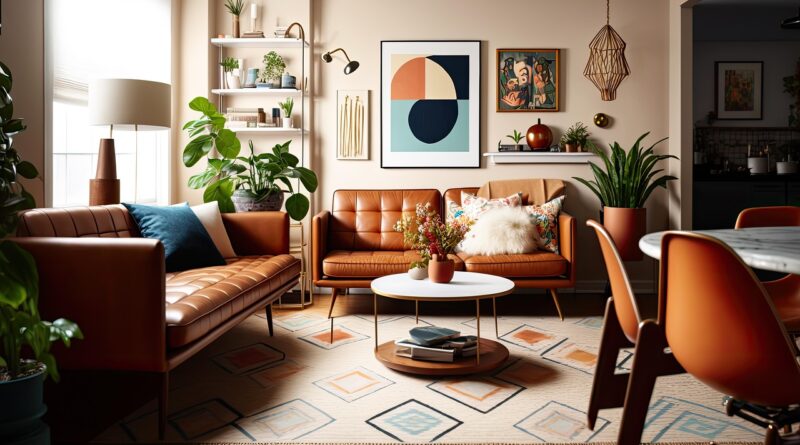
Is Mid Modern Century Furniture Still the Best Choice for a Timeless Home?
If you are searching for mid modern century furniture, you are probably looking for the same things many homeowners, designers, and collectors still ask for: clean shapes, warm wood, useful storage, and furniture that does not take over the room. For more ideas across sofas, tables, lighting, and accents, you can browse the Furniture & Decor section and see how this look works beside other interior styles.
The phrase is often written as mid-century modern furniture, but the buying issue is the same. You still need to know what to choose, what to skip, and how to keep the room looking current rather than like a staged 1960s display. Most of that comes down to scale, materials, and how the furniture will be used every day.
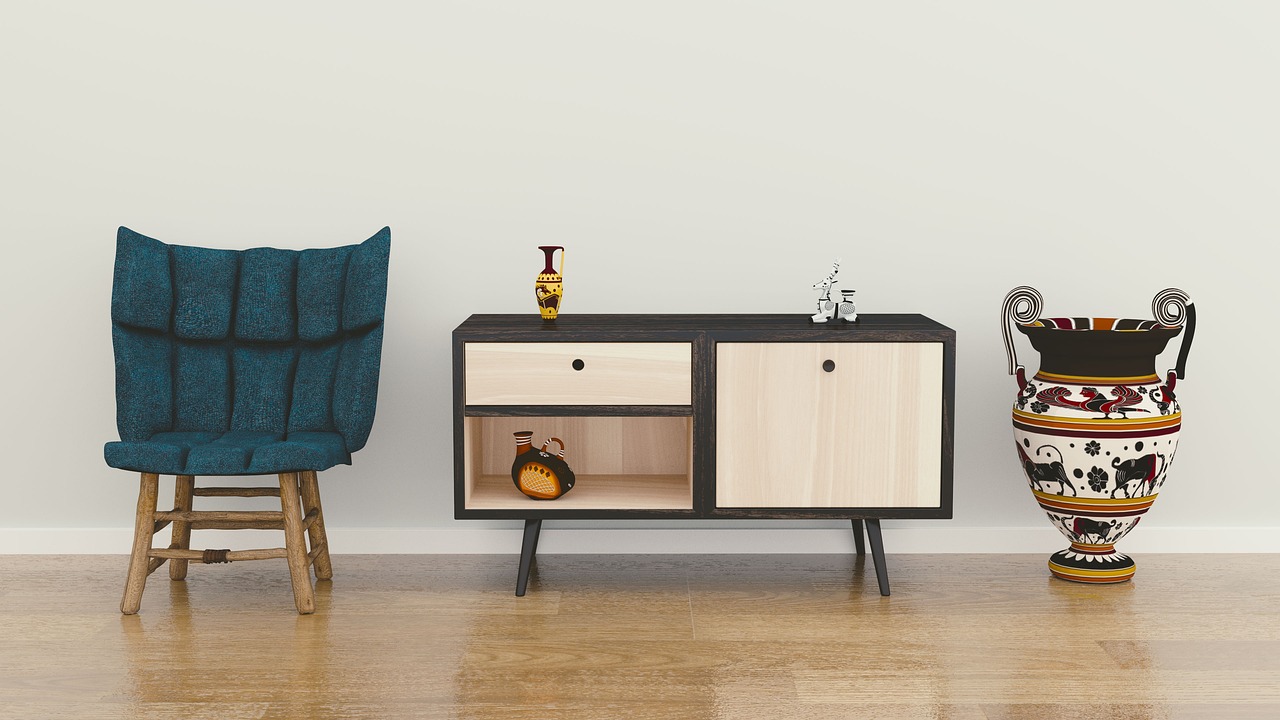
Why Is Mid Modern Century Furniture Still So Popular?
This style stays in demand because it deals with common room problems without adding visual weight. It can make a small apartment feel more open, give an older ranch house a clear flow, and add warmth to a new build that feels too bare.
Clean Lines That Fit Real Rooms
Mid-century pieces often sit on slim legs, with open space under the seat or cabinet. That detail may look small, but it changes how the room reads. More floor stays visible, so the space feels less packed. A 72-inch sofa with tapered legs can look lighter than a bulky 66-inch roll-arm sofa, even if it uses more wall length.
Postwar Roots and Honest Materials
The Victoria and Albert Museum describes post-1945 design as a response to austerity, rationing, and changing modern life. You can see that background in the furniture. Designers worked with plywood, molded shells, tubular metal, teak, walnut, wool, leather, and simple hardware. The point was not decoration for decoration’s sake; it was practical making with a clear purpose.
Demand That Outlives Short Trends
Trend data is useful here, especially for buyers who do not want to chase the wrong version of a style. The 1stDibs 2024 Designer Trends Survey reported that mid-century modernism stayed among popular aesthetics at 30% or more, while interest in 1960s shapes fell from 36% expected for 2021 to 14% for 2024. I would read that in a simple way: buy the quieter core pieces, not the loudest trend piece in the room.
What Defines Authentic Mid-Century Modern Pieces?
Authentic does not always mean rare, expensive, or museum-grade. It means the piece follows the right design logic. Before paying for a sofa, chair, or credenza, check the proportion, the materials, and the job it will do in the room.
Low Profiles and Tapered Legs
A classic sofa often has a lower back, a straight or slightly angled arm, and narrow legs. Tables may have rounded corners, thin tops, or splayed supports. These shapes create a long horizontal line through the room, and that line works well with long windows, brick fireplaces, open shelving, and homes built from the 1950s through the 1970s.
Warm Woods, Plywood, and Metal
Walnut, teak, oak, rosewood veneer, molded plywood, cane, brass, and steel all belong in this design language. Not every piece needs rare timber, and a well-made walnut veneer cabinet can be more stable than a poorly made solid wood one. What you want to see is even grain, clean edges, tight seams, and a finish that does not look like a plastic layer.
Function Before Extra Ornament
A good mid-century piece should earn its place in the home. A credenza can hide cables and dinnerware, a lounge chair can support the back without eating up the room, and a nesting table can move when guests arrive. Decoration usually comes from shape, grain, and shadow lines, not carved scrolls or large hardware. That is one reason the style still mixes well with newer interiors.
Which Pieces Should You Buy First?
If you are starting from scratch, do not buy a cart full of small accent items first. Larger pieces set the tone, control the layout, and affect comfort every day. Start with the furniture you sit on, touch, or open most often.
A Sofa That Sets the Room Scale
The sofa should fit the wall, but it also has to fit the way you live. For a small living room, measure the depth as closely as the width. Many mid-century-style sofas run 32 to 36 inches deep, which can save walkway space compared with extra-deep modern sectionals. If the room allows it, leave about 30 inches for the main walking path.
A Credenza That Solves Storage
A walnut or teak credenza is one of the most useful purchases in this style. It can work as media storage, dining storage, entry storage, or even a bedroom dresser. If the room is narrow, look at sliding doors first because swing doors need clearance. Drawers should move smoothly and stop without wobble, and that small detail matters in daily use.
Chairs and Tables With Real Daily Use
Accent chairs and coffee tables should not be chosen only because they photograph well. Sit before you buy if you can, and check the seat height against your sofa. For coffee tables, 16 to 18 inches high works in many living rooms, but the better rule is to keep the top close to sofa seat height. Snacks, books, and remotes are easier to reach that way.
How Do You Style It Without Making a Room Look Dated?
The common mistake is treating the room like a time capsule. A few original or inspired pieces can look strong and lived-in, while too many matching pieces can feel stiff. Real homes need contrast, texture, and a bit of mess, even if that just means books that are not sorted by color.
One Hero Piece Per Zone
Give each area one clear mid-century anchor. In the living room, it may be a sofa or lounge chair; in the dining room, it may be a table with slim legs; in the bedroom, it may be a low dresser. Then leave the nearby pieces simpler so the main item has room to work. A plain linen curtain or a simple wool rug often supports the look better than adding another strong vintage item.
Softer Textiles and Layered Lighting
Wood and leather can feel cold if every surface is hard and glossy. Add boucle, wool, cotton, linen, or a flatweave rug to bring in a softer touch. Use more than one light source, such as a floor lamp by the chair, a table lamp on the credenza, and warm overhead light only when needed. The room feels lived in, not like a showroom after closing. See also: Building Styles.
Color That Feels Warm, Not Costume-Like
Olive, ochre, rust, cream, navy, and warm brown all fit the period, but they need some control. A mustard chair can look good on its own. A mustard chair, orange rug, avocado wall, and starburst clock may start to feel like a theme party. Pair one period color with calmer walls and natural textures, and the room will age better.
Is Vintage Better Than New Reproduction?
Both options can make sense. Vintage gives character and possible resale value, while new production gives clearer sizing, warranties, and easier shipping. The better choice depends on budget, room use, and how much repair work you are willing to handle.
Original Pieces With Patina and Provenance
Vintage pieces may have better timber, sharper proportions, and a finish that only time can create. When the price is high, ask for maker marks, labels, receipts, or clear provenance. Be careful with famous designer claims, because names such as Eames, Wegner, Nelson, and Saarinen are often used loosely in resale listings. Sometimes those names appear on pieces they never designed.
Reproductions With Safer Lead Times
A new mid-century-inspired sofa can be the practical choice for a family room, rental property, or busy lounge. You can choose the fabric, cushion firmness, and delivery timing, which helps when a project has a deadline. Still, avoid copies that flatten every detail. If the legs look too thin for the frame, the veneer repeats like printed wallpaper, or the cushions feel flat after five minutes, keep looking.
Sustainability and Repair Value
The U.S. Environmental Protection Agency reported that furniture and furnishings generated 12.1 million tons of municipal solid waste in 2018, and 80.1% of that category was landfilled. That number is a good reminder to buy pieces that can stay in use. A repairable vintage chair, or a new piece built with replaceable parts, can help you buy less often. It is not a flashy design point, but it is a serious one.
How Can You Check Quality Before You Pay?
Good photos can hide weak construction, especially online. Before buying, slow down and inspect the parts that carry weight: frame, joints, veneer, hardware, and dimensions. A good outline is not enough if the piece cannot handle normal use.
Stable Joinery and Solid Frames
Shake the piece gently and watch how it moves. A dining chair should not rack from side to side, and a sofa frame should not creak loudly when you sit. Look for dowels, screws, corner blocks, or other visible support where you can. For tables, check that the legs meet the top cleanly, because wobble can be a floor issue, but it can also point to loose joinery.
Veneer, Finish, and Hardware Checks
Run your eyes across the top and edges before you agree on the price. Veneer chips often start at the corners, and those corners tell you a lot about how the piece was used. Water rings, cloudy lacquer, sun fade, and swollen edges can sometimes be repaired, but the cost should show in the price. Open every drawer, check that handles feel tight, and make sure sliding doors do not jump out of the track.
Measurements That Protect the Floor Plan
Measure doors, elevators, stairs, and hallway turns before delivery, not after the truck arrives. Mark the footprint on the floor with painter’s tape so you can see how the piece sits in the room. A 90-inch credenza can look right online and still block a vent, outlet, or walkway. The National Association of Realtors has reported NAHB buyer research showing many buyers want more space than they currently have, so scaled furniture matters in real rooms.
FAQ
Q1: Is Mid Modern Century Furniture the Same as Mid-Century Modern Furniture? A: In most searches, yes. Mid-century modern furniture is the standard term, while mid modern century furniture is a common mixed-word search phrase for the same general style.
Q2: What Wood Is Best for This Style? A: Walnut and teak are the most recognized choices, but oak, beech, ash, and quality veneer can also look right. Judge the piece by grain, construction, and finish, not only the species name.
Q3: Can This Furniture Work in a Small Apartment? A: Yes. Slim legs, low profiles, and compact storage pieces can make small rooms feel more open. Avoid oversized sectionals and very wide lounge chairs unless the floor plan can handle them.
Q4: Should You Mix Mid-Century Furniture With Modern Decor? A: Yes, and it often looks better that way. Mix a vintage-style cabinet with a modern sofa, soft rug, quiet artwork, and warm lighting so the room feels current.
Q5: What Is the Safest First Purchase? A: A credenza is often the safest first buy. It adds storage, works in several rooms, and carries the mid-century look without forcing you to redesign the whole space.