
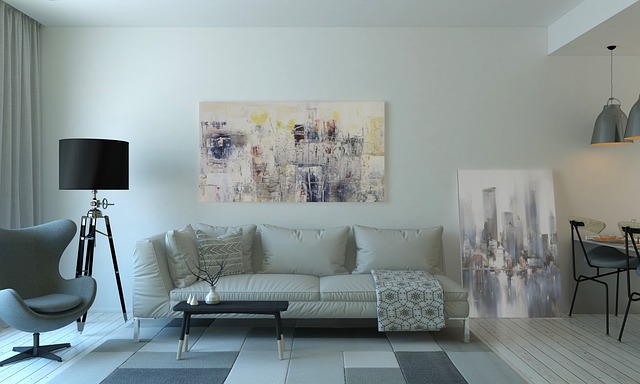
Is Modern Living Room Design Moving Away From Traditional Layouts in 2026
Ralph Lauren Debuts New Home Collections Ahead of Milan Store
Ralph Lauren’s new home collections mark a decisive move toward a more contemporary interpretation of luxury interiors. The brand’s latest debut in Milan reflects not only its evolving aesthetic but also a strategic alignment with Europe’s design capital. This shift signals Ralph Lauren’s ambition to merge its American heritage with Italian craftsmanship, creating interiors that feel both timeless and cosmopolitan. The upcoming Milan store will serve as a showcase for this vision—where refined materiality, architectural harmony, and lifestyle storytelling converge to redefine what modern luxury living means in the European context.
Ralph Lauren’s Vision for Contemporary Interior Design in Milan
Milan has long been the world’s stage for design innovation. For Ralph Lauren, it offers the perfect setting to express an evolved vision of home aesthetics that bridges continents and cultures.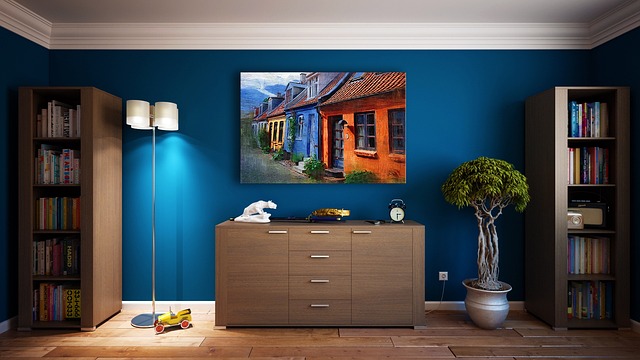
The Evolution of Ralph Lauren Home Aesthetic
Ralph Lauren Home began as an extension of the designer’s fashion universe, translating the elegance of classic Americana into interiors defined by comfort and refinement. Over time, this aesthetic has matured into a cosmopolitan expression where mahogany-paneled libraries meet minimalist European restraint. The transition is visible in cleaner silhouettes, lighter materials, and subtler palettes that still retain the brand’s signature warmth. The influence of Milanese design culture—known for its disciplined use of proportion and texture—has introduced a new level of sophistication to Ralph Lauren interior design.
Positioning Ralph Lauren Home within the Global Luxury Market
Within the global luxury market, Ralph Lauren Home competes alongside established names such as Fendi Casa and Armani/Casa. Yet its narrative remains distinct: fashion heritage translated into interior storytelling. Milan plays a strategic role here—not merely as a retail location but as a hub where craftsmanship meets commerce. By situating itself in this environment, Ralph Lauren reinforces its position among brands that define lifestyle through both apparel and space. The result is an identity rooted in authenticity rather than trend.
The Design Philosophy Behind the New Ralph Lauren Home Collections
The philosophy behind these collections centers on craftsmanship and sensory depth. Every piece is conceived not just as furniture but as an embodiment of tactility, light, and proportion—a dialogue between heritage and innovation.
Materiality and Craftsmanship as Core Principles
At the heart of Ralph Lauren interior design lies an unwavering respect for material integrity. Artisanal production methods remain central: hand-finished brass detailing, saddle-stitched leather upholstery, and custom-milled walnut veneers evoke old-world mastery applied to contemporary forms. These materials are chosen not only for their beauty but for their ability to age gracefully—reflecting longevity rather than fleeting luxury. Each collection becomes an archive of touch and technique.
The Interplay of Color, Texture, and Light
Color palettes lean toward neutrals—sandstone beige, ivory linen, graphite gray—balanced by accents like deep navy or oxblood leather. Layering plays a crucial role: coarse linen against polished metal or velvet beside raw oak creates visual rhythm. Lighting design is treated almost architecturally; soft ambient light highlights surface grain while directional fixtures define spatial zones. This orchestration produces interiors that feel calm yet dimensional.
Architectural Harmony: How the Collections Integrate into Milanese Interiors
The dialogue between American heritage and Italian modernism defines how these collections interact with Milanese architecture—a city known for rationalist facades concealing intimate courtyards.
Merging American Heritage with Italian Modernism
Ralph Lauren’s signature elements—club chairs, equestrian motifs, tailored drapery—are reinterpreted through the lens of Italian restraint. In Milanese apartments characterized by high ceilings and terrazzo floors, these pieces adopt a quieter presence while maintaining their sculptural authority. It is less about nostalgia and more about reinterpretation: how transatlantic influences can coexist within one coherent spatial language.
The Role of Furniture Scale and Spatial Composition
Urban residences in Milan often demand precision in scale management. Furniture must respect architectural proportion while asserting identity within compact layouts. Ralph Lauren’s designers address this through modular compositions—sectional sofas with slim profiles or nesting tables that adapt fluidly to different uses. Each piece balances function with formality, ensuring comfort without compromising architectural rhythm.
The Cultural Resonance of Ralph Lauren Interior Design in Milan’s Luxury Scene
Beyond aesthetics lies cultural resonance—the way spaces shape emotional experience and social meaning within Milan’s evolving luxury landscape.
Redefining Luxury Through Lifestyle Curation
Luxury today extends beyond product ownership toward curated living experiences. Ralph Lauren interprets this shift by designing interiors that evoke narrative continuity—from wardrobe to living room to terrace garden. Textures invite touch; scents from leather-bound books or linen drapes engage memory. Such multisensory cues transform rooms into personal stories rather than static displays.
Collaborations and Artisanal Partnerships in Italy
Partnerships with Italian artisans further root the brand within local tradition. Cabinetmakers from Lombardy or textile weavers from Como contribute specialized expertise that enriches authenticity. This synergy between American brand identity and Italian craftsmanship reinforces quality while supporting regional craft economies—a model increasingly valued by discerning clients seeking provenance alongside beauty.
Future Directions for Ralph Lauren Interior Design in Europe
As the brand expands across Europe, it faces both opportunity and responsibility—to adapt its aesthetic language while maintaining ethical standards consistent with modern luxury expectations.
Expansion Strategies Across European Capitals
Following Milan, cities like Paris and London represent natural extensions for showcasing new home collections. Each flagship operates less as a store than as an experiential gallery where visitors move through fully realized domestic environments rather than static displays. This immersive approach aligns with changing consumer behavior favoring personalization over mass presentation.
Sustainability and Ethical Production in High-End Interiors
Sustainability now defines credibility in high-end interiors. Ralph Lauren integrates responsible sourcing practices—from certified wood to vegetable-tanned leathers—and emphasizes durability over disposability. Longevity becomes both ethical stance and design principle: furniture meant to endure decades rather than seasons positions Ralph Lauren Home as a benchmark for conscious luxury interiors across Europe.
FAQ
Q1: What distinguishes Ralph Lauren interior design from other luxury brands?
A: It merges American heritage aesthetics with European refinement, emphasizing craftsmanship, timeless materials, and narrative-driven spaces rather than trend-based decoration.
Q2: Why did Ralph Lauren choose Milan for its new home collection debut?
A: Milan represents global excellence in design culture and artisanal production, making it an ideal platform for introducing contemporary interpretations of luxury living.
Q3: How does material selection influence the overall atmosphere?
A: Noble materials like walnut, brass, linen, and leather provide tactile richness while aging beautifully over time, giving each interior depth and authenticity.
Q4: Is sustainability part of Ralph Lauren’s current design strategy?
A: Yes, sustainable sourcing and long-lasting construction are integral parts of its philosophy to align luxury with environmental responsibility.
Q5: How do these designs fit within typical European residential spaces?
A: Scaled proportions and modular compositions allow seamless integration into urban apartments while maintaining elegance suited to grander homes alike.