
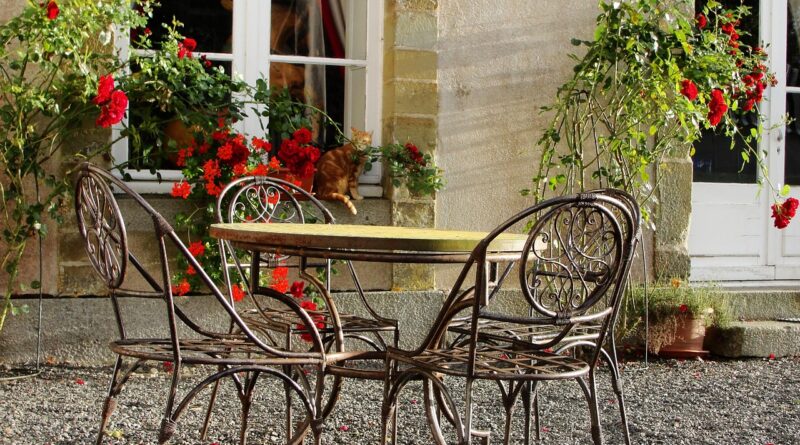
Outdoor patio table decor ideas for a more livable backyard
Start with how the patio table will be used
Outdoor patio table decor should support the way the table is actually used. It should not make the surface harder to clear, clean, or enjoy. Start with the table’s main role: meals, drinks, conversation, display, or a mix of all four. Once that is clear, the decor can be scaled around it with a low centerpiece, weather-ready materials, practical lighting, and enough open surface for plates, glasses, books, or serving pieces.
This matters because outdoor living areas are increasingly treated as everyday rooms, not occasional spaces. In the 2026 U.S. Houzz Outdoor Trends Study, lounge or seating areas appeared in 83% of renovated outdoor spaces, while dining areas appeared in 55%. That data suggests the patio table often has more than one job: part dining surface, part living-room coffee table, and part gathering point. (houzz.com)
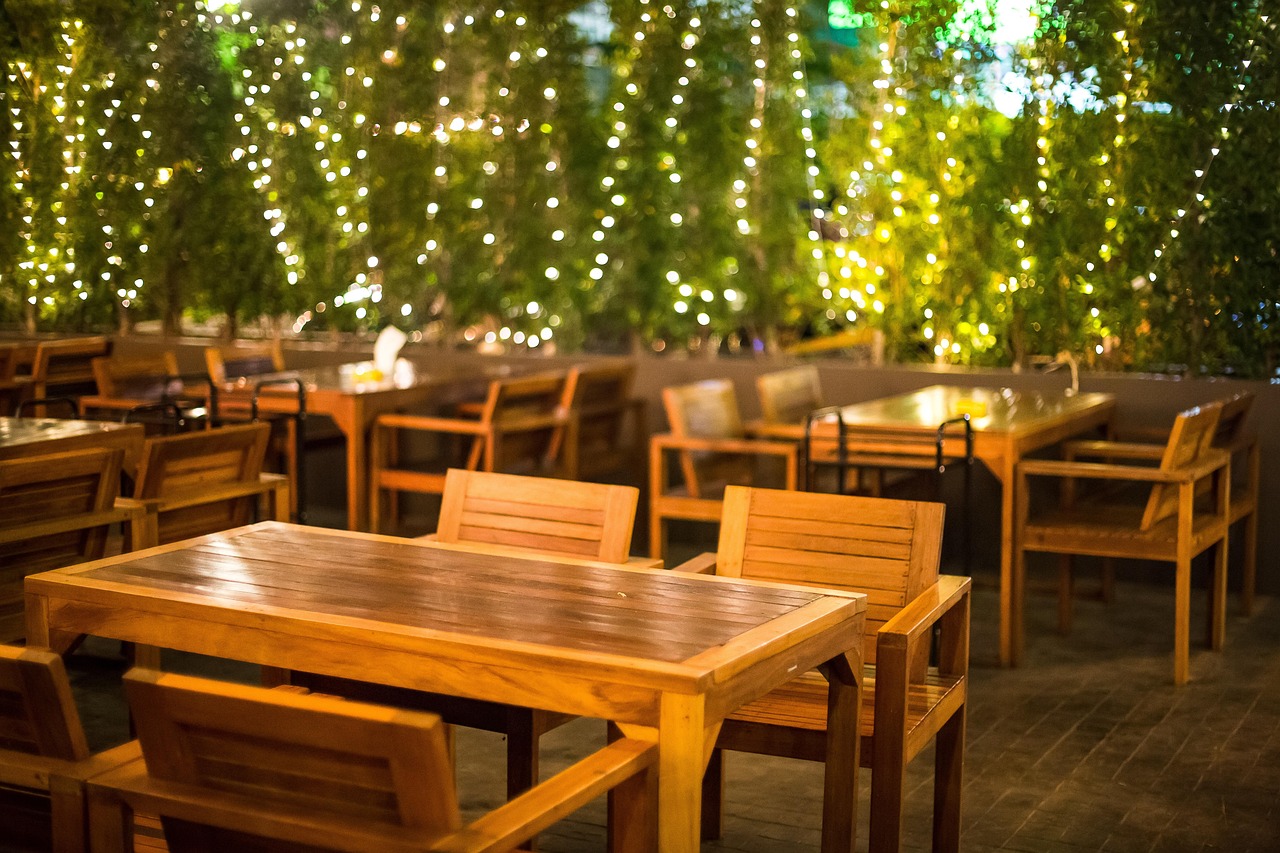
For a dining-height patio table, keep the center styled but flexible. A tray, lantern, bowl, or planter can define the middle without blocking place settings. For a low coffee table, work in layers: one grounding object, one natural element, and one useful item such as coasters or a small covered box. For a side table, edit more tightly. A lamp or candle alternative plus one small plant may be enough.
Use a simple tabletop formula
A reliable patio table arrangement can be built around three zones: a focal point, a functional layer, and negative space. The focal point gives the table identity. The functional layer supports daily use. Negative space keeps the table from feeling staged, crowded, or inconvenient.
The focal point
The focal point can be a ceramic bowl, a planted herb pot, a low vase, a hurricane lantern, or a sculptural object with enough weight to resist a light breeze. Outdoors, low and broad usually works better than tall and narrow. A centerpiece that stays below eye level keeps conversation easy and is less likely to tip.
The functional layer
Functional decor matters more outside than it does in many indoor rooms. Coasters, napkin weights, a lidded pitcher, a small caddy for flatware, or a tray for condiments can look intentional while solving real problems. A tray is one of the most useful patio table pieces because it groups loose objects, speeds cleanup, and helps the table shift from coffee service to dinner without restyling everything.
The negative space
Negative space is not empty design; it is usable design. On a dining table, keep at least the outer third of the tabletop clear for plates and elbows. On a coffee table, leave room for drinks and a shared snack bowl. On a narrow balcony table, choose one vertical accent and avoid spreading small pieces across the full surface.
Choose materials that can handle sun, moisture, and movement
Outdoor table decor has to tolerate more than visual scrutiny. It faces UV exposure, humidity, wind, pollen, spills, insects, and temperature changes. The goal is not to make every item indestructible, but to choose materials that age predictably and can be cleaned without fuss.
| Material | Good uses | Design note |
|---|---|---|
| Powder-coated metal | Lanterns, trays, candle holders | Works well for a clean architectural look, but check for chips that may expose metal to rust. |
| Ceramic or stoneware | Bowls, planters, vases | Choose heavier pieces for windy patios and bring delicate items in during freezes. |
| Teak or sealed wood | Trays, boards, small risers | Warm and tactile; expect natural weathering unless maintained. |
| Outdoor-rated textiles | Runners, placemats, napkins | Use sparingly on the tabletop and store when not in use to reduce fading and mildew risk. |
| Acrylic or melamine | Drinkware, serving pieces | Useful near pools or on family patios, though it can scratch over time. |
Glass can look elegant, but it is not always the easiest outdoor choice. In exposed locations, lightweight glass vases and tall bottles are prone to tipping. If glass is part of the scheme, use it inside a heavier tray or hurricane-style holder and avoid placing it near table edges.
Color also affects maintenance. Deep black, navy, and saturated red can create a strong graphic look, but they may show dust, pollen, water spots, and fading sooner than mid-tone neutrals. Earth tones, muted greens, clay, sand, warm gray, and off-white often transition well between seasons and pair naturally with outdoor furniture frames, decking, stone, and planting beds.
Make lighting part of the table plan
Good patio table decor changes after sunset. A table that looks finished in daylight may feel flat at night if all the light comes from a wall fixture or overhead floodlight. The most comfortable outdoor tables use layered light: ambient lighting around the seating area, task lighting for eating, and a small decorative glow at the tabletop.
Battery lanterns, rechargeable table lamps, solar accents, and covered LED candles can provide atmosphere without introducing an open flame. ENERGY STAR explains that LED lighting products can produce light up to 90% more efficiently than incandescent bulbs, while UL Solutions notes that outdoor and landscape luminaires are subject to safety and performance testing for outdoor use. For practical styling, that means choosing products marked for outdoor or wet-location use rather than repurposing indoor lamps on an exposed patio. (energystar.gov)
If string lights are part of the table setting, keep the table surface visually calmer. A single low planter or tray will usually be enough because the overhead light already provides movement and sparkle. If the patio has no overhead lighting, a pair of small lanterns can frame the table without making it feel crowded.
Be cautious with tabletop flames. The U.S. Consumer Product Safety Commission has warned against fire pits that burn pooled alcohol or other liquid fuels because refilling near a flame can create flame-jetting and spreading pool-fire hazards. For most patio table settings, LED candles or enclosed lanterns are the safer design choice. (cpsc.gov)
Decorate with plants, but match them to maintenance
Plants are one of the easiest ways to connect a patio table to the surrounding landscape. Herbs, succulents, ornamental grasses, small flowering annuals, and clipped evergreens can all work as centerpieces. The right choice depends less on trend and more on sun exposure, watering habits, and how often the table is used.
For dining tables, edible herbs such as rosemary, thyme, mint, or basil can be attractive and useful, but they should be kept in clean containers and placed where they will not crowd serving dishes. For coffee tables, a shallow bowl of succulents or a compact fern can create texture without height. For shaded patios, look for plants suited to lower light rather than forcing sun-loving varieties into a poor location.
Water needs are a real design constraint. EPA WaterSense reports that residential outdoor water use in the United States accounts for nearly 8 billion gallons per day, mainly for landscape irrigation. For patio table decor, the takeaway is simple: small container plantings should be chosen for the site, grouped by similar water needs, and watered deliberately rather than treated as disposable seasonal props. (epa.gov) See also: Building Styles.
On larger patios, tabletop planting can also relate to the wider garden strategy. EPA WaterSense notes that microirrigation delivers water directly to the root zone and can use 20% to 50% less water than conventional sprinkler systems. While a single tabletop pot may be hand-watered, nearby planters and beds can benefit from the same principle: water the plants, not the paving. (epa.gov)
Coordinate the table with furniture and architecture
A patio table rarely stands alone. It sits within a composition of chairs, flooring, railings, shade structures, doors, windows, and planting. The decor should echo at least one of those elements so the table feels integrated rather than randomly styled.
If the patio furniture has black metal frames, repeat black in a lantern, tray, or planter rim. If the architecture uses warm wood, bring in teak, rattan, or a woven placemat. If the surrounding landscape is lush, keep the tabletop palette quieter so the plants remain the main visual feature. If the patio is mostly concrete, stucco, or stone, add softness through textiles, rounded bowls, or leafy centerpieces.
Scale is just as important as color. A long rectangular table can handle a linear arrangement, such as three small planters on a runner or a tray flanked by low lanterns. A round table usually looks better with one central grouping. A square table can take either approach, but the decor should not fight the geometry. For small bistro tables, one object is often stronger than three.
For more ideas on furniture, surfaces, and decorative accents across the home, explore the Furniture & Decor section.
Keep safety and clearance visible in the design
Outdoor styling should not block circulation, create trip hazards, or interfere with cooking areas. If a table sits near a grill, the decorative plan needs to account for heat, grease, smoke, and movement. The National Fire Protection Association advises placing grills well away from the home, deck railings, eaves, and overhanging branches, and keeping grills clean of grease or fat buildup. That guidance supports a broader design point: cooking zones and decorative tabletop zones should not overlap. (content.nfpa.org)
Umbrellas and shade structures also shape table decor. A center-pole umbrella limits the usable middle of the table, so use smaller grouped pieces around the pole rather than one large centerpiece. If the umbrella is offset, keep tall decor away from the canopy path and avoid lightweight objects when wind is expected.
For family patios, use rounded objects, stable bases, and unbreakable serving pieces where possible. For balconies, prioritize weight and storage. Wind behaves differently at upper levels, and a lightweight runner, napkin stack, or tall vase can quickly become a nuisance. A compact tray with a heavy planter, lidded storage, and two coasters is often more practical than a layered tablescape.
A practical styling checklist
- Define the table’s main job before buying decor.
- Keep dining sightlines clear with low centerpieces.
- Use trays to group small objects and speed cleanup.
- Choose outdoor-rated lighting and avoid exposed tabletop flames.
- Select plants based on sun, wind, and watering needs.
- Repeat one material or color from the furniture or architecture.
- Leave enough open surface for plates, drinks, and serving pieces.
- Store textiles and delicate items when weather changes.
- Separate decorative zones from grills, heaters, and traffic paths.
The most successful outdoor patio table decor is not the most elaborate. It is the arrangement that looks intentional, works with the furniture, survives ordinary weather, and can be reset quickly after meals, storms, or daily use.
Frequently asked questions
What should I put in the center of an outdoor patio table?
Use one low, stable focal point such as a ceramic bowl, planted herb pot, hurricane lantern, or tray with grouped objects. Keep it below eye level for dining and heavy enough to stay in place during a light breeze.
How do I decorate a small patio table?
Edit the arrangement to one or two useful pieces. A small rechargeable lamp and a compact planter, or a tray with coasters and a bowl, can make the table feel finished without taking over the surface.
Are table runners practical outdoors?
They can be practical for covered patios or special meals, especially if made from outdoor-rated fabric. For everyday exposed use, placemats or a washable tray are usually easier to manage.
How can patio table decor look seasonal without being wasteful?
Keep the base pieces neutral and change smaller accents. A durable tray, lantern, or planter can stay all year, while napkins, flowers, herbs, or cushion colors shift with the season.
Should patio table decor match the outdoor furniture?
It does not need to match exactly, but it should relate. Repeating one finish, color, texture, or shape from the furniture helps the table feel connected to the larger outdoor room.