
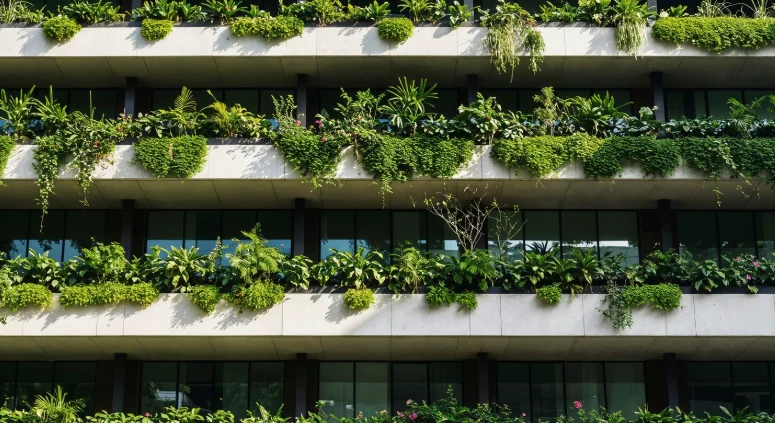
2026 Homeowner’s Guide: 10 Nature-Friendly Materials You’ve Never Heard Of
Sustainable design feels more important than ever. As a homeowner in 2026, you probably know that each choice of material—for things like insulation, flooring, or roofing—affects your home’s impact on the planet. The push toward nature-friendly building isn’t just a passing fad. It’s a real change in how houses connect with the world around them. This guide looks at ten uncommon materials. They’re changing green building practices. Soon, they might be common in eco homes.
Why Nature Friendly Architecture Matters?
Nature-friendly architecture works to cut down the harm buildings cause to the earth. It uses materials that come back easily, stay away from poisons, and come from nearby places. The goal is to build things that fit well with nature. They don’t drain it dry. For people who own homes, this brings real perks. You get less use of energy. The air inside stays cleaner. Over time, you save money too.
Designers now mix these materials into new-style homes. They do it not only for the green side but also for how well they work. Many of these options beat old materials in lasting power and keeping heat in or out. Plus, they look good. I’ve seen some projects where the natural feel just makes the space warmer, you know, like it belongs there from the start.
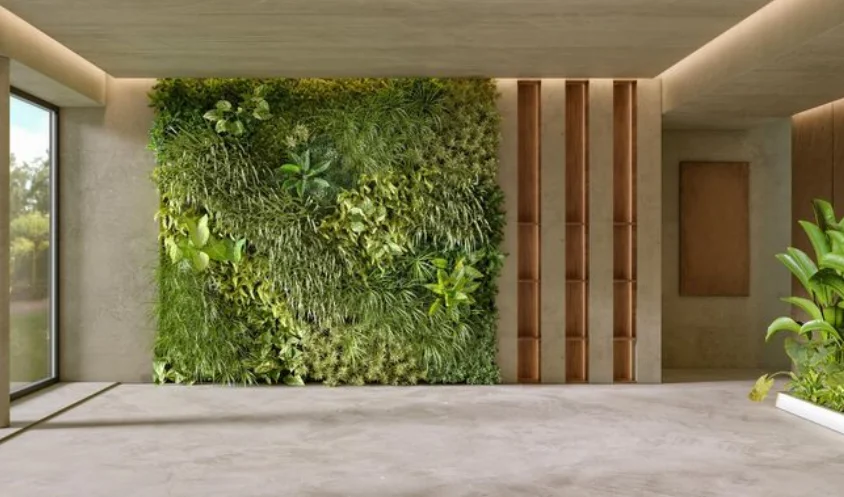
1. Mycelium Composites
Mycelium is the root part of mushrooms. It’s become a top new material from living things for building. Mix it with leftover farm stuff, and you get light but tough pieces. They can take the place of plastics or soft foams.
You shape mycelium into flat sheets or blocks. At the end, they break down naturally into the soil. It keeps heat out well. It also stops fire without any added chemicals. If you want a building part that turns to compost when done, this fits. It’s useful and has a kind of quiet charm. In one small house project I read about, they used it for walls, and it held up through a wet winter without a hitch.
2. Hempcrete
Hempcrete comes from the inner parts of hemp plants blended with lime and water. This mix acts like wood in letting air through. But it holds warmth like heavy concrete. Regular cement lets out a lot of CO₂ when made. Hempcrete does the opposite. It pulls in carbon as the lime hardens over time.
It works great for walls that control wetness on their own. That keeps rooms comfy all year. In places like Europe and Canada, homes made with hempcrete have stood strong. They fight off mold and bugs just fine. Builders there say it’s easier to work with than you’d think, especially in damp spots.
3. Recycled Plastic Bricks
Plastic trash is a huge problem for the world. But smart people have turned it into strong building pieces. Recycled plastic bricks are easy to carry. They keep water out. They stand up to wearing away. These traits make them right for quick-build homes or things outside.
These bricks pull loads of waste away from dumps. They also cut down on the big energy needed to make clay bricks the old way. One company in India has built whole schools this way, recycling over 500 tons of plastic in a year. It’s practical and cuts costs in the long run.
4. Cork Panels
Cork comes from the outer layer of cork oak trees. You take it off without hurting the tree. That makes it one of the best materials that grow back fully. Its springy nature blocks noise and holds heat better than fake stuff.
Use cork panels for floors, wall covers, or even outside layers. They handle wet and rot without trouble. In a real home in Portugal, they covered the floors with it. The owners loved how it felt underfoot, soft yet sturdy, even after kids ran around for years.
5. Ferrock
Ferrock is a mix heavy in iron that steps in for concrete. It uses dust from old steel and bits of glass waste with silica. When it sets, it takes in carbon dioxide. That makes a hard block stronger than normal cement. All the while, it traps that CO₂.
This turns Ferrock into a material that fights climate change. It’s hard to find that in building stuff. It’s perfect for parts that need real strength plus green benefits. Tests show it’s 5 times tougher in bending than regular concrete, which is a game-changer for quake zones.
6. Rammed Earth
Rammed earth goes way back in history. But new ways of building have made it much better. You pack down layers of dirt inside frames. This makes thick walls with good heat storage. They soak up warmth in the day. Then they let it out at night. That keeps inside temps steady.
Modern versions add helpers like lime or more clay. They skip cement to keep energy use low. This boosts how well it fights weather. In Australia, some homes use it and stay cool without much air conditioning. It’s like the earth itself is helping out.
7. Bamboo Laminates
Bamboo shoots up fast—up to 30 times quicker than regular trees. After you cut it, it grows back on its own. Thin sheets glued together from bamboo match hard woods in power. But they’re lighter. They show nice natural lines, great for floors or support beams.
Since bamboo grabs a lot of carbon while growing, putting it in buildings helps plant more trees worldwide. In Asia, floors made this way last 20-30 years with little upkeep. It’s a simple swap that feels right for busy families.
8. Sheep Wool Insulation
Sheep wool breaks down naturally. It comes back each year from sheep. It stops fire on its own without added stuff. It handles wetness by taking it in when the air’s heavy. Then it lets go when things dry out. This keeps rooms feeling just right.
Unlike the scratchy glass fiber stuff that bothers skin or breathing when you put it in, wool is safe to touch. It gives the same warmth level per thickness. Farmers in New Zealand sell it straight from their flocks, making it local and fresh.
9. Reclaimed Timber
Reclaimed timber comes from old barns or factory spots. It adds old stories to fresh rooms. At the same time, it eases the cut of new trees. Every board has its own rough look you can’t fake.
Choosing this wood saves power that would go to cutting and shaping new logs. It’s a small step, but it adds up for better living. One builder I know reused beams from a 100-year-old mill. The wood smelled like history, and it held the roof steady through storms.
10. Bio-Based Paints And Finishes
Usual paints give off bad vapors that dirty inside air for a long time. Paints from plants or rocks fix that. They have no such vapors. They give deep colors and last as long as fake ones.
They help homes that want clean air inside. That’s a key idea in building that fits with nature everywhere. In a family home in the US, they switched to these. No more headaches from fumes, and the walls still look sharp after five years.
Integrating These Materials Into Modern Homes
Picking green materials is a start. But how you mix them counts a lot. You could team hempcrete walls with bamboo floors. Or add cork layers inside rammed earth outsides. That way, you balance toughness and ease.
Building groups now use computer models. They test how these mixes act in real life before starting. This cuts waste in planning and making. Homeowners should think about the full life of items. Check not just how they’re made and shipped. Also see if they can be reused after many years. It’s not always straightforward, but it pays off.
Challenges And Future Directions In Sustainable Design?
New ideas come fast. But getting them used has roadblocks. Upfront prices can run higher. That’s because not many places make or check things like Ferrock or mycelium sheets yet.
Still, things are getting better as more people want them around the world. Makers are making more. Governments offer money breaks for updating old homes to green. By 2030, mixes of natural stuff with smart tech—like air systems that adjust alone—will be normal in houses. This shows green building keeps homes cozy and pretty. It’s exciting to watch it grow, even if it takes time.
FAQ
Q1: What makes a material “nature-friendly”?
A: A nature-friendly material cuts harm to the earth over its whole life. That’s from getting it to throwing it out. It grows back, makes little waste gas, stays non-poison, and often can be used again or breaks down safe.
Q2: Are these materials widely available now?
A: Some, like bamboo or cork, you can find almost anywhere. Others, such as Ferrock or mycelium composites, are still special. But they’re spreading quick thanks to more need in green building.
Q3: Can these alternatives perform as well as traditional ones?
A: Yes. Many do better in holding heat, lasting in wet spots, or grabbing carbon when used right in today’s building setups.
Q4: Do eco-materials increase building costs significantly?
A: At first, yes, prices might be up. Supply lines are still growing. But savings from less energy use often cover that in a few years of living there.
Q5: How can homeowners verify sustainability claims?
A: Check for real stamps like LEED points or Cradle-to-Cradle tags. They prove how green it is in getting materials clear and how it can be reused.