
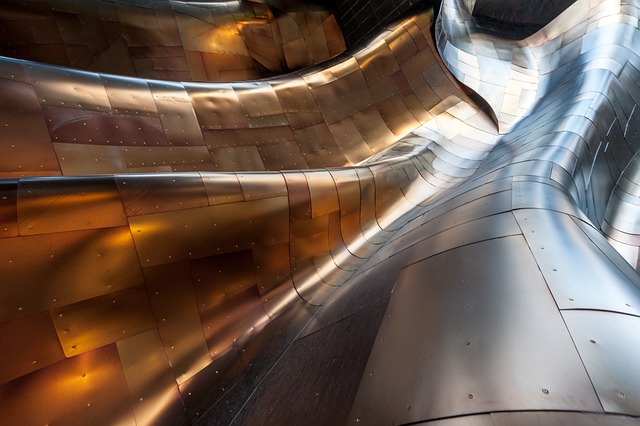
How Anodized Aluminum Boosts Efficiency in Sustainable Architectural Design
What Are The Principles of Sustainable Building Design
Sustainable building design isn’t just a trend; it’s a necessity shaped by environmental, social, and economic realities. In today’s construction landscape, sustainability means designing spaces that perform efficiently while minimizing their impact on the planet. It involves balancing energy use, material selection, and occupant health to create buildings that last longer and function better. You can think of it as a shift from short-term performance to long-term responsibility.
Environmental Responsibility in Sustainable Design
Environmental responsibility forms the foundation of sustainable building design. It’s about reducing the ecological footprint of buildings across their life cycle—from material extraction to demolition. Architects and engineers evaluate how each component contributes to energy use, emissions, and waste generation. For example, using recycled or low-impact materials such as anodized aluminum can significantly reduce embodied carbon because it’s durable, corrosion-resistant, and recyclable. Unlike untreated metals that degrade over time, anodized finishes protect surfaces naturally without relying on toxic coatings.
Energy Efficiency and Resource Conservation
Energy efficiency sits at the core of sustainable architecture. Buildings account for nearly 40% of global energy consumption (International Energy Agency, 2023). To counter this, design strategies now emphasize passive systems—natural ventilation, daylighting, and thermal insulation—to lower operational energy demands. High-performance façades made with anodized aluminum panels help control solar gain while maintaining aesthetic appeal. The material reflects sunlight effectively yet allows creative flexibility in design.
Resource conservation extends beyond energy into water management and waste reduction. Installing low-flow fixtures or greywater recycling systems helps minimize freshwater use. Similarly, modular construction techniques reduce on-site waste by prefabricating components precisely offsite.
Material Selection and Life Cycle Thinking
Choosing sustainable materials requires looking beyond initial cost or appearance. You must consider their full life cycle: sourcing, manufacturing, transportation, usage, maintenance, and end-of-life recyclability. Anodized aluminum excels here because it combines longevity with minimal maintenance needs. Its oxide layer prevents corrosion even in harsh climates—ideal for coastal or urban environments where pollution accelerates wear on conventional materials.
Life cycle assessment (LCA) tools provide quantitative data to compare materials objectively. By analyzing embodied energy and carbon emissions across stages, designers can make informed trade-offs between performance and sustainability goals.
Indoor Environmental Quality
A truly sustainable building also prioritizes the well-being of its occupants. Indoor environmental quality (IEQ) encompasses air purity, lighting comfort, acoustics, and thermal regulation. Poor ventilation can lead to “sick building syndrome,” affecting productivity and health. Integrating natural ventilation systems alongside non-toxic finishes enhances air quality significantly.
For instance, anodized aluminum does not emit volatile organic compounds (VOCs), unlike painted or coated metals. This makes it suitable for interior applications such as ceiling panels or window frames where maintaining clean indoor air is essential.
Integration of Renewable Energy Systems
Sustainable design increasingly relies on renewable energy integration—solar photovoltaics (PV), wind turbines, or geothermal systems—to offset fossil fuel dependence. Rooftop PV arrays combined with reflective anodized aluminum cladding can boost solar efficiency by reducing heat absorption around modules.
Designers often adopt a “net-zero” approach: ensuring that buildings produce as much renewable energy as they consume annually. Achieving this balance requires precise modeling during the planning phase using tools like EnergyPlus or IESVE to simulate performance under varying conditions.
Adaptability and Longevity
A building designed sustainably should adapt gracefully over time rather than become obsolete after a decade. Flexible layouts allow spaces to evolve with changing user needs—offices transforming into co-working hubs or residential units accommodating new technologies without major reconstruction.
Durable materials like anodized aluminum contribute directly to longevity by resisting corrosion and fading even under UV exposure. This reduces maintenance cycles and replacement costs over decades—a key factor when calculating total life-cycle savings.
Social Sustainability and Community Impact
Sustainability extends beyond physical structures into social dimensions—how buildings interact with communities and enhance quality of life. Accessible public spaces encourage social inclusion; green roofs create communal gardens that improve mental well-being; mixed-use developments foster local economies by blending residential and commercial functions seamlessly.
When specifying materials or systems, consider local sourcing wherever possible to support regional industries while reducing transportation emissions—a principle echoed in many green certification frameworks such as LEED or BREEAM.
Economic Viability in Sustainable Design
Sustainability must make financial sense too. While upfront costs for high-performance materials or renewable systems may appear higher initially, operational savings often offset these investments within years through reduced utility bills and maintenance expenses.
For instance, anodized finishes rarely require repainting throughout a building’s lifespan—cutting both cost and environmental burden associated with periodic refurbishment. Lifecycle costing models help quantify these long-term benefits accurately for stakeholders evaluating project feasibility.
Innovation Through Technology Integration
Digital technologies now drive innovation in sustainable architecture more than ever before. Building Information Modeling (BIM) enables precise coordination among teams while tracking sustainability metrics like embodied carbon automatically throughout design iterations.
Smart sensors integrated into HVAC systems adjust airflow dynamically based on occupancy data—reducing unnecessary energy use without compromising comfort levels. When paired with durable envelope materials such as anodized aluminum, these intelligent systems deliver both resilience and efficiency simultaneously.
FAQ
Q1: What are the main goals of sustainable building design?
A: The main goals include minimizing environmental impact through efficient resource use, improving occupant health via better indoor environments, ensuring long-term durability of structures, and promoting economic viability across the building’s lifecycle.
Q2: How does anodized aluminum contribute to sustainability?
A: Anodized aluminum offers exceptional corrosion resistance without toxic coatings, requires minimal maintenance over decades, reflects heat effectively for better energy performance, and is fully recyclable at end-of-life stages.
Q3: Why is life cycle assessment important in material selection?
A: It quantifies environmental impacts from production to disposal so designers can compare alternatives objectively based on data rather than assumptions about eco-friendliness alone.
Q4: Can sustainable buildings be cost-effective?
A: Yes. Although initial investment may be higher due to advanced technologies or premium materials like anodized aluminum façades, operational savings from reduced energy use typically recover costs within a reasonable timeframe.
Q5: What role does technology play in modern sustainable design?
A: Technology enables precise modeling of performance outcomes through BIM tools and supports adaptive control via smart sensors that optimize lighting or ventilation automatically according to real-time conditions.