
How To Choose The Best Green Architecture Companies
Green architecture has moved from a small idea to a main part of today’s building plans. Rules about the environment are getting stricter. Clients want spaces that last and help the planet. Picking the right green architecture company is a key choice. This piece looks at ways to find firms that give true green results. It skips the empty sales talk.
What Defines a Green Architecture Company?
A green architecture company works on buildings that cut harm to the earth. They boost energy use and make people inside feel good. These groups mix nature ideas into all parts of planning. That includes picking materials and testing energy use. The aim goes beyond lowering carbon output. It also builds places that fit well with the area around them.
Sustainable Design Philosophy
A solid plan for design forms the base of any good green architecture firm. It needs to stress thinking about the full life of a building. That means looking at how materials, setups, and building ways touch the world over years. For example, groups that use cradle-to-cradle ideas often do better in checks for green results that last. I recall one project where this approach saved tons of waste—it’s practical stuff, not just theory.
Certification and Professional Credentials
Top companies usually have papers like LEED (Leadership in Energy and Environmental Design), WELL Building Standard, or BREEAM. These show they follow world rules for green work. A company’s history with certified jobs points to its skills and steady work in real results. Think about a firm that has done 20 such projects; that builds trust fast.
Integration of Renewable Technologies
Strong green architecture companies add in clean power tools, such as solar panels or geothermal heating, right into their plans. This cuts running costs for owners. It also helps reach goals for zero energy use. In city builds, smart ways like natural air flow or light from outside can drop energy needs by up to 40%. Case studies from the U.S. Green Building Council in 2023 back this up. It’s not magic—it’s smart planning that pays off.
How Can You Evaluate a Company’s Sustainability Commitment?
Before you agree to work with them, check if their green promise is real or just for show. Lots of companies say they are eco-kind. But they miss the deep know-how for true green work. Take time to dig in. It saves headaches later.
Transparency in Project Portfolios
Ask for full stories of past green jobs. Seek hard numbers, like how much energy they saved in percent, less water use, or how much trash they kept out of dumps during builds. Clear reports show they take blame and have real skills. One time, I saw a portfolio with charts of a school that cut water by 30%—that kind of detail sells it.
Use of Sustainable Materials
Choosing materials tells you a lot about what a firm cares for. Groups that pick reused steel, saved wood, or paints with low bad smells are cutting harm to nature. Some team up with sellers who check their ways for fair getting of stuff. Third groups check those sellers. It’s like picking friends who do good—reliable and thoughtful.
Collaboration with Environmental Consultants
The top firms work with machine experts and nature advisors from the start. This team way spots chances to save resources. It also makes sure they follow area rules for green builds. Without it, projects can stumble on small issues that grow big.
Why Does Experience Matter When Choosing Green Architecture Companies?
Time in the field shapes how well a firm turns green ideas into real work that lasts. A group with tough green jobs under their belt can guess roadblocks from rules or tech snags. Newer ones might learn the hard way. Experience isn’t everything, but it sure helps avoid costly mistakes.
Proven Project Outcomes
Looking at done jobs gives a peek at what really happens, not just big talk. Older firms often share checks after people move in. These show how the place uses energy and keeps air clean over time. For instance, a office building might report 25% less power use after two years—numbers like that prove the point.
Familiarity with Local Climate Conditions
Know-how in your area counts a lot. Designs that fit the weather change by place. Firms in wet, hot spots focus on air flow from nature. Those in dry lands think about shade and water save. One desert project I heard of used local stone to stay cool without AC—clever and fitting.
Ability to Manage Large-Scale Projects
For big business or school builds, pick firms used to leading teams on big money and tight times. Their skill in handling the flow keeps green aims in reach, even when things get pressed. It’s like herding cats, but they make it work smoothly.
What Role Does Innovation Play in Green Architecture?
New ideas push green building ahead. Things like walls that change with weather or computer tools for energy checks let builders do more without waste. Tech helps them try bold steps in a safe way. Without fresh thinking, we’d stuck with old habits that hurt the planet.
Adoption of Smart Building Systems
Sensors that watch lights, heat, and people inside cut waste on power. Firms at the front use Internet of Things (IoT) tools in their main plans, not as an add-on. This makes buildings act smart from day one. Imagine a home that turns off lights when no one’s there—saves money and effort.
Research-Driven Design Practices
Smart companies put money into team-ups with schools or green labs. These links bring new finds, like plant-based fill for walls or concrete that fixes itself. Such tech is now common in builds. It’s exciting to see ideas from labs turn into real homes and offices.
Experimentation with Biophilic Design Elements
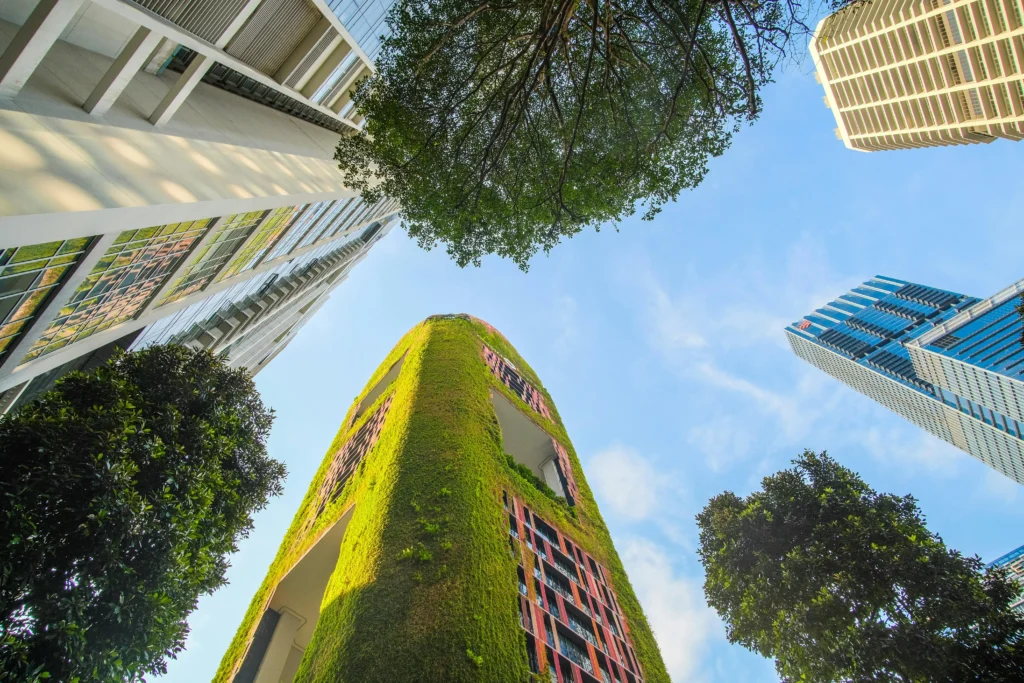
Biophilic design links people to nature with things like plant walls or gardens inside. Work from Harvard T.H. Chan School of Public Health in 2022 ties these spots to better thinking and less worry for folks using them. It’s a real win for places that care about health. Not every project needs it, but when it fits, it shines.
How Important Are Client Relationships in Sustainable Projects?
Green work wins when builders and owners share the same care for the earth. They need open talks all through the job. Good ties make sure the plan stays on track. Poor ones can lead to cuts in the green parts when money gets tight.
Collaborative Decision-Making Processes
Good green architecture needs work from designers, builders, workers, and users. Clear talks keep green goals front and center. Even if costs push back, they hold firm. It’s a group effort, like a family planning a trip—everyone’s input matters.
Education and Client Empowerment
Top firms teach owners about the long good from green tech. They don’t just push it as extra cost. This builds faith and helps smart choices for upkeep and daily use. Owners then feel part of the green story, not just buyers.
Post-Construction Support Services
Help goes on after the build ends. Many good companies check how the place works months or years later. They track power use and such. This makes sure the green wins happen for real. It’s like a follow-up call to see if everything’s okay.
What Should You Consider About Cost When Hiring Green Architecture Companies?
Money worries often stop folks from going green. But skilled firms show how early spends lead to big saves later. It’s not cheap at first, but the math works out. Plus, with rules changing, green pays in ways you might not see right away.
Long-Term Operational Savings
Systems that save energy cost more up front. But they slash bills for power over many years. Buildings aimed at zero net energy often get back the extra cash in 8 to 10 years. That’s from less power needs, per the International Energy Agency Report 2023. One hotel chain did this and saw returns faster than expected—real-world proof.
Access to Incentives and Grants
Lots of places give tax breaks or help money for green-certified spots. Smart architects guide owners through these to cut the start cost. It lightens the load right away. Knowing the local perks can make a big difference in going ahead.
Value Retention Over Time
Green buildings hold their worth better. Low run costs and fit for new rules keep them strong for sellers. That’s key for those holding assets long-term. In a shifting market, this edge stands out, especially with climate talks everywhere.
FAQ
Q1: What qualifications should I look for when choosing a green architecture company?
A: Look for LEED-accredited professionals or equivalent credentials demonstrating specialized knowledge in sustainable building practices.
Q2: How do I verify if a company truly practices sustainability?
A: Review detailed project data showing measurable outcomes such as reduced carbon footprint or improved water efficiency rather than relying solely on marketing claims.
Q3: Are green buildings always more expensive than traditional ones?
A: Initial costs may be higher due to advanced materials or systems, but operational savings typically offset those expenses within several years of occupancy.
Q4: Can small-scale residential projects benefit from hiring green architecture companies?
A: Yes, even modest homes gain advantages like improved indoor air quality, lower utility bills, and increased property value when designed sustainably.
Q5: How does technology influence modern sustainable design?
A: Digital modeling tools allow architects to simulate building performance before construction begins, optimizing layouts for daylight access and thermal comfort efficiently without costly trial-and-error adjustments later on.