
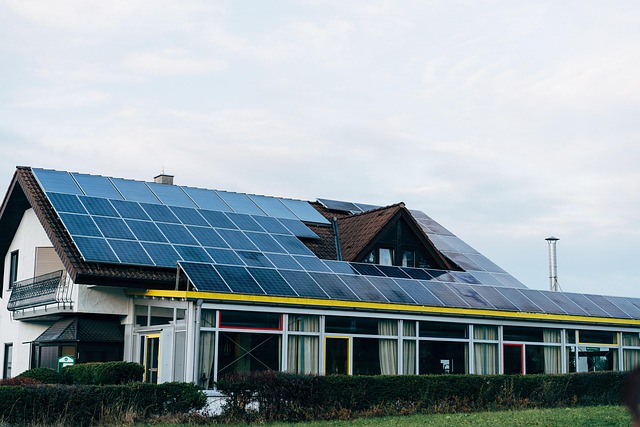
What Is Green Architecture and How Does It Redefine Sustainable Architecture
What Is Green Architecture, and Why Is It Essential for Sustainable Living?
Green architecture has become a defining movement in today’s built environment. As cities grow denser and resources scarcer, the idea of designing buildings that coexist with nature rather than exploit it is no longer optional—it’s essential. You can see this shift in how architects now think beyond form and function, considering energy cycles, material sourcing, and long-term ecological balance. This article explores how green architecture shapes sustainable living by merging environmental ethics with advanced design.
The Concept of Green Architecture
Before diving into its details, it’s worth noting that green architecture is not simply about using eco-friendly materials. It’s a comprehensive design philosophy that redefines how humans inhabit space while respecting natural systems.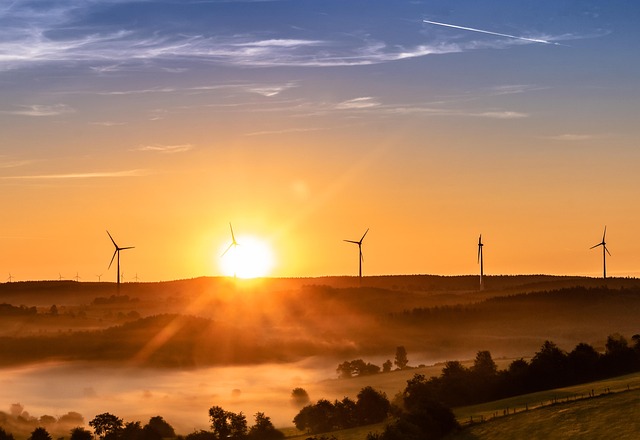
Defining Green Architecture in the Context of Modern Design
Green architecture integrates environmental responsibility into building design and construction. It emphasizes resource efficiency, ecological harmony, and human well-being. Rather than focusing solely on visual appeal, it evaluates a building’s entire life—from material extraction to demolition—ensuring minimal environmental impact. For instance, a green-certified office tower in Singapore might use passive cooling techniques and recycled water systems to maintain comfort without excessive energy use.
The Philosophical and Technical Foundations of Green Architecture
At its core, green architecture draws from ecological design theory and sustainable development principles. It merges architecture with engineering and environmental science to deliver balanced outcomes that respect both people and the planet. Systems thinking plays a crucial role here: every element—from lighting to landscaping—is considered part of an interconnected whole that seeks to reduce negative externalities like carbon emissions or heat island effects.
The Relationship Between Green Architecture and Sustainable Architecture
Both green architecture and sustainable architecture aim for environmental stewardship, yet they differ subtly in scope and ambition. Understanding these nuances helps you appreciate how the two disciplines complement each other in practice.
How Green Architecture Expands the Scope of Sustainability
Sustainable architecture traditionally focuses on reducing energy use through efficient systems and materials. Green architecture goes further by integrating biodiversity preservation, renewable materials, and adaptive reuse strategies into its framework. This approach encourages buildings to act as living organisms within their ecosystems—absorbing sunlight, filtering air, supporting plant life, or even producing more energy than they consume.
Key Differentiators Between Green and Conventional Sustainable Practices
The difference between conventional sustainability and green design lies largely in intent. Where conventional approaches measure success through efficiency metrics like reduced kilowatt-hours or lower water consumption, green architecture prioritizes regeneration—returning more to nature than it takes away. Material selection follows bioclimatic logic; site orientation maximizes solar gain while minimizing heat loss; lifecycle assessments guide decisions from concept through deconstruction.
Core Principles Guiding Green Architectural Design
Green architectural practice revolves around several interlinked principles that shape both technical performance and human experience.
Energy Efficiency and Renewable Integration
Energy-efficient design starts with passive strategies: orienting buildings toward prevailing winds for natural ventilation or optimizing window placement for daylight harvesting. These choices reduce dependence on mechanical systems like HVAC units. The integration of renewable sources such as solar photovoltaics or geothermal heating further strengthens resilience against fluctuating energy markets.
Material Selection and Resource Optimization
Choosing low-impact materials—locally sourced stone, reclaimed timber, or recycled steel—reduces embodied carbon while supporting regional economies. Modular construction methods allow flexibility over time; sections can be replaced or repurposed without full demolition. Bio-based composites like hempcrete illustrate how innovation supports circular design models where waste becomes input for new production cycles.
Water Management and Ecological Stewardship
Water-sensitive urban design remains central to green projects. Rainwater harvesting systems collect runoff for irrigation or flushing toilets; greywater recycling reduces freshwater demand. Landscapes are designed to promote biodiversity through native vegetation or living roofs that provide habitats for pollinators while insulating structures below. Effective stormwater management mitigates flooding risks and protects local waterways from contamination.
Technological Innovations Driving Green Architecture Forward
Technology has become an indispensable partner in advancing the goals of green architecture by offering tools for precision monitoring and adaptive performance.
Smart Building Systems for Environmental Performance Monitoring
Internet of Things (IoT) sensors now track real-time data on temperature, occupancy patterns, air quality, and energy consumption. Predictive analytics use this data to adjust operations automatically—for example, dimming lights when rooms are empty or adjusting ventilation based on CO₂ levels. Digital twins allow architects to simulate environmental performance before construction begins, reducing costly post-build modifications.
Advanced Construction Techniques Supporting Sustainability Goals
Prefabrication reduces onsite waste by manufacturing components under controlled conditions with precise material usage. 3D printing pushes this further by allowing intricate geometries that minimize excess material while maintaining structural integrity. Adaptive façades equipped with responsive shading systems adjust dynamically to sunlight intensity or wind pressure, improving comfort without additional energy input.
The Human Dimension of Green Architectural Practice
While technology drives much of the progress in this field, human experience remains at its heart—after all, buildings exist for people first.
Enhancing Health, Comfort, and Productivity Through Design Choices
Indoor air quality directly affects health outcomes; using low-VOC paints or natural ventilation strategies can significantly reduce respiratory issues among occupants. Access to daylight supports circadian rhythms, improving mood and productivity—a fact recognized by multiple workplace studies across Europe since 2018 (source: World Green Building Council). Acoustic comfort also matters: sound-absorbing materials help maintain concentration levels in schools or offices where background noise can otherwise hinder performance.
Social Responsibility in the Built Environment
True sustainability includes social equity. Inclusive design principles guarantee accessibility regardless of age or ability—ramps instead of stairs where possible, tactile surfaces for visually impaired users. Community engagement during planning fosters local identity; residents who feel ownership over shared spaces tend to maintain them better over time. Ethical sourcing practices ensure that materials come from fair labor conditions rather than exploitative supply chains.
Global Trends Shaping the Future of Green Architecture
The global momentum behind carbon neutrality targets has accelerated adoption of green standards worldwide.
Regulatory Frameworks and Certification Systems Influencing Practice
Certification programs such as LEED (Leadership in Energy and Environmental Design), BREEAM (Building Research Establishment Environmental Assessment Method), WELL Building Standard, and the Living Building Challenge provide measurable frameworks for evaluating sustainability performance across categories like water efficiency or indoor environment quality. Governments increasingly align urban planning policies with these benchmarks; cities like Copenhagen aim for full carbon neutrality by 2025 through strict building codes encouraging retrofitting older stock rather than demolishing it outright.
Emerging Research Directions in Sustainable Architectural Innovation
New research explores biomimetic structures inspired by natural forms—think termite mounds influencing passive cooling towers or seashell geometry guiding lightweight concrete shells—to enhance efficiency without sacrificing aesthetics. Carbon-negative materials such as mycelium composites are gaining traction as viable alternatives to conventional insulation products due to their renewability and biodegradability potential (source: Journal of Cleaner Production 2022). Urban metabolism studies now examine cities as ecosystems capable of regenerating resources through closed-loop systems involving waste-to-energy conversion or decentralized water treatment networks.
FAQ
Q1: What distinguishes green architecture from sustainable architecture?
A: Sustainable architecture focuses mainly on efficiency—reducing resource consumption—while green architecture emphasizes regeneration by integrating ecological processes into built environments.
Q2: How does green architecture benefit human health?
A: It improves indoor air quality through natural ventilation systems and non-toxic materials while maximizing daylight exposure that supports mental well-being.
Q3: Which technologies most influence modern green buildings?
A: IoT sensors for monitoring performance data, digital twins for simulation modeling, prefabrication methods reducing waste, and adaptive façades responding to climate changes are key innovations today.
Q4: Are renewable materials always better choices?
A: Not necessarily; context matters. Locally sourced conventional materials may sometimes have lower embodied energy than imported “green” alternatives depending on transport distance or processing needs.
Q5: What global standards certify a building as truly “green”?
A: Leading certification systems include LEED (U.S.), BREEAM (U.K.), WELL (health-focused), and Living Building Challenge (performance-based holistic criteria).