
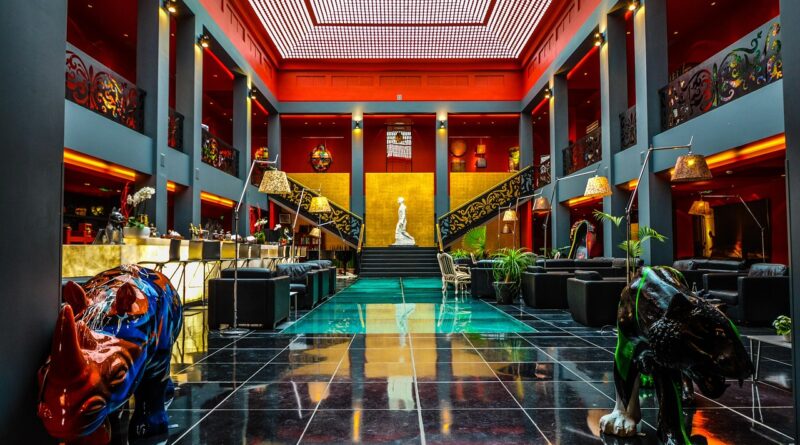
Art deco interior design for modern homes
What defines an art deco interior?
An art deco interior is built on order, glamour, and modernity. The style combines strong symmetry, geometric pattern, polished surfaces, rich color, and carefully placed ornament rather than casual decoration. It emerged from the design culture of the 1920s and 1930s, with the 1925 Paris Exposition widely treated by design historians as a pivotal public moment for the movement. In residential interiors, art deco works best when it feels architectural: furniture has clear silhouettes, lighting is part of the composition, and materials such as lacquer, mirror, glass, metal, stone, velvet, and patterned wood create visual depth. A modern version does not need to reproduce a period room. It needs the same discipline: a confident focal point, balanced proportions, and a limited number of dramatic details.
For readers exploring broader residential design ideas, the Home & Interior section offers related coverage on how historical styles continue to influence contemporary homes.
The historical logic behind the look
Art deco is often reduced to black, gold, and fan motifs, but the original movement was more layered. Museum references such as the Victoria and Albert Museum describe it as a blend of tradition and progress, shaped by the optimism of the machine age as well as older craft traditions. RIBA summarizes the style through bold geometry, bright color, strong outlines, luxury materials, and its reach across architecture, furniture, textiles, ceramics, sculpture, and interiors.
The 1920s version of art deco often celebrated handcrafted luxury. Designers used exotic veneers, lacquer, ivory, sharkskin, fine metalwork, and sculptural detailing for wealthy clients. By the 1930s, economic pressure and industrial production pushed the style toward chrome, aluminum, mirror, colored glass, plastics such as Bakelite and Catalin, and streamlined forms. That shift matters for modern interiors because it shows that art deco was never only about expense. It was also about the visual effect of precision, sheen, and rhythm.
Global references also shaped the style. The discovery of Tutankhamun’s tomb in 1922 encouraged widespread Egyptian-inspired imagery, while African, Asian, Mesoamerican, classical, and avant-garde European sources influenced pattern, material choices, and stylized figures. A responsible contemporary interior should treat these references with restraint and context. Rather than copying sacred or culturally specific symbols as surface decoration, a more considered approach is to use broader design principles: stepped forms, radial balance, stylized geometry, and crafted surface contrast.
Core visual elements that make the style recognizable
Symmetry and strong axes
Art deco rooms usually feel composed. A sofa may be centered on a fireplace, a console may sit beneath a mirror, and matching lamps can frame a bed or sideboard. Symmetry does not mean every object must be duplicated, but the room should have a clear visual axis. This is why art deco translates well to entry halls, dining rooms, living rooms, hotel lobbies, powder rooms, and bedrooms: these spaces benefit from a sense of arrival and ceremony.
Geometry and repeating motifs
Common motifs include chevrons, zigzags, sunbursts, stepped profiles, fan shapes, fluting, reeding, arches, and stylized botanical or animal forms. The key is repetition at different scales. A room might pair fluted cabinet doors with a stepped mirror and a rug with a broad geometric border. If every surface carries a different pattern, the result becomes busy rather than elegant. One large pattern, one medium pattern, and one fine texture are usually enough for a residential room.
Gloss, reflection, and controlled drama
Art deco interiors use light as a material. Mirrors, polished metals, lacquered finishes, glossy tiles, glass shades, and satin or velvet textiles all respond differently to daylight and artificial light. RIBA notes the role of lighting and mirrors in emphasizing streamlined designs and enhancing reflection. In practice, a room can feel deco even with a restrained palette if the surfaces are layered well. A bronze mirror, ribbed glass pendant, lacquered cabinet, and low-sheen stone floor can create more atmosphere than excessive gold trim.
Materials, colors, and furniture choices
The most convincing art deco interior design decisions start with materials. Period rooms often used luxurious materials that are not acceptable by current ethical standards, including ivory and certain exotic animal skins. A modern project should avoid those and use responsible alternatives: certified wood veneers, lacquered finishes, recycled glass, metal accents, stone remnants, ceramic tile, plant-based or high-quality faux leathers, and textiles that provide richness without questionable sourcing.
| Design element | Art deco reference | Modern application | Common mistake |
|---|---|---|---|
| Wood | Veneers, inlay, dark polished finishes | Walnut, oak, ash, or certified veneer with a satin or lacquer finish | Using heavy dark furniture without contrast or light |
| Metal | Chrome, brass, aluminum, bronze tones | One dominant metal finish across lighting, hardware, and furniture legs | Mixing too many metallic finishes in a small room |
| Glass and mirror | Mirrored panels, colored glass, reflective objects | Antiqued mirror, ribbed glass doors, smoked glass tables, glossy tile | Creating glare by placing mirror opposite every light source |
| Textiles | Velvet, silk-like sheen, bold woven or printed motifs | Velvet upholstery, geometric cushions, bordered rugs, lined curtains | Using novelty prints that feel theatrical rather than architectural |
| Color | Jewel tones, black, cream, metallics, strong contrast | Emerald, oxblood, sapphire, warm ivory, tobacco, bronze, charcoal | Assuming black and gold alone equals art deco |
Furniture should have a clear outline. Look for curved club chairs, waterfall edges, stepped side tables, fluted cabinet fronts, scalloped headboards, pedestal dining tables, and low consoles. The best pieces feel substantial but not bulky. If the room is small, choose one sculptural anchor rather than a full suite. A curved chair, geometric rug, and symmetrical pair of lamps can communicate the style more effectively than a room crowded with themed accessories.
How to design an art deco room without overdecorating it
The safest way to build an art deco interior is to work from structure to detail. Start with the room’s axis: the bed wall, fireplace wall, dining table, window bay, or main seating arrangement. Once the focal point is clear, select one anchor material, such as dark wood, polished stone, lacquer, or velvet. Then add one reflective element and one geometric pattern. This sequence keeps the design intentional.
- Choose a focal point first. A headboard, fireplace surround, dining table, mirror, or built-in cabinet can carry the main deco gesture.
- Limit the palette. Use two foundation colors, one accent color, and one metal finish. For example, warm ivory, walnut, emerald, and aged brass create depth without chaos.
- Scale patterns carefully. Pair a large rug pattern with fine fluting, or a subtle wallpaper with plain upholstery. Competing motifs weaken the style.
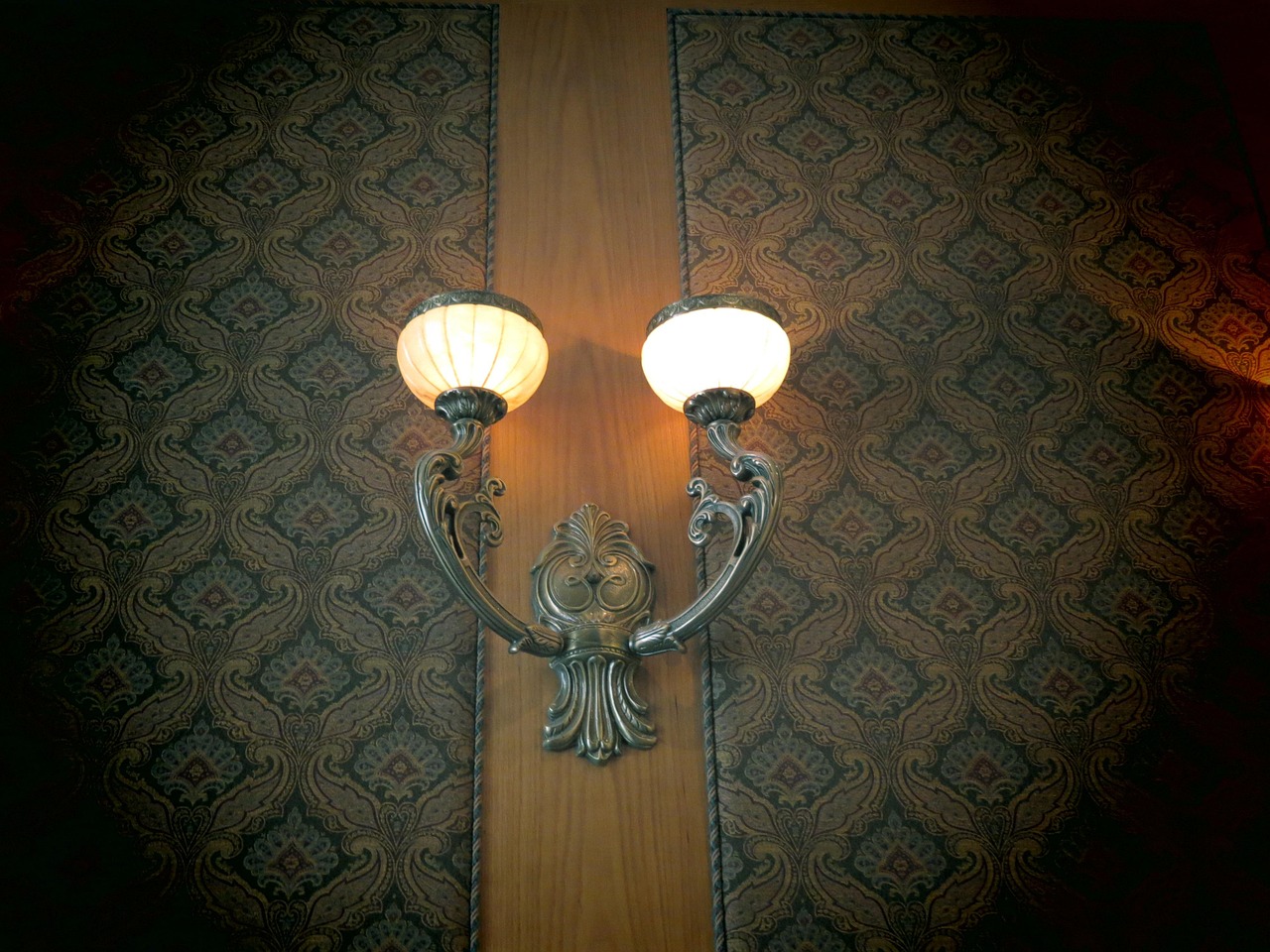
- Use lighting as architecture. Wall sconces, stepped lamps, globe pendants, and ribbed glass shades can define the room before decorative objects are added.
- Edit accessories. A few sculptural objects, books, trays, or ceramic pieces are more convincing than a shelf full of themed décor.
In a living room, a deco approach might include a curved sofa, two symmetrical lounge chairs, a low stone or glass table, a geometric rug, and wall lights that frame the main view. In a bedroom, the headboard is often the best place for drama: scalloped upholstery, vertical channeling, or a paneled wall can create a strong backdrop while the bedding stays calm. In a bathroom or powder room, the style works through tile geometry, a framed mirror, metal fixtures, and a compact but dramatic light fitting. See also: Building Styles.
Art deco versus adjacent interior styles
Knowing what art deco is not helps prevent a room from becoming a vague mix of vintage references. The movement overlaps with several styles, but each has a different design logic.
| Style | Main visual language | How it differs from art deco |
|---|---|---|
| Art nouveau | Flowing lines, plant forms, asymmetry, organic curves | Art deco is usually more geometric, symmetrical, and machine-age in mood |
| Bauhaus and International Style | Function, industrial clarity, minimal ornament | Art deco accepts ornament and luxury while still embracing modern forms |
| Streamline moderne | Horizontal lines, rounded corners, speed, transport imagery | It is smoother and more aerodynamic, while deco can be more angular and ornamental |
| Hollywood Regency | Theatrical glamour, lacquer, mirror, dramatic contrast | It is often more playful and eclectic, while art deco relies more on geometry and composition |
| Mid-century modern | Lightness, organic shapes, functional furniture, open planning | It is generally less formal and less ornamented than art deco |
This comparison is useful because many contemporary products are labeled deco when they are only shiny or glamorous. A brass finish, a black cabinet, or a curved sofa is not enough on its own. The room needs the underlying grammar of the style: balanced layout, stylized geometry, material contrast, and a sense that ornament belongs to the architecture rather than being added afterward.
Practical checklist for modern homes and renovations
Before buying furniture or finishes, assess the room’s permanent features. Ceiling height, window proportions, door locations, flooring, and built-ins will determine how much drama the space can handle. Art deco can work well in apartments and smaller homes, but it should be scaled. A powder room can take a bold wallpaper and brass mirror; a compact living room may need a quieter wall color and one statement rug instead.
- For renters: use removable wallpaper panels, plug-in wall lights, mirrored trays, sculptural lamps, and textile upgrades rather than permanent alterations.
- For small rooms: use vertical lines, fluted details, and one reflective surface to add height and depth without crowding the plan.
- For open-plan spaces: repeat one motif or finish across zones, such as ribbed glass, bronze metal, or stepped profiles, so the design feels connected.
- For historic homes: preserve original fireplaces, doors, plasterwork, hardware, terrazzo, tile, and built-ins where possible. If a building is protected or landmarked, consult the relevant local preservation authority before altering original features.
- For sustainable updates: consider vintage furniture, refinishing existing wood pieces, repairing lighting, and choosing durable materials over disposable themed décor.
The strongest modern art deco rooms often use fewer pieces than expected. A well-proportioned cabinet, a precise lighting plan, a tactile wall finish, and a disciplined palette can carry the style. The goal is not to make a house look like a film set. It is to borrow art deco’s confidence, clarity, and craft for everyday use.
Frequently asked questions
Is art deco interior design expensive?
It can be, but it does not have to be. Original period furniture and custom lacquerwork can be costly, while lighting, mirrors, rugs, paint, hardware, and upholstery can create a deco effect at a more accessible level. Spend on the focal point and keep supporting details simple.
What colors work best in an art deco interior?
Classic choices include black, ivory, cream, deep green, sapphire, oxblood, burgundy, tobacco, charcoal, bronze, and brass. Softer versions can use warm neutrals with one jewel tone and a single metal finish. High contrast is more important than any one color formula.
Can art deco work in a small apartment?
Yes, if the design is edited. Use vertical details, a strong mirror, compact furniture with curved or stepped profiles, and one geometric pattern. Avoid oversized dark furniture and too many metallic accessories, which can make a small room feel crowded.
What is the difference between authentic and art deco-inspired interiors?
An authentic interior may include period architecture, original fixtures, or furniture from the 1920s and 1930s. An art deco-inspired interior uses the style’s principles in a contemporary way. Both can be successful, but inspired rooms should be honest about mixing old and new rather than pretending to be historical reconstructions.
Is black and gold enough to create the look?
No. Black and gold can support the style, but art deco depends on proportion, geometry, symmetry, polished surfaces, and controlled ornament. Without those elements, the palette may feel generic or theatrical rather than authentically deco in spirit.