
How Can a Home Decorator Make Your Space Look Better and Work Smarter?
What Does a Home Decorator Actually Do?
A home decorator helps turn rooms that feel mixed up, old, or half-done into spaces that suit your taste and daily use. For more room-by-room ideas, explore Archithaus Home & Interior guides. Decoration is not only cushions, vases, and wall art. It also covers where the sofa should face, why a paint color turns gray at night, whether the rug is the wrong size, and which items should wait until the room plan is settled.
Timing matters here. The Harvard Joint Center for Housing Studies reported in 2025 that the U.S. remodeling market rose above $600 billion after the pandemic and stayed about 50 percent above pre-pandemic levels, while the country has roughly 145 million homes that need care, upgrades, and better performance. That number explains why even small interior choices need a plan, not a quick Saturday run through the shops. (jchs.harvard.edu)
Room Goals and Daily Use
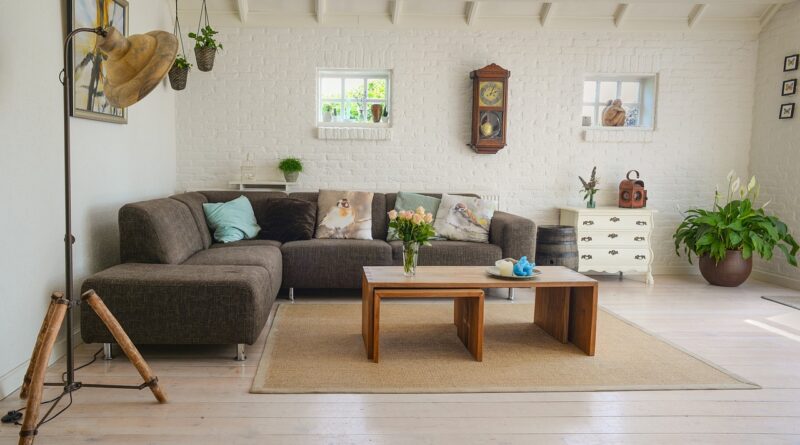
A decorator first asks what the room has to do day to day. A living room for movie nights needs different seating from a formal sitting room used a few times a month. A breakfast nook used by kids, laptops, and quick dinners needs surfaces that wipe clean, soft light, and chairs that move without trouble. This sounds simple, but it stops costly mistakes. A white bouclé chair may look good online, then turn into a crumb catcher in a busy family room.
Style Direction and Material Choices
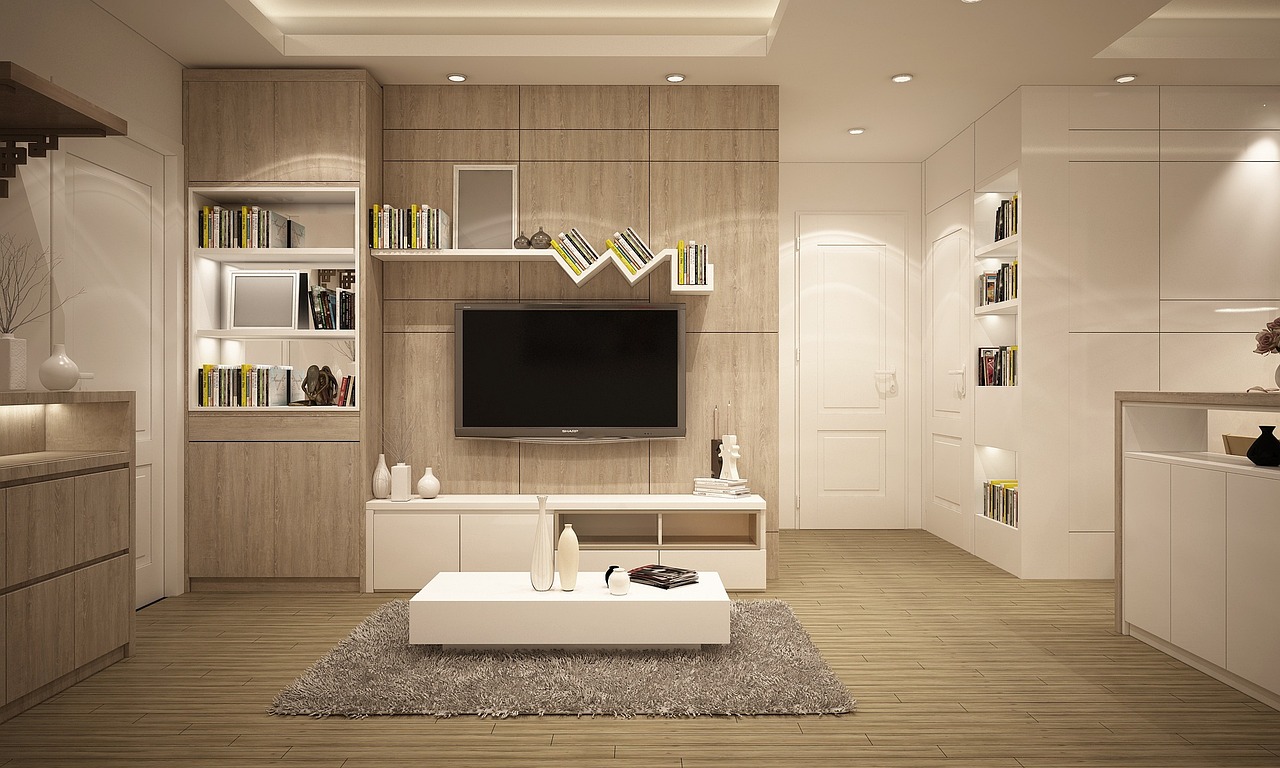
Your style should be clear, but it should not feel forced. A decorator can turn loose ideas, such as warm modern, quiet luxury, coastal, or traditional with cleaner lines, into real choices. That includes paint finishes, wood tones, stone, fabric, metal, window treatments, and accessories that work in the same room. The room should not look like every item came from one showroom in one afternoon.
Budget Control and Buying Order
Good decorating follows an order. Measure first, choose the large pieces next, then add lighting, rugs, textiles, and art. When that order gets mixed up, the budget gets hard to control. You may buy lamps before you know the table height, or order curtains before the wall color is decided. A decorator keeps the purchase list in the right sequence. It is not the exciting part of the job, but it does save money.
Why Should You Plan Before Buying Furniture?
Planning can feel slower than shopping, especially when a room looks empty. Still, a measured plan is what separates a home that feels put together from a room full of nice pieces that do not work together. Think of it as small-scale architecture. The room needs proportion, walking space, light, and a clear reason for every main item.
Accurate Measurements Before Mood Boards
Before choosing a sofa, measure the walls, windows, door swings, ceiling height, stairs, elevator access, and the path from the delivery truck to the room. A good-looking sectional is no help if it blocks a walkway or cannot turn at the landing. For most living rooms, leave enough space for people to walk around seating without squeezing through. People notice tight paths quickly, even when they cannot say exactly why the room feels wrong.
Traffic Paths and Conversation Zones
Furniture should help movement, not get in the way. In a long living room, two seating zones may work better than one oversized layout. In a small apartment, a slim console behind the sofa can mark the lounge area without adding a heavy divider. Chairs should face people, not only the television. A room feels easier to use when conversation is natural, and nobody wants to shout across a coffee table the size of a raft.
A Priority List That Stops Waste
A clear priority list helps you spend on the things that matter. If the sofa, dining table, and window treatments affect daily life, they should come before extra accessories. Houzz reported in its 2025 U.S. Houzz & Home Study that 54 percent of homeowners renovated in 2024, with a median renovation spend of $20,000, and 90 percent worked with a pro. Even if your project is only decoration, those numbers show that many homeowners want guidance before putting real money into a home. (houzz.com)
How Can Color and Light Change a Room Fast?
Color and light can change a room quickly. They are also common places where a home starts to feel off. A color that looked calm in a store can look dull beside your flooring. A bright ceiling light can make a good room feel flat. A decorator checks daylight, bulb warmth, surface texture, and contrast before treating the palette as finished.
One Base Palette for the Whole Home
A whole-home palette does not mean every room has the same color. It means the rooms feel related when you move from one to another. You might use warm white walls in the main spaces, add a muted green in the study, and repeat blackened bronze hardware in several rooms. The home feels calmer because the eye finds small links. This is useful in open-plan homes where the kitchen, dining, and living areas are seen at the same time.
Layered Lighting for Day and Night
Most rooms need at least three kinds of light: general light, task light, and accent light. A ceiling fixture may light the room, but table lamps, sconces, picture lights, and under-cabinet lighting set the feel of the space. Choose bulbs with a similar color temperature so one side of the room does not look yellow and the other side look blue. For many homes, warm white light around 2700K to 3000K feels comfortable in living areas and bedrooms.
Paint as a High-Impact Move
Paint is one of the strongest decorating tools because it changes a large surface at a lower cost than many building projects. The National Association of Realtors and the National Association of the Remodeling Industry reported in 2025 that Realtors recommended painting the entire home before listing in 50 percent of cases and painting one interior room in 41 percent of cases. The point is simple: color can affect buyer appeal, and it also affects how you feel at home every day. (nar.realtor)
Which Details Make a Home Feel Custom?
A home feels custom when the details fit the room instead of just filling empty space. This does not require rare antiques or a large budget. It often comes from the right scale, repeated finishes, practical textiles, and a few personal pieces that do not look staged. The hard part is knowing when to stop. Too much decor can make a room feel busy, while too little can make it feel like a rental listing.
Correct Scale for Rugs and Art
Rugs are often too small. In a living room, at least the front legs of the sofa and chairs should usually sit on the rug. In a dining room, the rug should extend beyond the table far enough that chairs stay on it when pulled out. Art has a similar problem. A tiny frame over a large sofa looks unsure. One large piece or a balanced gallery wall usually works better.
Textile Mixes With Real-Life Durability
Textiles add softness, help with sound, and bring in character. Mix linen, wool, cotton, velvet, leather, or performance fabric based on how the room is used. In a pet-friendly family room, a textured performance fabric can be a better choice than delicate silk. In a guest bedroom, you can use layered bedding and a woven shade with a softer feel. Decoration still has to survive normal life.
Hardware, Trim, and Small Repeats
Small repeats make a home look planned. Cabinet pulls can relate to door hardware, and a black picture frame can pick up the black finish on a floor lamp. Wood tones do not have to match exactly, but they should not fight each other in every corner. Trim matters too. A simple picture rail, painted baseboard, or better switch plate can lift a room without making it look overdone. These are small items, but they carry more weight than many people expect. See also: Building Styles.
When Is a Home Decorator Better Than DIY?
DIY decorating can work well for one room with a simple brief. A decorator becomes more useful when the home has several rooms, awkward architecture, costly purchases, or choices that touch contractor work. The point is not to remove your taste. The point is to shape it into choices that work together and hold up over time.
Whole-Home Consistency Across Rooms
If every room has a different flooring tone, metal finish, wall color, and furniture style, the home can feel broken into parts. A decorator can create a thread through the house while still letting each room have its own feel. The entry may be bold, the bedroom quiet, and the kitchen practical. Even then, the finishes can still feel connected.
Problem Rooms With Awkward Architecture
Some rooms push back. The fireplace may be off-center, the windows may sit too low, the ceiling may slope, or the only TV wall may be cut by a doorway. A decorator can use furniture placement, drapery height, lighting, and color to make those awkward parts feel intended. Often the fix is not one large change. It is several small changes that help the eye settle.
Projects With Contractors or Big Orders
If you are ordering custom upholstery, built-ins, window treatments, tile, or specialty lighting, small errors can become expensive. A decorator can help check dimensions, finishes, lead times, and installation details before you pay. This is where professional help starts to feel less like a luxury. It becomes a way to avoid mistakes that are hard to undo.
How Can You Get the Best Result From a Home Decorator?
The best results come from honest input. A decorator can give firm recommendations, but your habits, budget, timeline, and dislikes still matter. If you hate open shelving because dust bothers you, say it early. If you need a charging drawer by the sofa, mention that too. A good-looking room that ignores daily habits will not stay good-looking for long.
A Clear Brief With Honest Habits
Bring practical facts to the first conversation: how many people use the room, whether shoes come off at the door, where mail piles up, how often guests stay, and what pets or children may damage. It is not a glamorous discussion, but it is useful. The U.S. Environmental Protection Agency notes that people spend about 90 percent of their time indoors and that some indoor pollutant levels can be two to five times higher than typical outdoor levels, so material choices, ventilation, and cleaning needs deserve attention too. (epa.gov)
Visual References With Specific Notes
Save images, but add notes to them. Instead of sending twenty photos and saying “this vibe,” mark the exact thing you like: the wall color, the sofa shape, the woven texture, the lamp height, or the calm mix of old and new. Also point out what you dislike. A decorator can work faster when the references are specific, not just attractive.
A Decision Timeline and Review List
Set a timeline for key decisions: layout, palette, large furniture, lighting, window treatments, rugs, art, and final styling. Review each stage before moving to the next. This avoids the common problem of choosing accessories before the room has its main pieces in place. A slower decision at the start usually means fewer returns, fewer delays, and a room that stays finished for more than one season.
FAQ
Q1: What Is the Difference Between a Home Decorator and an Interior Designer? A: A home decorator usually focuses on furnishings, color, finishes, styling, and the look and feel of existing rooms. An interior designer may also handle space planning, construction documents, building codes, and technical coordination, depending on training and local rules.
Q2: How Much Should You Tell a Home Decorator About Your Budget? A: Share the real number early. A clear budget helps the decorator suggest the right mix of investment pieces, vintage finds, retail options, and phased purchases.
Q3: Can a Home Decorator Work With Furniture You Already Own? A: Yes. In many homes, the best plan starts with keeping strong pieces, moving them to better spots, and adding only what the room truly needs.
Q4: Is Paint Really Worth Changing Before Buying New Furniture? A: Often, yes. Paint affects every other choice in the room. Test samples on several walls and check them in morning, afternoon, and evening light before choosing.
Q5: How Do You Know if a Decorated Room Is Finished? A: A room is finished when it works for daily life, has balanced scale, includes enough light, reflects your taste, and no longer feels like pieces are waiting for a purpose.