
How Can You Create a Home Interior That Looks Expensive and Works Every Day?
What Makes a Home Interior Feel Finished Instead of Just Decorated?
A good home interior should feel settled, but it still has to deal with shoes at the door, late dinners, laptops on the sofa, and guests who forget the coaster. The rooms that work best look lived in, not staged for one photo. They usually have a clear plan, a few firm choices, and enough restraint so everyday items do not make the space feel messy.
A Clear Daily Use Plan
Start with how you really use the room. If the dining table is also a homework spot, put a cabinet nearby for paper, chargers, and pens. If the entry always collects bags and dog leashes, give those things a fixed place. It may not sound exciting, but a quick habit check can stop you from buying nice-looking pieces that do not help.
A Strong Focal Point
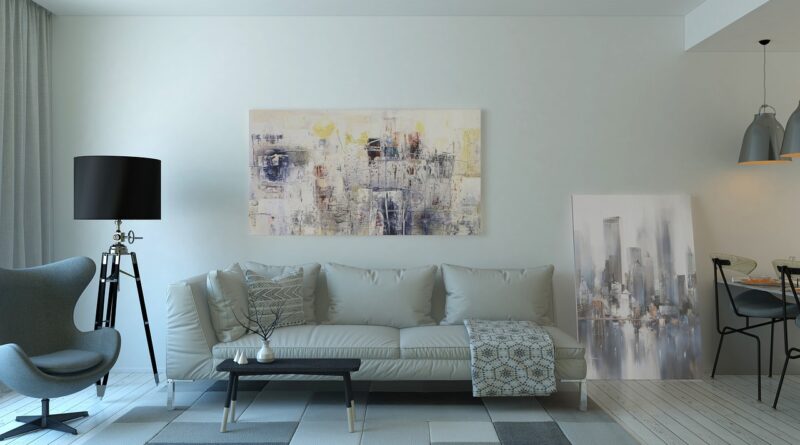
Every room needs one main thing for the eye to land on. It might be a fireplace, a large window, a textured wall, a low sofa with good art above it, or a long dining table under one good pendant. When there is no focal point, the eye keeps moving around the room. That is when a space can feel busy, even when the furniture cost a lot.
A Calm Material Palette
Three or four repeated materials often work better than ten finishes that do not speak to each other. You could use oak, linen, ceramic, and brushed metal, then bring them back in small places. A timber coffee table can connect with open shelving, and a ceramic lamp can pick up the kitchen tile. This kind of repetition is quiet, and it often makes the room feel better made.
How Should You Plan Space before Buying Furniture?
Space planning is where a room either feels easy to use or starts causing small problems every day. The U.S. Census Bureau reported in its 2025 Characteristics of New Housing, published July 1, 2026, that the median size of a completed single family home was 2,142 square feet, while the median size of a new single family home sold was 2,194 square feet. So the point is simple: even newer homes are not unlimited. Layout decisions still matter.
Measured Walkways and Door Swings
Before you buy a sofa, measure the route from the front door to the room, then measure the room itself. Try to keep main walkways around 30 to 36 inches where the space allows. Also check cabinet doors, appliance doors, and patio sliders before placing furniture. A chair that people trip over will not feel charming after the first week.
Right Sized Furniture Groups
A living room usually works better when the furniture is grouped for talking, not lined up against every wall. Keep seating and tables within easy reach, often around 16 to 18 inches. If the room is small, one deeper sofa may work better than several heavy chairs. Bigger does not always look better; balanced usually looks better.
Storage That Matches Real Habits
Storage should be close to the problem it is meant to fix. Put drawers for remotes near the sofa, trays near the entry, and closed storage for toys in the family room. That way the storage is used, not just admired. A simple rule is to make the easiest place the right place.
- Use open shelves only for items you can keep tidy.
- Choose closed cabinets for visual clutter.
- Put daily items between waist and eye level.
Which Colors and Materials Make Rooms Age Well?
Interiors that last are rarely based on one trend color. They usually start with a steady base, then use cushions, flowers, art, or small objects for changes by season. That does not mean the whole home has to be beige. It means the colors and textures should still feel right after the first excitement has worn off.
Neutral Base Colors with Character
Warm white, clay, mushroom, soft gray green, and muted sand can all work as base colors. The key is the undertone. A north facing room may need warmer paint, while a bright room can often take a cooler wall color. Paint a large sample and check it in the morning, afternoon, and evening, because small paint chips can mislead you.
Natural Textures You Can Touch
Texture gives a room depth when the color scheme stays quiet. Linen curtains, wool rugs, cane panels, honed stone, and matte wood each take light in a different way. In a bedroom, one textured headboard can do more than a stack of decorative pillows. In a kitchen, a handmade tile backsplash can make flat cabinet fronts feel less hard.
Durable Finishes in Busy Zones
Use stronger finishes where hands, water, shoes, and bags show up every day. Entry floors, kitchen counters, stair rails, and bathroom vanities need to handle use before they need to make a statement. A pale marble counter may look good in photos, for example, but a busy family kitchen may be easier with quartz, porcelain, or a sealed stone that deals with stains with less worry.
How Can Lighting Change the Whole Home Interior?
Lighting is one of the quickest ways to make a room look more complete. The U.S. Energy Information Administration reported through its Residential Energy Consumption Survey page, current in 2026, that 90 percent of U.S. households reported using LED bulbs, and 37 percent used LEDs for all indoor lighting. LEDs are now common in homes. The real design issue is where the light goes and whether the color feels right.
Layered Light for Each Task
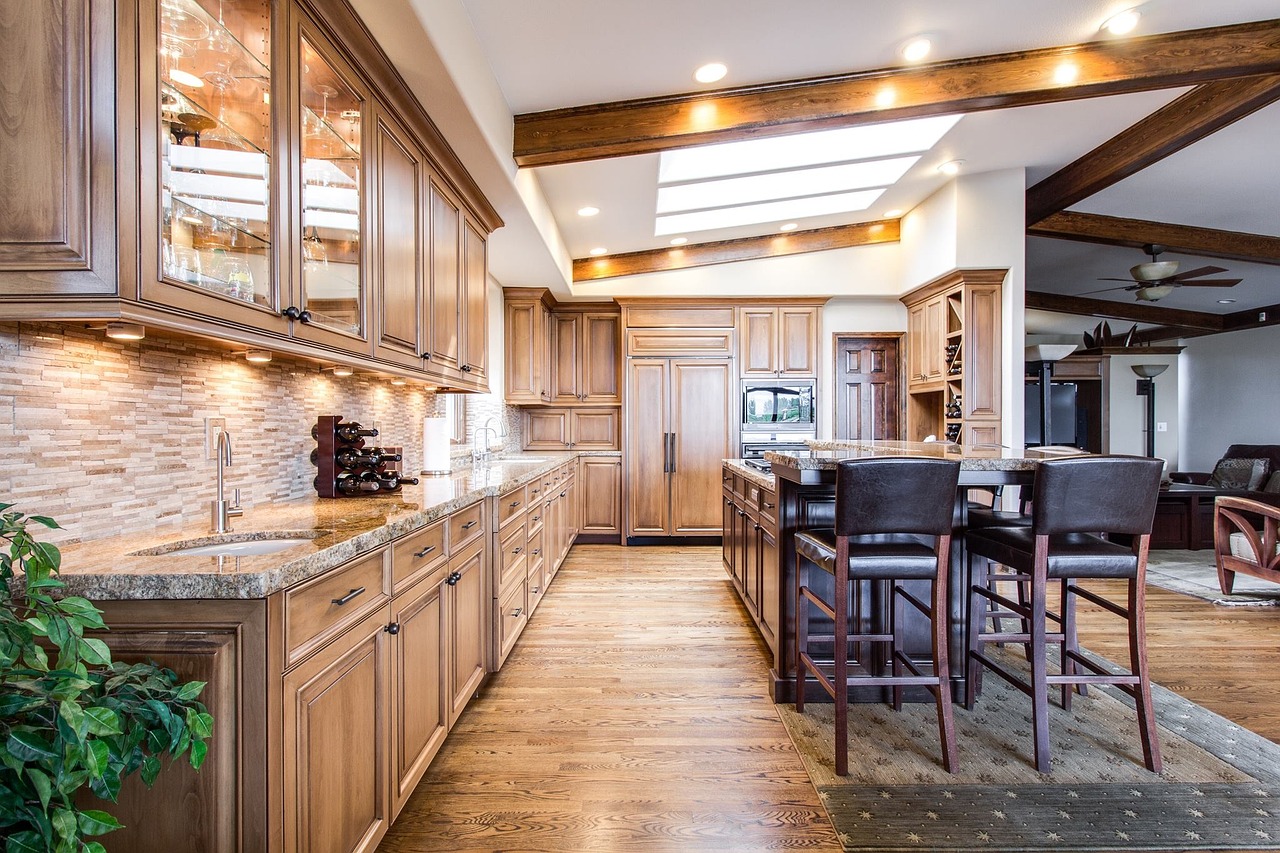
One ceiling fixture is rarely enough for a room that gets used in different ways. Use three layers when you can: general light, task light, and accent light. A kitchen may need recessed lights, under cabinet strips, and a pendant over the island. A bedroom may need a soft ceiling fixture, reading lamps, and one small dresser lamp for low evening light.
Warm Color Temperature at Night
For living rooms and bedrooms, many designers use warm white bulbs around 2700K to 3000K. Cooler light can be fine in garages, laundry rooms, and some task areas, but it can feel sharp in places meant for rest. If a room feels cold after dark, check the bulb before blaming the wall color. This small change often fixes more than people expect.
Daylight Control with Shades and Layout
Daylight should be managed, not blocked all day. Sheer curtains can cut glare in a living room, while lined shades can help a bedroom stay darker for sleep. When possible, place desks perpendicular to windows to reduce screen glare. It is a small move, but it can make daily work easier. Plants can also show you what the daylight is doing, often faster than an app. See also: Building Styles.
What Healthy Interior Choices Matter Most?
A good-looking room should not leave people feeling tired, stuffy, or irritated. The U.S. Environmental Protection Agency states on its Indoor Air Quality page, accessed in 2026, that Americans spend about 90 percent of their time indoors, and some indoor pollutant levels are often two to five times higher than typical outdoor levels. So healthy choices are part of the interior plan. They are not a separate item to think about later.
Ventilation before Fragrance
If a room smells stale, do not cover the smell first. Find out where it is coming from. Open windows when outdoor air is suitable, use bath and kitchen exhaust fans, and replace HVAC filters on a practical schedule. Scented candles can be nice, but they are not a ventilation system.
Low Emission Furnishings and Paint
Look for low VOC paints, water based finishes, and trusted product certifications when they are available. New rugs, cabinets, and upholstered pieces can give off odors after installation, so let rooms air out during the first few days. No reliable public data can name one perfect product for every home. For that reason, product labels and local code guidance still need to be checked.
Moisture Control in Kitchens and Baths
Moisture causes problems that decoration cannot hide for long. Use exhaust fans during showers and cooking, wipe standing water near sinks, and fix small leaks before they turn into repair work. In bathrooms, choose washable paint, sealed grout, and vanities that can handle humidity. A pretty bathroom with poor moisture control will age fast, and not in a good way.
Which Home Interior Trends Are Worth Keeping?
Trends are useful when they solve real home problems. They become a waste when they push a look that does not fit the house or the people living in it. The American Institute of Architects Home Design Trends Survey for Q2 2024 reported strong interest in aging in place, easier accessibility, outdoor living spaces, and blended indoor outdoor areas. These ideas are worth watching because they make daily use easier.
Flexible Rooms for Work and Rest
A flexible room does not need a fancy name. It can be a guest room with a wall desk, a dining nook with hidden charging, or a den with doors that close during calls. Choose furniture that can change roles without much effort. A slim console can work as a laptop station, and a storage ottoman can hold bedding when guests leave.
Aging in Place as Good Design
Aging in place is not only for older owners. Wider clearances, fewer trip points, better lighting, lever handles, and curbless showers help children, guests, and anyone carrying laundry too. The AIA Q2 2024 survey listed overall designs for aging in place at 62 percent on its popularity measure. That points to a practical long term direction, not just a short design cycle.
Indoor Outdoor Flow with Less Fuss
The same AIA Q2 2024 survey reported outdoor living spaces at 60 percent and blended indoor outdoor spaces at 51 percent on its popularity measure. For interiors, this can mean durable flooring near doors, easy seating by windows, and colors that connect inside rooms with patios or gardens. You do not need a full glass wall to get the benefit. Sometimes a well placed bench and good shade are enough.
FAQ
Q1: What Is the First Step in Designing a Home Interior? A: Start with daily use. Write down what happens in each room, where clutter collects, and which furniture pieces you already have. Then plan layout, storage, lighting, and color around those facts.
Q2: How Can You Make a Small Home Interior Feel Bigger? A: Use fewer large pieces instead of many small ones, keep walkways clear, repeat colors between rooms, and add layered lighting. Mirrors can help, but only when they reflect something worth seeing.
Q3: Which Home Interior Updates Give the Best Visual Impact? A: Paint, lighting, curtains hung higher, better rugs, and cleaner storage can change a room quickly. Built ins and new flooring can be stronger investments, but they need more budget and better planning.
Q4: How Do You Choose a Timeless Interior Color Palette? A: Pick a calm base color, test it in real light, and add depth through wood, textiles, stone, or ceramic. Keep bold colors for art, chairs, cushions, or small rooms where a stronger mood feels planned.
Q5: Should Every Room Have the Same Style? A: No. Rooms can have different moods, but they should share a few links, such as wood tone, metal finish, trim color, or textile texture. That keeps the home connected without making it feel copied from room to room.