
How Can Different Home Styles Interior Choices Make Your Home Feel Timeless?
Why Do Different Home Styles Interior Choices Matter So Much?
If you are looking for different home styles interior ideas, start with a basic rule I use on most projects: the style has to fit daily life, not just a saved photo. A good-looking room still needs to deal with shoes at the door, laptops on the table, cooking on weekends, pets, visitors, and quiet nights at home. For more room-by-room inspiration, visit the Home & Interior section and compare how finishes, furniture, and layouts work across real homes.
Your Home Style Shapes Daily Comfort
Interior style is not only about color and furniture. It decides how easy the home feels when people use it every day. The U.S. Bureau of Labor Statistics reported in its 2025 American Time Use Survey that 81% of people did household activities on an average day, spending about two hours on them. That number is a useful reminder that storage, wipeable surfaces, task lighting, and clear walkways are not small details. A farmhouse kitchen with deep drawers can support regular cooking. A minimalist apartment may be easier to manage with hidden storage and fewer items sitting on counters.
Your Interior Choices Affect Perceived Space
Small homes can still feel open when the interior language stays calm and consistent. In 2024, research reported by the National Association of Home Builders showed the average size of a newly constructed U.S. home had dropped to 2,479 square feet, the lowest level in 13 years. Buyers were still asking for strong features such as laundry rooms, patios, Energy Star windows, ceiling fans, hardwood flooring, and walk-in pantries. The point is simple: a home does not need to be huge to work well. It needs clear zones, good light, useful storage, and a style that supports the floor plan instead of working against it.
Your Design Helps Future Buyers Read the Home
Even if a sale is not on your mind now, a clear interior style helps other people understand a room quickly. The National Association of Realtors reported in its 2025 Profile of Home Staging that 83% of buyers’ agents said staging made it easier for buyers to picture a property as a future home. This does not mean every room should be plain or generic. It means the style should show how the space is meant to be used. A reading chair beside a window, a dining table in the right size, or a neat entry bench can make a room feel normal and useful, not random.
Which Interior Styles Work Best for Today’s Homes?
No single style works for every house. A sunny coastal house, a city condo, a craftsman bungalow, and a new suburban build all call for different choices. In practice, the better styles today have a few things in common: they are easy to live with, easy to adjust, and not tied too tightly to one short trend.
Modern Style for Clean Lines and Open Rooms
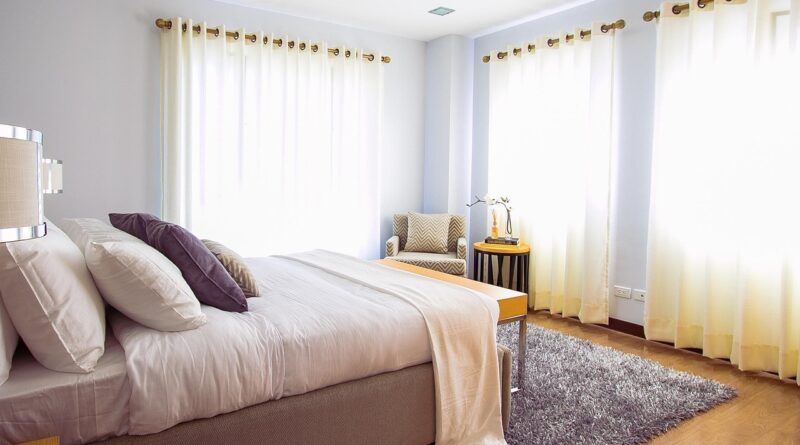
Modern interiors make sense when you like simple shapes, open views, and rooms that feel less busy. Typical choices include low-profile sofas, smooth cabinets, pale walls, black or brushed metal details, and fewer decorative objects. This style works well in open-plan spaces because furniture and lighting can mark each area without adding too much visual noise. A modern living room does not have to feel cold. Wood, wool, linen, and soft white lamps can bring in enough warmth without turning the room into a gray box.
Traditional Style for Detail and Familiar Warmth
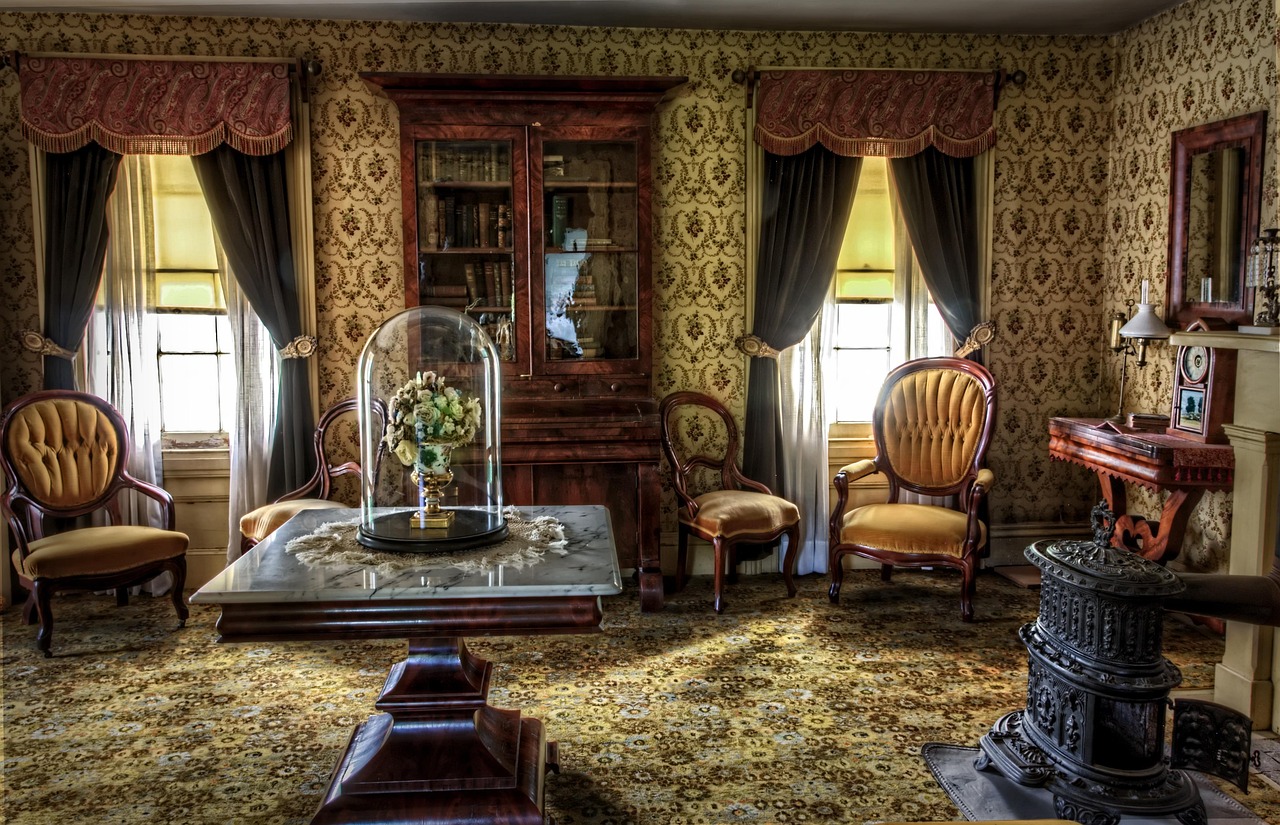
Traditional interiors fit homes with moldings, fireplaces, paneled doors, or more formal room layouts. They often use balanced furniture pairs, classic rugs, wood tables, framed art, and layered window treatments. You do not need heavy curtains or dark colors to make this style work. A lighter traditional room with a navy sofa, antique-style side table, brass lamp, and patterned rug can look finished while still feeling comfortable. It is a steady choice when you want rooms that do not age too fast.
Transitional Style for Flexible Family Living
Transitional design sits between modern and traditional. It is often the easiest choice for busy homes because it allows clean lines, soft fabrics, classic wood, and simple decorative details in the same room. Think about shaker cabinets, quartz counters, woven stools, neutral walls, and a vintage runner. None of these pieces needs to shout, but together they keep the room from feeling flat. If you are not sure which direction to take, transitional style is usually a practical middle path.
How Can You Match Interior Style to Architecture?
The exterior and interior do not need to match in a strict way, but they should not feel like two unrelated projects. A Tudor home can take modern furniture, but the result usually works better when some weight, texture, and craft remain inside. A glassy modern house can use antiques too, though too many ornate pieces may look like they came from another home.
Respect the Lines of the House
Start with the bones of the house. Look at ceiling height, window shape, door trim, stair details, and room size before choosing furniture. A craftsman home often looks right with warm wood, built-ins, earthy colors, and handmade textures. A mid-century house usually handles low seating, slim legs, walnut, and large art very well. A colonial home can carry symmetry and classic furniture better than a tiny loft can. Let the architecture make the first call, then bring in style choices around it.
Use Materials That Feel Believable
Materials show the direction of a room very quickly. Rustic beams, stone floors, limewash walls, terrazzo, rattan, chrome, oak, and marble all bring a different feel. If a room has original oak floors, you can repeat that warmth in shelves or picture frames. If the home is new and simple, texture matters more because there are fewer old details doing the work. A boucle chair, jute rug, or matte tile can add depth without making the space feel crowded.
Keep One Clear Bridge Between Old and New
Mixing styles works better when one thing connects the room. It may be color, material, scale, or shape. For example, a traditional dining room can take modern black chairs if the chandelier, picture frames, and cabinet hardware also use black. A modern bedroom can handle a carved vintage bench if the wood tone appears again in the nightstands. One bridge is usually enough. Too many pieces that almost match can make the room feel like a rushed furniture delivery.
What Colors and Materials Make Each Style Feel Right?
Color and material choices are where most style decisions start to show. Paint is easier to change than flooring or cabinets, so choose the fixed materials first. After that, use wall color, fabric, and small decor to support the larger pieces.
Neutral Palettes for Long-Term Flexibility
Neutral does not mean empty or dull. Cream, warm white, greige, mushroom, clay, taupe, soft black, and natural wood can give many interior styles a stable base. This helps if you like changing pillows, art, or bedding from season to season. Undertone is the detail to watch. A cool white beside orange oak can look sharp in the wrong way. A warm white beside the same floor usually sits better. Test paint on more than one wall before making the final call.
Natural Textures for Warmth and Depth
Natural texture helps almost every home style feel more lived in. Linen curtains soften modern rooms, and wool rugs reduce echo in open living areas. Stone, cane, leather, clay, and wood add small marks and uneven surfaces that make a home feel less staged. The U.S. Energy Information Administration reported in December 2023 that the average U.S. household uses about 10,500 kilowatt-hours of electricity per year, with air conditioning, space heating, and water heating as major uses in 2020 data. Window coverings, rugs, and good material choices cannot replace proper systems, but they can make rooms feel more comfortable during normal use.
Accent Colors for Personality Without Regret
Use strong colors in places that are easy to change. A deep green powder room, terracotta cushions, blue dining chairs, or a mustard throw can add personality without taking over the whole house. For costly pieces, it is safer to stay steadier unless you truly like the color long term. A red sofa may be perfect for one owner and tiring for another. Smaller accents let you test the feel before you spend money on a bigger change. See also: Building Styles.
How Do You Mix Different Interior Styles Without Clutter?
Most real homes are not pure modern, pure coastal, or pure traditional. They are a mix of gifts, travel finds, older furniture, sale items, family needs, and things bought fast before guests came over. That is normal in a working home. The aim is not a perfect showroom look. The aim is a room that feels checked, used, and edited.
Limit the Main Styles to Two
Choose one main style and one support style. Modern farmhouse works when modern lines keep the room current and farmhouse texture adds warmth. Coastal traditional works when classic furniture sits with breezy fabrics and pale blues. Industrial bohemian can work, but only if you control the palette, because metal, brick, pattern, and plants can become loud very quickly. Two styles give the room range. Four styles often make it hard to understand what the room is trying to do.
Repeat Finishes Across the Room
Repetition makes mixed interiors look planned. If your kitchen has black hardware, repeat black in bar stools, a pendant, or a framed print. If the living room has warm oak, repeat that tone in a tray, chair legs, or shelving. The pieces do not need to match exactly. In fact, exact matching can look stiff. Finishes that are close in tone usually feel more natural in a real home.
Edit Decor Before Buying More
Before buying new pieces, remove a few items first. It sounds basic, but it works in many rooms. Take away the extra side table, half the small decor, or the rug that fights the sofa. Then look again and decide what the room actually needs. Maybe it is not another object. It may be a taller lamp, larger art, better curtain height, or a clearer path from the kitchen to the seating area. A room often improves when it gets some breathing room.
What Practical Details Make a Stylish Home Easier to Live In?
Good style only lasts if it can handle normal life. A room may look nice in photos and still annoy you every day if the lights glare, the sofa fabric stains, or there is nowhere to set down keys. Practical details are not boring. They are what keep the home feeling right after the first week is over.
Lighting Layers for Mood and Function
Use three lighting layers: general light, task light, and accent light. A kitchen needs ceiling light, under-cabinet light, and softer pendants or sconces. A bedroom needs bedside lamps as much as overhead lighting. Dimmers help because one room often has more than one job. Bright light for cleaning at 10 a.m. can feel rough during a quiet movie at 9 p.m. It is a small upgrade, but people notice it every day.
Storage That Matches Real Habits
Storage should match what people actually do, not what looks tidy in a photo. If shoes pile up at the entry, a narrow cabinet is usually more useful than a decorative console. If kids do homework at the dining table, closed storage nearby helps more than another vase. NAHB’s 2024 buyer preference research placed laundry rooms, garage storage, walk-in pantries, and kitchen table space among features that at least 80% of surveyed buyers rated essential or desirable. People want beauty, of course, but they also want a place for the messy things that come with daily life.
Durable Finishes for Everyday Wear
Durability depends on who lives in the home and how the rooms are used. A quiet apartment may be fine with delicate marble and pale upholstery. A home with children, dogs, and frequent guests may need performance fabric, washable paint, porcelain tile, and mid-tone floors that hide dust better than glossy black or pure white. If you cook often, check how cabinet finishes clean before choosing them. If you entertain outside, pick indoor colors that connect with the patio so the shift from inside to outside feels easy.
FAQ
Q1: What Is the Easiest Interior Style to Start With? A: Transitional style is often the easiest because it blends clean lines with classic comfort. You can use neutral walls, simple sofas, wood furniture, and a few traditional details without making the room feel too formal.
Q2: Can You Mix Modern and Traditional Interior Styles? A: Yes. Keep one style dominant, then repeat colors or finishes to connect both. A traditional room can use modern lighting if the metal finish appears elsewhere in the space.
Q3: Which Interior Style Is Best for Resale? A: A clean transitional look is usually safer for resale because it helps buyers picture their own furniture in the home. Avoid highly personal permanent choices unless they truly fit the architecture.
Q4: How Many Colors Should One Room Have? A: Most rooms feel balanced with one main neutral, one support color, and one accent. You can add texture through wood, fabric, stone, or metal instead of adding more paint colors.
Q5: Should Every Room in a Home Use the Same Style? A: Not exactly. Rooms can have different moods, but they should share a few links, such as flooring, trim color, wood tone, or hardware finish. That keeps the whole home connected.