
Is Minimalism Truly Over in 2026 Home Interior Trends
Is Minimalism Truly Over in 2026 Home Interior Trends?
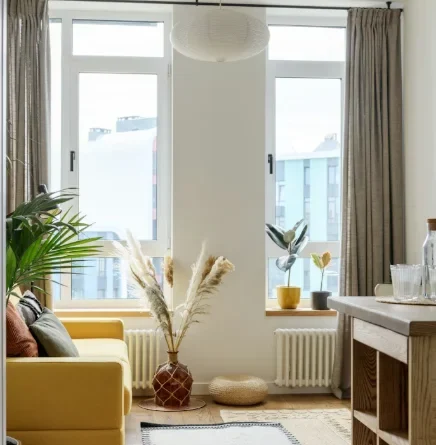
The time of plain minimalism that ruled home interior design is ending quickly. Experts say that by 2026, houses will show more character, bright colors, and varied textures than before. The plain white walls and bare rooms from the past ten years are going away. Instead, people want layered looks that share stories about the families inside. This change comes from more than just getting tired of old styles. It matches bigger shifts in society toward being unique and feeling cozy. For example, in a typical family home, you might see a mix of old photos and new plants that make the space feel alive, not empty.
Shifts in Design Preferences
Increasing Popularity of Maximalism
The calm style of minimalism is losing ground to maximalism’s lively use of many items. Homes will soon have lively artwork, different patterns, and assorted items. Maximalist design avoids mess. It focuses on careful stacking of things that matter or bring happiness. Experts call this “living nicely with stuff you care about.” This idea feels warmer and more touching than the strict plainness of minimalism. Take a living room: picture walls with colorful rugs and shelves full of books from travels. It adds a personal touch that draws people in.
Revival of Retro and Vintage Styles
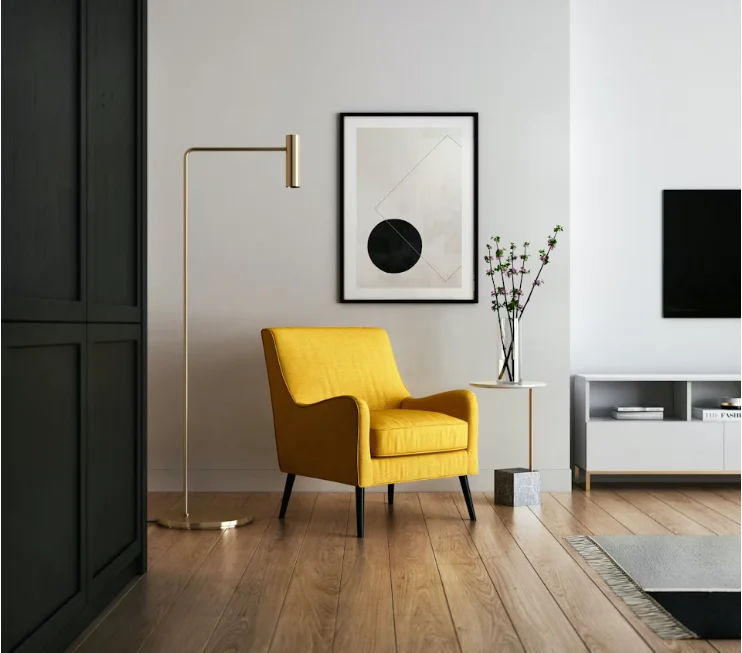
Old styles from the 1970s and 1980s are coming back strong in home interior trends for 2026. Imagine soft velvet sofas, curved chairs, and color schemes like warm orange or soft green. These old items do more than decorate. They add realness and help the planet by reusing sturdy pieces from years ago. Many experts point out that these old touches bring a cozy feel and layers to fresh rooms. In one case, a designer in New York mixed a vintage lamp with modern shelves, creating a space that feels timeless yet current.
Emphasis on Personal Expression
Houses now mirror who lives there, not just follow set rules. The trend pushes mixing styles. For instance, pair sleek lights with old tables, or hang bright art next to family treasures. This way of showing yourself lets rooms grow bit by bit. They don’t need to be all done right away. It’s like how a home changes with life’s ups and downs, adding little memories along the way.
What Are the Emerging Color Palettes for 2026?
Ideas about how colors affect feelings still guide choices in home interiors. By 2026, color picks will leave behind dull shades. They will turn to stronger, more lively colors that boost energy in rooms. At the same time, they keep a sense of peace. Think about a kitchen where deep blue cabinets meet light wood counters. It wakes up the space without chaos.
Bold and Vibrant Color Choices
Dominance of Jewel Tones
Rich green like emeralds, deep blue like sapphires, and purple like amethysts will lead the color choices. These full shades bring class without too much weight. Balance them with light neutrals or shiny metals. Jewel tones fit best in spots like living rooms or dining areas. There, setting the right mood counts a lot. One popular setup uses emerald pillows on a cream sofa, making evenings feel special.
Use of Contrasting Shades
Experts expect bigger differences between dark and light colors. Navy with cream works well. Terracotta next to soft pink does too. This mix of opposites creates exciting views that stay together. It highlights building features, such as edges or small nooks. In a hallway, for example, dark walls against light floors guide the eye naturally.
Return to Earthy and Natural Hues
Even with strong colors rising, natural shades stay key for steadying rooms. Warm browns, soft greens, and red like clay link homes to the outdoors. This nature theme runs through many design stories now. These colors pair nicely with real stuff like wood or cloth. Picture a bedroom with clay walls and wooden beds. It feels grounded, almost like being in a forest cabin.
How Are Textures and Materials Evolving?
Feel of surfaces matters as much as color for the mood in home interior spots. In 2026, look for a mix of touchable layers and eye-catching details on all sides. Sometimes, a rough stone wall next to smooth fabric can change how a room welcomes you.
Exploration of Diverse Textures
Incorporation of Luxurious Fabrics
Soft velvet, smooth silk mixes, and fluffy boucle covers are popular once more. They offer ease and grace. These fabrics turn basic chairs into main attractions. They also boost the sense of touch, which busy lives with screens need more of. In a cozy den, a velvet chair invites long chats.
Adoption of Raw and Organic Materials
Real stone for counters, reused wood for floors, woven rattan chairs, and clay walls show love for natural flaws. Each item stands out because of its small differences. This fits with green ideas that shape today’s designs. Designers often share stories of finding old wood beams at local mills, turning waste into home gems.
Fusion of Traditional and Modern Elements
Combining shiny metal stands with handmade cloths shows how old skills meet new ideas in 2026 rooms. This mixed look connects old and young tastes. It draws in those who value family history and those who like gadgets. For instance, a modern glass table with a woven runner feels both fresh and familiar.
What Role Does Technology Play in 2026 Interiors?
Tech keeps changing how we use living areas. It acts as a built-in part of design. This boosts ease and smart use. Not just extras, these tools fit right into daily routines. Interestingly, some homes now have lights that mimic sunsets, easing the end of the day.
Integration of Smart Home Features
Advancements in Home Automation Systems
Systems you control with your voice now change light levels by the hour or what you’re doing. Smart temperature controls learn what you like. They save power too. This mix of handy features and care for the earth makes sense. In a busy household, it means less fuss with switches.
Use of Virtual Reality for Interior Planning
Tools with virtual reality let people see room setups before buying anything real. Experts use these to try out chair spots or light plays. You can interact with them. This cuts down on mistakes that waste time and money. A client might walk through a digital kitchen, spotting issues early.
Smart Furniture with Multifunctional Uses
New furniture ideas are growing fast. Tables that charge phones without cords. Sofas with supports that adjust for your back. Closets with built-in dryness helpers for clothes. These all-in-one pieces show how tech blends into normal days. They keep style intact. Picture charging your device while reading on a smart ottoman.
How Is Sustainability Influencing Interior Design?
Being kind to the earth guides every part of planning home interiors into 2026. People who care about green living want clear facts on where things come from, what they’re made of, and how long they last. It’s not just talk; surveys show 70% of buyers check eco-labels now.
Focus on Eco-Friendly Practices
Use of Recycled and Upcycled Materials
Old wood beams or glass tiles made from scraps lower harm to nature. They also bring unique marks from their past, proving nice looks don’t need brand-new items. In a bathroom redo, recycled tiles can tell a story of reuse.
Implementation of Energy-Efficient Solutions
Lights with LEDs plus sensors that turn on with movement slash power use a lot. They keep the glow just right inside. Windows that save heat help control warmth all year. One home cut bills by 30% with these simple swaps.
Promotion of Sustainable Sourcing
Experts team up more with nearby makers who use safe-gathered stuff. From bamboo walls checked by FSC to potters with green glazes, this cuts travel pollution. It builds trust in the supply chain. Local partnerships often lead to custom pieces that fit perfectly.
Are Open Spaces Still Relevant in 2026 Interiors?
Open layouts won’t vanish completely. But they are changing to fit better after the pandemic. People want links between areas plus private spots. This balance suits hybrid work and family time.
Evolution of Open Floor Plans
Blurring Boundaries Between Indoor and Outdoor Spaces
Glass doors that slide to patios show how buildings now mix outside nature with inside life. It stretches living areas past usual walls. Yet it keeps a close feel indoors. On a sunny afternoon, this setup turns a kitchen into an outdoor feast spot.
Creation of Flexible Living Areas
Movable walls or shelves on wheels let you switch setups fast. Use one for office work on weekdays. Change it for friends on weekends. This answers shifting home patterns well. Families with kids find it handy for play and study zones.
Incorporation of Privacy Solutions
Sound-absorbing panels that look like art or pull-out dividers fix noise issues in open spots. They keep the wide view. This mix is something many owners like these days. In shared homes, it means quiet calls without closing doors.
What Are the Key Furniture Trends for 2026?
Chairs and tables shape how fast life feels in a home more than anything else. Their changes match what society values now: ease, personal tweaks, and skilled making all at once. A well-chosen piece can make a small apartment feel grand.
Innovations in Furniture Design
Rise of Modular and Customizable Pieces
Shelves you can adjust for any room show how flexible ideas lead future lines. They suit city folks who move often or have tight spaces. One set might start in a bedroom, then shift to a study. This builds lasting value.
Preference for Artisan and Handcrafted Items
Hand-shaped clay tables, braided light covers, and carved wood seats all highlight fresh care for craft. Mass-made goods lost that human spark. These add heart to homes full of screens and tools. Buying from a local woodworker often means a piece with its own quirks.
Focus on Comfort and Functionality
Seats built for body fit, thick pads, and big sizes show the push for rest. After years of looks over feel, comfort takes the lead now. In every smart home setup, it sits at the heart. Curl up on a deep armchair after a long day, and you get why.
FAQ
Q1: Why is minimalism declining in popularity?
A: Homeowners want warmth, character, stories, and layers now. Plain minimalism gives little emotional pull. New styles that express more are growing fast around the world.
Q2: Which colors define the 2026 palette?
A: Jewel tones, natural neutrals, and opposite shades lead. They mix energy, steadiness, and ties to nature all at once.
Q3: How does technology influence furniture design?
A: It adds smart parts like cordless charging, body-adjusting supports, and multi-use storage. This weaves new ideas into daily routines smoothly.
Q4: What sustainable materials are trending?
A: Reclaimed wood, recycled metals, bamboo, and ceramics from green ways top the list. They set new marks for earth-friendly supplies in the field.
Q5: Are open floor plans still desirable?
A: Yes, but updated with movable walls and sound fixes. This gives private spots and changes easily. It matches shifting home ways while keeping the open appeal.