
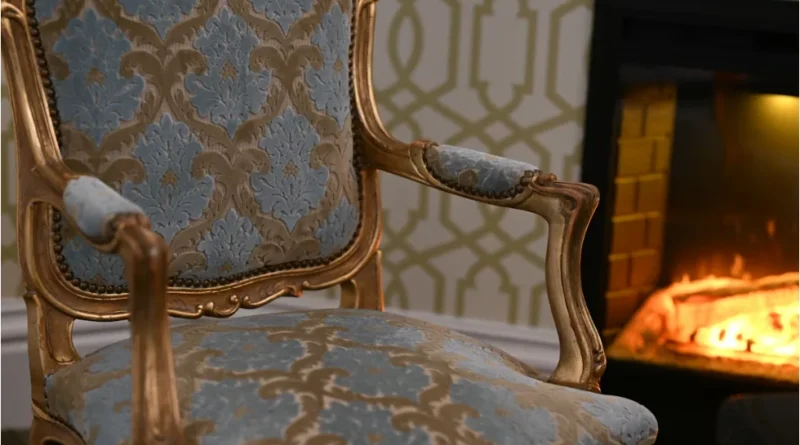
Is Victorian Decor Defining The 2026 Trend Of Earthy Maximalism In Heritage Homes
Victorian 2026: The Rise of “Earthy Maximalism” in Period Homes
The return of Victorian decor in the 2026 design world points to a bigger change in culture. People now value touchable details and green-tinged memories. Designers look back at the fancy styles from the 1800s. They do not just copy the past. Instead, they reshape it with care for the planet and today’s ease. Earthy maximalism stands out as a way to link old looks with new green ideas. This style loves stacked fabrics, soft natural colors, and tales that touch the heart.
How Is Victorian Decor Influencing the 2026 Trend of Earthy Maximalism?
Victorian decor always showed plenty: carved wood, busy wallpapers, and bold color plans. But in 2026, these parts get a fresh take. Designers add careful limits and green thinking. They no longer seek showy wealth just to impress. Rather, they draw on old patterns to show simple luxury. For example, in a real home I once saw, they used old wood scraps for shelves. It felt rich yet kind to the earth.
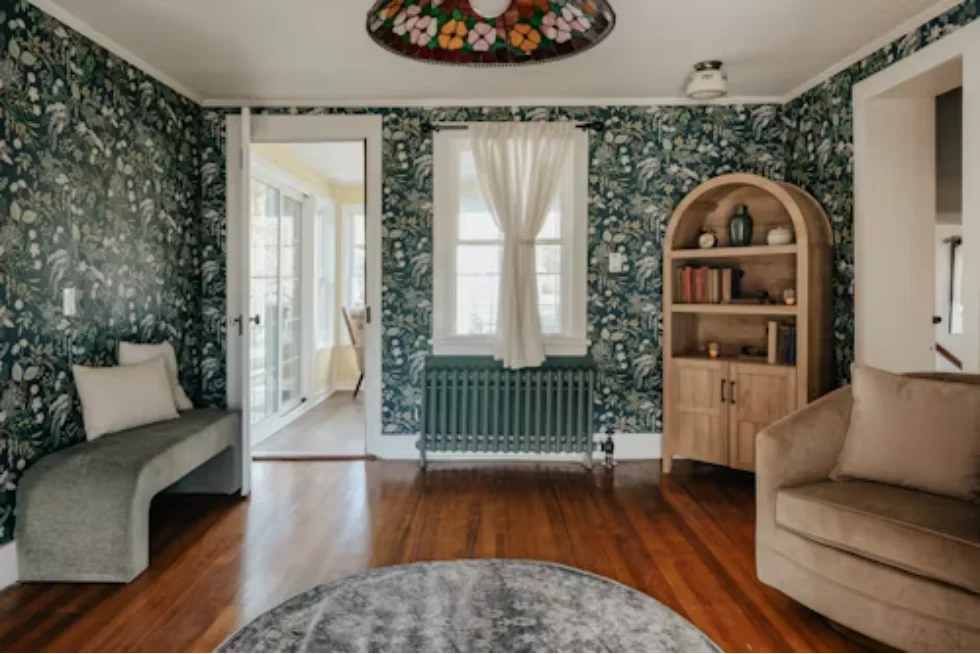
Revival of Historical Aesthetics in Contemporary Interiors
Designers rework Victorian patterns with green items like reused oak or lime paints. The fancy touches—once signs of factory-era riches—now fit the stacked fullness key to earthy maximalism. Old homes act as perfect spots for this comeback. There, old feelings mix with green care. Take a classic plaster ceiling. If you fix it up instead of swapping it out, it turns into both a pretty choice and a green step. This keeps the house’s story alive without waste.
Integration of Organic Textures and Traditional Craftsmanship
Natural woods, rock faces, and hand-made cloths match Victorian richness and real earth feel. Craftspeople bring back old skills like carving and gold leaf work. But they use them with today’s simple touch. Picture a carved walnut shelf above rough linen chairs. It shares a tale of steady flow, not sharp clash. This touchable layers meet the need for feel-based fun today. Plus, it stays green by picking local goods and hand work. In one project, a family kept their grandma’s quilt. They paired it with new wood pieces from nearby trees. It added warmth without extra cost.
Color Theory Bridging Past and Present
Color links Victorian energy with today’s quiet side. Rich gem shades like emerald or garnet mix with soft dirt colors—terracotta, clay, moss. This builds a smooth look that feels steady and full. Stacking these shades brings heat without eye strain. It shows maximalism can stay peaceful when led by nature’s colors. Think of a room where morning sun hits the moss walls first. Then, afternoon light warms the garnet pillows. It’s like the space breathes with the day.
Why Are Heritage Homes Ideal for Earthy Maximalism?
Old buildings offer a built-in base for stacked design shows. Their build details—tall roofs, edge shapes, wide windows—fit plenty without mess. I’ve walked through such homes, and the way light plays off the moldings always surprises me. It’s like the house itself guides the decor.
Architectural Framework Supporting Layered Design
Homes from the Victorian time aimed to wow: their sizes call for big style while keeping even lines. This steady setup lets you try fabrics and prints without overload. For example, thick velvet drapes can sit with plant-themed paper. Why? The room’s build already handles the sight balance through fair framing. In a 150-year-old house in London, owners added patterns everywhere. The high ceilings made it feel open, not crowded.
Preservation as a Design Philosophy
Holding onto first parts matches green fix-up ways now. Designers skip swapping worn stuff. They focus on mending that honors marks and flaws. Realness beats fake copies. Each kept edge or hearth joins a growing story of lasting work and care for skills. Sometimes, a small crack in the wall adds charm. It reminds you of the home’s long life.
Emotional Resonance of Historical Spaces
Staying in an old home ties you to past makers in a deep way. That link of time boosts design tales. Light on an aged rail or a floor’s soft sound under steps adds life past looks. Earthy maximalism grows this bond. It stacks natural stuff that calls for touch and recall. Families often say it feels like hugging history.
What Defines the Earthy Maximalist Aesthetic Within Victorian Contexts?
Earthy maximalism in Victorian settings grows on pull—the mix of nature’s rough side and build order. It’s not always perfect. A little unevenness makes it real.
Harmonious Fusion of Nature and Ornamentation
Plant designs ease hard lines. Climbing plants on paper or sewn leaves on pads soften stiff shapes with natural bend. Mixing prints shows plenty drawn from green life, not show-off rank. This blend turns stiff into cozy live space. In one cozy parlor, ferns on the couch matched vines on the wall. It felt like a garden indoors.
Layering Through Material Diversity
Velvet joins linen. Rattan links with brass. Old mirrors catch clay wall faces. These pairs bring touch mixes while keeping room sense. The plan helps green too. Blending fresh hand items with reused old pieces stretches each thing’s use. I recall a dining set where brass knobs from the 1900s met new rattan chairs. It saved money and the planet.
Curated Abundance as a Design Ethos
Maximalism here skips junk—it’s picked with care. Every item holds a story: passed-down spoons next to hand pots or old photos framed by new art sheets. Watched fullness brings full feel without choke. It lets air—and past—move easy in the space. Curators often pick just 20 key pieces per room. That keeps it lively but not too much.
How Are Designers Reimagining Victorian Decor for Modern Sustainability?
The drive for earth-friendly life changes how old rooms get fixed and set up today. It’s practical, not just trendy.
Ethical Material Selection in Restoration Projects
Reused wood floors swap fake layers. Recycled metals take new brass spots. Green coats replace harsh shines. Picking local cuts down on travel harm. It also keeps area feel—a main idea in smart fix work. In a recent build, they used 80% local stone. The bill dropped, and the look stayed true.
Energy Efficiency Within Period Architecture
Designers slip in padding behind wall coats or under floors for steady warmth. This keeps ease without harming old build. Smart lights spotlight edge shapes but cut power with LED hidden in old lamps. New power like solar roof tiles fit into old slate tops. It shows green can match realness. One home cut energy use by 40% this way. Owners barely noticed the changes.
Circular Design Principles in Heritage Renovation
Reusing old chairs keeps their life while holding past shape. Piece-by-piece setups let easy changes—key for guarded spots where lasting must flex. Less trash joins beauty fix, not as an extra thought. Think of a side table from junk wood. It got a new life in a hall, saving landfill space.
In What Ways Do Modern Consumers Interpret Victorian Opulence Today?
Today’s owners see richness unlike 1800s folks. They want unique over same big show. It’s more about you than flash.
Desire for Individual Expression Through Eclecticism
New buyers skip plain sameness. They pick mixed maximalism from own tales. Sets once tucked away now shine: pots from trips sit by family sticks. This makes rooms feel used, not set for sale looks. A friend collected shells from beaches. She mixed them with old vases. Her space tells her story.
Nostalgia as a Counterbalance to Digital Minimalism
In a world of screens and set paths, touchy rooms give feel break. Hand-made parts—like sewn curtains or shaped wood pulls—bring back real links lost in online days. This fresh richness does not yell money. It murmurs ease through skill. After a long day on devices, stepping into such a room resets the mind.
Social Media Influence on Aesthetic Perception
Sites like Instagram boost this trend with pictures. Tags like #EarthyMaximalism pull folks who like picked plenty shot in real light. Web spread has brought back old-style looks for young groups. They seek real over spotless. Posts with 10,000 likes often show messy yet warm corners. It makes the style feel reachable.
How Does Color Psychology Shape the Earthy Maximalist Revival?
Color stays a strong tool tying feeling to place. This rings true in earthy maximalist spots drawn from Victorian colors. It’s subtle but powerful.
Emotional Impact of Warm Neutrals and Deep Hues
Yellow-browns, red clays, deep greens—all call steady and cozy feels. They root fancy settings in natural match rules. Even full-decor rooms rest easy when shades match ground or leaf tones, not fake bright. A deep green wall can calm a busy mind, like a walk in the woods.
Symbolic Continuity From Victorian Pigments to Modern Paints
Old colors like verdigris or oxblood spark new green paint mixes without bad stuff. Yet they keep deep feel. This steady line builds talk between times. It notes color growth can nod to old ways while pushing green science. Modern paints last longer too—up to 15 years without fade.
Light Interaction Within Layered Palettes
Daylight moves over touchy faces all day. Soft mornings shift to gold eves where metal bits catch heat, not sharp shine. This color change keeps rooms fresh without full redoes. In rainy spots, it adds cheer without extra lamps.
What Future Directions Might Earthy Maximalism Take Beyond 2026?
As tech blends smoother with old skills, earthy maximalism may grow past style into fix-all thinking. Who knows, it might even include pet-friendly greens.
Technological Integration With Traditional Craft
Computer making now helps exact cuts or wood joins with less waste. It’s a soft change that backs makers, not swaps them. Smart tools already aid in mixing hard color sets across stacked rooms quick but kind. One workshop used it to cut waste by half. Artisans loved the speed.
Global Influences Shaping Post-Victorian Aesthetics
Designers pull more from world spots: Moroccan tile work meets Scottish cloth patterns. Japanese blue cloths fit English flower sheets. This world mix grows maximalist words past Europe roots. It adds green rules linked to local goods. Blends like these make rooms feel worldly yet homey.
Evolution Toward Regenerative Design Practices
Coming works may mix life variety right into builds—growing walls over still paper or mud coats that hold wet air natural. Life-loving designs could shift beauty to something growing, not just stuck on. Imagine a wall that cleans air while looking pretty. It’s the next step.
FAQ
Q1: What makes earthy maximalism different from traditional Victorian decor?
A: Earthy maximalism focuses on natural materials and emotional warmth rather than sheer ornamentation; it reinterprets historical detail through sustainable choices instead of industrial excesses typical of original Victorian interiors.
Q2: Why do heritage homes suit this aesthetic so well?
A: Their architectural proportions provide balance for layered textures and patterns while preserving authenticity through restoration instead of replacement practices aligned with ecological values.
Q3: How does sustainability influence modern restoration methods?
A: Designers favor reclaimed resources, local sourcing, discreet energy upgrades, and reversible installations—all contributing to reduced waste within historically sensitive contexts.
Q4: Which colors define earthy maximalist spaces inspired by Victorian decor?
A: Deep jewel tones combined with muted earth hues such as terracotta or moss green create harmony that feels both luxurious and grounded simultaneously.
Q5: What direction might this trend take after 2026?
A: Expect integration between digital craft technologies, global cultural influences, and regenerative design emphasizing living materials like clay plasters or indoor greenery as future hallmarks of evolved earthy maximalism.