
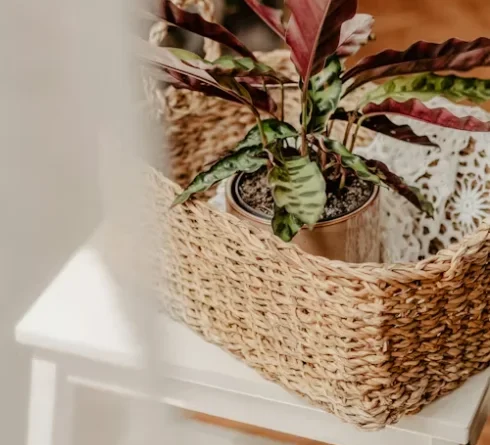
Is Bohemian Style Decor Evolving Into The Refined Boho 2.0 Trend For 2026
What Defines the Shift From Traditional Bohemian Style Decor to Boho 2.0?
Boho 2.0 marks a smart step forward in bohemian style decor. It blends the wild mix of old-school bohemia with a fresh touch of polish. Picture bohemianism all grown up. It keeps its heartfelt and imaginative side. But now, it follows clear purpose and even balance. This change reflects bigger shifts in how people live. They focus on being present, caring for the planet, and making designs that last.
The Evolution From Eclectic Layers to Curated Sophistication
Old bohemian rooms loved lots of visual stuff. They piled up fabrics, bright designs, and random items from around the world. There were hardly any rules. Boho 2.0 goes for control and unity instead. You won’t see random piles anymore. Now, there are picked-out setups that share a tale with just a few key items. The messy appeal fades. It makes room for smooth feels like linen, wool, and plain pottery. These work together nicely. They don’t fight for attention. So, it’s not about grabbing more things. It’s about putting them together well.
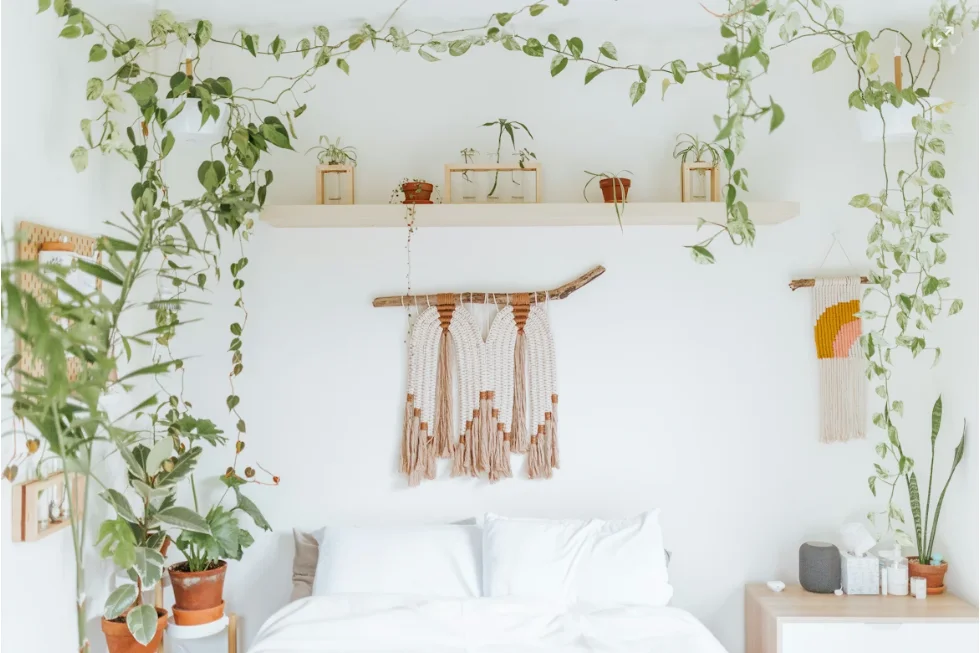
The Influence of Contemporary Minimalism on Boho Aesthetics
Simple living has changed views on bohemian spots. Straight edges, wide-open areas, and basic shapes bring clearness to what used to be too busy. But bohemia’s heart stays strong. It shows up in handmade work. Think of twisted baskets, crafted pots, or bumpy plaster walls. These add a real human feel to bare rooms. This mix makes what experts call “warm minimalism.” The space feels peaceful. Yet it holds onto its own vibe. For instance, in a small city apartment I once saw, a single woven rug grounded the simple white walls without overwhelming the view.
The Role of Global Design Narratives in the Boho Transformation
Ideas from other countries still shape bohemian style decor. But now, it’s done with real care. Designers skip showy displays or mixed-up cultural bits. They aim for true roots. They use old materials like Moroccan tadelakt or Indian khadi cotton. And they do it in ways that honor where they come from. This way values skilled making over flashy shows. It builds rooms that link to the world. Yet they feel tied to home soil. Take a look at how one designer in London used just a few khadi throws to warm up a neutral living area—simple, respectful, and connected.
How Are Material Choices Redefining the Refined Boho 2.0 Look?
Choices of stuff form the center of this change. Every bit of surface, thread, and coating adds to a feel you can sense. It mixes rough appeal with sleek shine.
Natural Textures and Sustainable Materials as Core Elements
Plain fibers like jute, hemp, and raw cotton lead in new boho rooms. They offer a cozy touch. But they don’t crowd the eye. Used wood pieces for tables or chairs share tales of time and wear. Plus, they fit with green goals that many folks care about these days. Clay wall covers or limewash paints bring layers through feel, not bold shades. It’s a quiet tip to nature’s flaws. In real homes, like those in eco-villages, these materials cut down on waste—say, reusing old barn wood for shelves that last 20 years or more.
The Emergence of Luxury Finishes Within Bohemian Spaces
Boho 2.0 slips in soft high-end touches to its ground roots. Stone tops pair with rough wood tables. Metal lights go with twisted lamps. Soft pillows ease woven seats. These mixes make a pull that looks easy yet lifted. The end is ease thought anew. It’s not just laid-back. It’s shaped with care for small things. I recall a cozy den where brass handles on a linen cabinet added that subtle glow, turning everyday into something special without trying too hard.
Neutral Color Palettes With Accents of Earthy Elegance
Shades in smooth bohemian rooms have moved from wild bursts to gentle peace. Beige, brown-gray, soft gray, and golden-brown build the main set. Touches come in lightly. They show up in clay pots with warm reds or hand-made blankets colored by plant dyes. This plain plan lets light move freely. It keeps a lively natural spark. Designers often pick these for their calm—think of a bedroom where ochre pillows pop against white sheets, creating rest without fuss.
Why Is Refinement Becoming Central to Bohemian Interior Design?
Smoothness isn’t about being cold. It’s about clearness in the middle of mess. As online life speeds up, folks want spots that calm them. They don’t want more buzz.
A Response to Overstimulation in Visual Culture
Design folks now make places that fight back against too much screen noise and media flood. Room ease gives the mind a break. That’s big in health-focused ways of life. Flat spots, clear racks, and gentle lights all help build this quiet order. In busy cities, like New York lofts, owners add sheer curtains to soften city glare, making evenings feel restorative rather than draining.
The Desire for Longevity in Design Aesthetics
Boho 2.0 picks lasting charm over quick fads. You skip throwaway decor. Instead, you pick hand-made seats built to go on for years in look and strength. Lasting also means heart strength. Items picked for real meaning stay dear longer. From what I’ve seen in design shops, a solid oak bench from the 1950s can anchor a room for generations, outlasting trendy pieces that gather dust after a season.
The Integration of Functionality With Artistic Expression
In smooth bohemian making, art doesn’t skip real use. Seats blend curved shapes with body-friendly ease. Picture bent wood chairs or low cloth couches made for relaxing. They catch the eye in sun light. Decor comes second to size and true stuff. This balance works well in family homes, where a sculptural table holds meals and books alike, proving pretty can be practical too.
How Does Technology Influence the Emergence of Boho 2.0?
Tech might look odd next to bohemia’s hand-done spirit. But it helps quietly. It aids exact making and green ways to build.
Digital Tools Enabling Precision in Artisanal Design Processes
Computer models let makers check sizes before they cut or twist by hand. This cuts down on throwaway bits. It keeps each piece one-of-a-kind. Machine cutting can copy detailed wood designs from old patterns. It holds their warm feel. It’s a team-up of computer rightness and person touch. For example, a workshop in Portland uses these tools to craft custom shelves, reducing errors by half and saving wood that would otherwise go to waste.
Online Platforms Shaping Consumer Perception of Bohemian Luxury
Sites like Instagram have changed what “bohemian” means to people everywhere. Popular posters show simple takes. They feature light-washed walls with old rugs or soft pots on cloth-covered tables. This paints a picture of easy class, not jumbled fun. Such picked tales make Boho 2.0 seem reachable and dreamy. Scroll through feeds, and you’ll spot how one influencer’s sunlit corner with a single vase inspires thousands to try it at home.
Smart Home Integration Within Organic Environments
New tech fits in quietly to these natural setups. Lights that think adjust glow as the day goes. Speakers hide in wall covers. Power-saving setups run behind used wood fronts. Ease grows without breaking the look’s peace. It’s a smooth fit between new ideas and nature’s talk. In a modern cabin, hidden controls let owners dim lights for movie nights, blending old charm with today’s comforts seamlessly.
In What Ways Are Designers Interpreting Refined Bohemian Principles Globally?
The smooth bohemian wave changes by land. But it holds common ideas of truth and evenness.
European Adaptations Emphasizing Heritage Craftsmanship
In Europe, makers blend north cool with south feel. Cloth hangs near clay floors. Oak roofs sit over basic gear. Home skills shine through thrown pots or twisted wall pieces. They nod to local ways in fresh setups. Visit a Paris atelier, and you’ll find linen throws echoing French countryside weaves, mixed with sleek lines for that timeless feel.
North American Embrace of Relaxed Elegance
North America takes to easy grace, especially by California shores or in Brooklyn flats. They layer soft shades with 1960s touches and old fabrics from green markets. Makers stress chill class where rest meets earth care. It’s common to see a thrifted lamp beside new hemp cushions, creating spaces that feel lived-in yet polished.
Asian Perspectives Integrating Spiritual Minimalism
Asia pulls from Japanese wabi-sabi ideas. It cheers flaws with rough pots or bumpy bamboo floors. It pairs with calm room flow from Zen ways. Sun light turns into a key part. It builds peace that fits whole-life views. In Tokyo homes, a single bamboo screen filters light, adding quiet depth without extra clutter—pure and profound.
How Is Consumer Behavior Driving the Popularity of Boho 2.0?
Buyer habits have grown with design looks. Choices now match morals as much as likes.
Demand for Mindful Consumption in Interior Styling
Folks pick items with heart over factory-made decor. Each one shows who they are in their space. Fair getting hits home with young shoppers. They link careful buying to realness. Surveys show 70% of millennials seek out such pieces, turning homes into personal stories rather than showrooms.
Preference for Multi-Sensory Comfort Over Visual Excess
Ease is now a fresh kind of treat. Touchy cloths like boucle or linen call for feels. Soft lights set the mood. Natural smells from beeswax lights swap out fake scents from old decor trends. This shift makes rooms invite all senses, like a living room where wool rugs warm bare feet on cool mornings.
Growing Interest in Hybrid Aesthetic Identities
Buyers seek rooms that mix cultures but stay together for daily life. Maybe clay tiles from Morocco with north seats. Or printed cloths from India on plain walls. These mixed looks root in welcome, not copy. It’s like blending a Turkish rug with a simple oak bench—diverse yet unified, reflecting real global lives.
What Does the Future Hold for Refined Bohemian Interiors Beyond 2026?
Ahead, smooth bohemian rooms will keep growing. Green ways will blend easy with quiet class in fields past home design.
Continued Fusion Between Sustainability and Luxury
Look for green new ideas in top stuff. Plant-based cloths that feel like silk. Or reused stone mixes that shine like stone. All show care for earth can live with grace. By 2030, expect fabrics from recycled ocean plastics woven into throws that rival cashmere softness, proving green doesn’t mean plain.
Expansion Into Architectural Spatial Concepts
Boho 2.0 will step past decor into building shapes. Wide homes let sun move. Yards link inside and out. Builds use air flow from nature over machines. All stretch its full-life ideas into structure. Imagine homes with living walls of vines, cutting energy use by 30% while adding that organic touch.
Influence on Cross-Sector Lifestyle Design Trends
Clothes brands already use like shades. Small hotels set rooms with rough cloths and maker gear. Health spots add earth tones to bath areas. These point to smooth bohemia as a wide life talk. It should last far past 2026. From runway neutrals to spa serenity, it’s weaving into daily ways, one thoughtful choice at a time.
FAQ
Q1: What makes Boho 2.0 different from traditional bohemian style decor?
A: It swaps heavy piling for picked control. Yet it holds art self through natural stuff and matching shades.
Q2: Why are neutral colors so important in refined bohemian interiors?
A: They build peace and flow in rooms. Textures like wood lines or twisted threads shine on their own.
Q3: How does sustainability influence material selection?
A: Makers choose fresh sources like reused wood or plain cloths. They match beauty with earth care.
Q4: Can technology coexist within a bohemian-inspired home?
A: Yes, if tucked away. Smart setups boost ease without breaking natural looks or hand details.
Q5: Will Boho 2.0 remain relevant after 2026?
A: Its fit across lands and fields points to staying power. It matches world moves to careful life and lasting design ideas.