
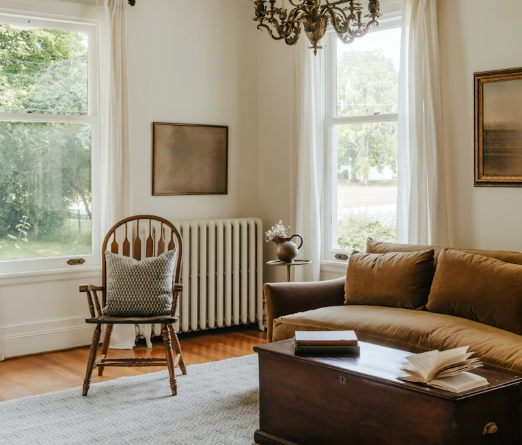
The Neo-Victorian Kitchen: 7 Ways to Hide High-Tech in Heritage Style
The “Victorian Un-Kitchen”: 7 Ways to Blend Heritage Aesthetics with High-Tech Functionality
The term “Victorian Un-Kitchen” may seem odd at first. But it really points to a rising trend. Homeowners and designers alike are mixing the fancy look of Victorian style with the smooth work of today’s tech. You’re not simply setting up a kitchen. Instead, you’re building a space that seems to last forever. Yet it fits our fast lives right now. The trick is to mix things well. Think detailed trims, cozy woods, and old-style finishes. Pair them with smart systems that stay out of sight. They make daily tasks simpler. And they don’t take away from the room’s special feel. I’ve seen folks pull this off in old homes. It turns a basic spot into something warm and useful all at once.
What Defines a Victorian Un-Kitchen?
A Victorian un-kitchen isn’t about copying history exactly. It’s more like rethinking old ideas in a fresh way. Form and function live side by side here. Marble tops sit next to induction hobs. Brass faucets hide sensors that work without touch. The look honors skilled work. Meanwhile, the tech blends in quietly. In one project I recall, a family kept the room’s charm. They added hidden drawers for quick fridge access. It felt just like the past, but cooking was a breeze.
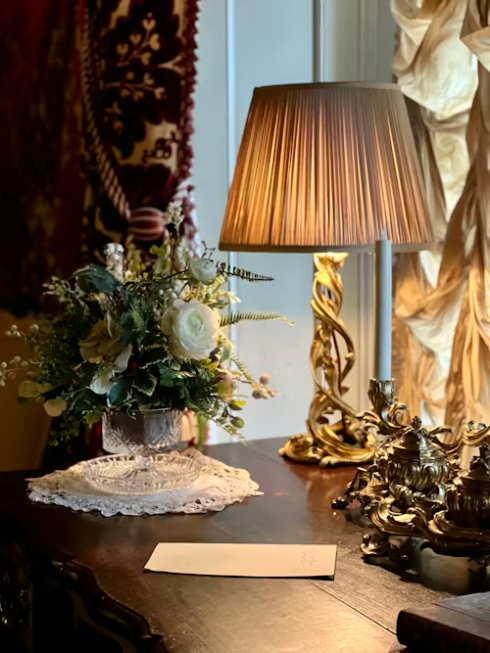
Balancing Authenticity and Innovation
To get this mix right, pick materials that feel real. Mahogany cabinets or patterned tiles do the job. Add new ideas like fridge drawers under the counter. Or lights that turn on with your voice. The point is to keep it low-key. Tech should help from behind the scenes. The main look stays true to old ways. Sometimes, though, you might notice a small modern touch. Like a sleek handle that feels too smooth. But it adds a nice surprise without ruining the vibe.
How Can You Integrate Smart Appliances Without Disrupting Style?
Blending Victorian decor with high-tech features brings real hurdles. The main one is hiding new gadgets in old-style cabinets. A fridge can look like a tall wardrobe. An oven might sit behind wooden doors with designs. This way, everything matches. No one spots the modern bits right away. Picture a busy morning. You open a fancy panel, and there’s your coffee maker. It hums to life without breaking the room’s spell.
Custom Cabinetry Solutions
Get woodworkers to build cabinets that fit appliances just right. They must keep the pretty patterns the same. For example, tuck a dishwasher behind carved oak doors. This keeps the whole surface looking smooth. Even tiny parts matter. Matching handles or edge shapes help create a full old-time feel. In my experience, spending a bit more on custom work pays off. It lasts longer than off-the-shelf stuff. And it avoids those awkward gaps that scream “new.”
Hidden Technology
Smart ovens work well in old setups. Induction cooktops fit too. Wi-Fi coffee makers add ease. Just make their screens small or cover them when idle. Some folks choose counters that pull out. They show built-in tools only during use. Then they slide back. This keeps the space clean and classic. I once visited a kitchen like this. The owner flipped a switch, and lights glowed softly. No wires in sight. It made the whole place feel magical, almost like stepping back in time but with conveniences.
Why Is Lighting So Crucial in a Victorian-Inspired Kitchen?
Lighting sets the mood more than anything else. This holds true in rooms full of textured Victorian details. You need warm glows. They make wood and brass look inviting. Harsh bright lights can make things look flat and cold. So pick wisely. Think about evenings with friends. Soft light turns the space cozy. During the day, it brightens up for safe chopping.
Layered Illumination
Build light in layers. Hang pendant chandeliers over the island. Place sconces by shelves for display. Add hidden LED strips under counters. They give gentle light for tasks. This setup lets you switch moods. Go soft for chats at dinner. Or ramp up for busy cooking times. Layers make the room versatile. In one home tour, the layers created shadows that danced on the walls. It added depth, like in old paintings.
Smart Control Systems
New lighting setups can follow schedules. They mimic the soft flicker of candles in the evening. Or they brighten on their own for prep work. This kind of auto-help boosts daily ease. Yet it doesn’t mess with the classic look. You keep the old charm intact. Sometimes, a bulb flickers just a tad. It reminds you it’s real, not too perfect. But overall, it works smoothly.
How Do Materials Influence Both Heritage Feel and Modern Performance?
Choosing materials shapes how your kitchen feels old yet holds up today. Classic picks like marble and walnut bring a nice touch. But they might need tech tweaks for heavy use. Think about spills and heat. Old stones can stain easily. So smart swaps keep the look without the hassle. I’ve talked to designers who swear by these changes. They save time on cleaning, which is huge for families.
Durable Finishes That Mimic Antique Patinas
Try man-made quartz that looks like worn marble. It has the same lines but fights stains better. No etching from acids like lemon juice. Treated wood covers act like deep mahogany. They handle kitchen moisture well. These choices keep the eye happy. And they cut down on upkeep a lot. For instance, in a real kitchen remodel, they used quartz counters. After two years, it still gleamed. No chips or fades, unlike the original marble plan.
Can Color Palettes Bridge Past and Present?
Yes, colors can link old and new smoothly. They are a strong tool for this. Rich greens, deep reds like oxblood, and soft creams bring back Victorian warmth. Update them with flat paints. Or mix in hardware like brushed nickel. It gives a fresh twist over shiny brass. Colors set the tone. Pick wrong, and the room feels off. But done right, it flows. Imagine walls in muted green. They wrap around like a hug, making meals feel special.
Accent Techniques
Add pops of color with fabrics or wall tiles. Draw from 1800s patterns. But use today’s stuff like glass bits from recycled sources. Or strong porcelain mixes. This boosts green living too. It matches the style without harm. In practice, a backsplash with tiny mosaics caught the light just so. It sparkled during sunset hours. Guests always commented on how it tied everything together.
How Should You Approach Layouts When Mixing Eras?
Old Victorian kitchens had separate areas. Modern ones like open flows. The un-kitchen idea combines both. It focuses on spots that do many jobs. No hard lines between cooking, eating, and relaxing. This makes sense for how we live now. Families move around a lot. So layouts should too. One tip: test with tape on the floor. Mark out zones before building. It helps spot issues early.
Open Yet Defined Spaces
Create an open feel but with clear parts. Put an island in the middle like an old work bench. Make it sturdy for chopping veggies. Yet pretty for quick meals with kids. Add supports like carved brackets or shaped legs. They tie into the decor. This keeps things looking right. And it works well for daily needs. I remember a setup with a big oak island. It seated four easily. Prep space stayed ample. No one felt cramped, even during big holiday cooks.
What Role Does Sustainability Play in This Hybrid Design?
Going green fits well with old-style looks. Both care about things that last, not quick throws. Pick upcycled wood for floors. Or fix up old lights. This cuts waste. It also boosts the real feel of your Victorian un-kitchen. Add low-energy gadgets. They use less power but keep the beauty. It’s a win for the planet and your home. Designers often push this now. With rising costs, it makes sense financially too. One stat: energy-saving appliances can cut bills by 20% yearly.
Energy-Saving Innovations
Look at induction cooktops. They warm up quick with little power. Or smart controls for room heat. They adjust based on who’s there. These tools hide under fancy covers. They back up green habits in a pretty shell. It echoes times gone by. But it suits our world. In a recent build, they added these. The family noticed lower bills right away. And the room stayed cool during summer baking. No sweat, literally.
FAQ
Q1: What distinguishes a Victorian un-kitchen from a traditional kitchen design?
A: It blends ornate period features like carved moldings with discreetly integrated smart technologies so that functionality improves without altering historical aesthetics.
Q2: Are genuine antiques necessary for achieving authentic Victorian decor?
A: Not necessarily; reproductions crafted from sustainable materials often deliver comparable visual richness while offering better durability for daily use.
Q3: How do you hide modern appliances effectively?
A: Use custom cabinetry tailored around each device’s dimensions so panels align seamlessly across surfaces, maintaining uninterrupted decorative flow.
Q4: Which color combinations best express this hybrid style?
A: Deep jewel tones balanced by neutral creams create warmth typical of Victorian interiors yet remain adaptable through contemporary matte finishes.
Q5: Is it possible to maintain eco-friendly standards within such an ornate scheme?
A: Yes; reclaimed materials paired with energy-efficient systems allow you to honor historical beauty responsibly while meeting present-day sustainability goals.