
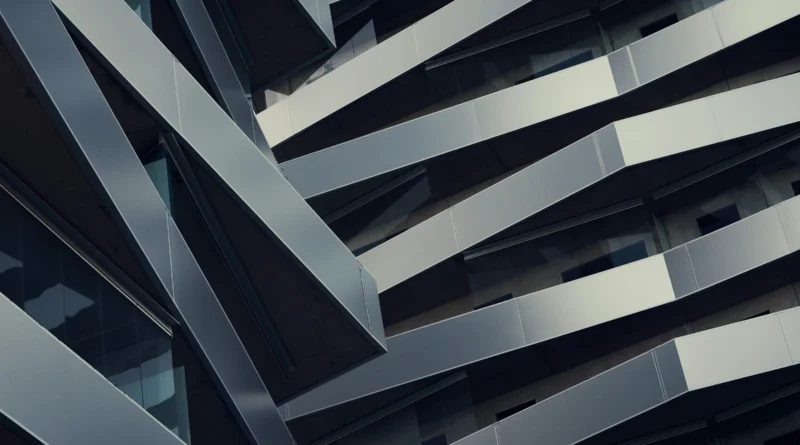
What Are the Advantages of Steel Facade
Steel facades stand out in today’s building designs. People like them for more than just looks. They offer solid performance, long life, and easy changes. Picture walking by a structure with a smooth metal outside. It’s not only a style choice. It’s a smart fix for saving energy, holding up strong, and helping the planet. This piece looks at the key benefits of steel facades in current building work.
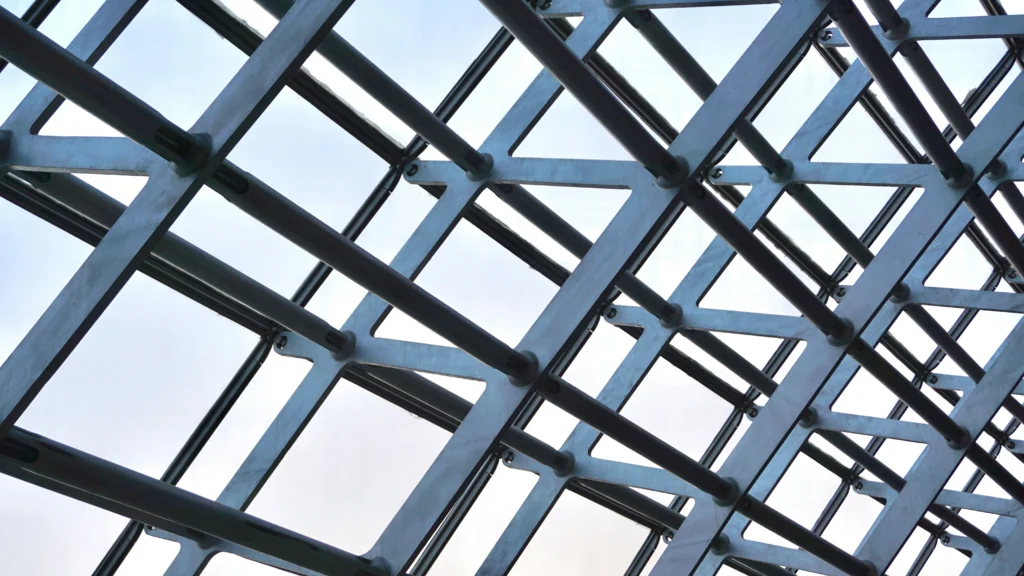
Why Is Steel Facade Considered Durable?
Strength over time draws builders to steel facades. A good setup can handle years of tough weather without breaking down or looking bad. The metal’s built-in toughness and fight against rust fit city spots and beach areas alike.
Resistance to Corrosion and Weathering
Builders often add guards like galvanization or powder coating to steel facades. These covers block water and dirt. They make the life much longer. In places near the sea, where salty air speeds up rust, choices like stainless steel or weathering steel such as Corten hold up great. As years pass, this cuts down on fixes and upkeep bills. You save compared to old ways like wood or concrete covers.
Structural Strength and Stability
Steel has high pull strength. So, panels can be slim but tough. This lets them cover big areas and make wild shapes. They stay firm against wind or shakes from the ground. In tall buildings, it means less weight overall. Safety gets a boost too. Think about a skyscraper in a windy city. The steel keeps everything steady without extra bulk.
Low Maintenance Requirements
Painted walls or rock covers need constant clean-ups or fresh coats. Steel does not. It keeps its shine for a long spell with little work. A simple rinse now and then works fine. This easy care lowers running costs as the building ages. In busy spots like offices, that’s a real plus.
How Does Steel Facade Enhance Energy Efficiency?
Saving power matters a lot in new builds. Rules push for it, and bills keep climbing. A smart steel facade helps cut heat flow and boosts warmth control.
Integration with Insulation Systems
Steel sheets pair well with good fillers like mineral wool or hard foam. Together, they make strong wall setups. This cuts heat leaks, a big energy robber. Rooms stay cool when it’s hot out. They warm up nicely in cold times. For example, in a school, this setup keeps kids comfy without cranking the heat all day.
Reflective Surface Properties
Steel’s shine bounces back sun rays. It eases the need for air cooling in warm months. Add air flow behind the sheets in open designs. Heat escapes before reaching inside. This setup works wonders in sunny spots. I recall a factory in Texas where this dropped their summer power use by 20%.
Compatibility with Smart Building Technologies
New walls often link to watchers for heat, wet air, and clean air checks. Steel covers fit these because of their piece-by-piece build. They work with shade add-ons that adjust or sun power sheets that make clean energy. It’s like giving the building a brain for better comfort.
What Aesthetic Benefits Do Steel Facades Offer?
Looks shape a building’s feel. Steel gives options that beat most picks for style play.
Versatile Design Options
Steel walls come in many looks: rough, shiny, hole-punched, or marked. This lets makers play with feels and light plays. Laser tools cut fine patterns. It’s perfect for special touches on business hubs or art sites. Imagine a museum front with cut-out stars that glow at night. That’s steel magic.
Modern and Timeless Appeal
Clean edges and metal glow say fresh style. Yet it fits forever chic. Use it on plain work towers or old fix-ups. Its plain look matches many ways without getting old fast. In a mix of new and old city blocks, steel blends right in.
Color Customization through Coatings
New paint ways let any hue stick to steel. It holds up without fading in strong sun. Makers keep the look steady for years. This gives full say on how the place appears long-term. Sometimes, folks pick bold reds for standout effects.
How Does Steel Facade Contribute to Sustainability?
Green ways are a must in builds now. Steel shines as a top pick you can reuse fully for wall jobs.
Recyclability and Circular Economy Value
Steel recycles completely. It keeps its power when remade. When a building ends, wall pieces come off and turn into fresh goods. No trash piles up. This fits reuse loops by using less new stuff. In Europe, many projects now aim for 90% recycle rates with steel.
Reduction in Construction Waste
Made-ahead steel sheets fit exact sizes off-site. This cuts mess at the job. It quiets noise and speeds the work over brick laying. Less waste means cleaner sites. One builder I know cut their trash by half using this method.
Long Service Life Reducing Environmental Impact
Steel walls outlast many others. So, swaps happen less over years. That drops the bad air from making new parts. It’s a win for the earth. Over 50 years, that’s a lot less harm. Plus, in rainy areas, it avoids rot issues that plague wood.
What Are the Cost Implications of Using Steel Facade?
Upfront price might top basic covers. But full cost views show big saves from less care and longer use.
Lower Lifecycle Costs
Buying costs more at first. Yet care bills drop a lot. No need for often paints or seals. In 30 to 40 years, owners see clear money gains. For a hotel chain, this meant extra cash for upgrades.
Faster Installation Reducing Labor Costs
Ready big parts arrive set to place. Jobs finish quicker with fewer worker hours on site. In city builds, delays cost big. This avoids fines. Teams wrap up in weeks, not months.
Increased Property Value Through Premium Appearance
Places with fine steel outsides pull higher rents. The fresh look and tough feel draw renters or buyers. It’s like adding value without extra rooms. Market data shows 10-15% bumps in some areas.
How Does Steel Facade Improve Fire Safety Performance?
Fire watch tops wall planning. Bad events worldwide show risks of burnable covers.
Non-Combustible Material Composition
Steel won’t catch fire or feed flames. It’s safer than mix panels with plastic insides or wood setups that spark easy. In tests, it holds back spread better.
High Melting Point Providing Structural Integrity
Steel melts over 1,400°C (2,552°F). It stays solid in fire way past other picks like aluminum at 660°C. This gives folks more time to get out safe. In a high-rise fire drill, that extra hold matters.
Compliance with International Fire Standards
Most country rules see steel as no-burn stuff. It meets tough checks like EN 13501-1 in Europe or ASTM E119 in North America. Builders trust it for code fits.
FAQ
Q1: What makes a steel facade different from aluminum cladding?
A: Steel gives more pull strength and fire hold than aluminum. It dents less from hits too.
Q2: Can a steel facade rust over time?
A: With right coats or strong blends like grade 316L, rust stays low even in wet spots.
Q3: Is a ventilated steel facade necessary for all buildings?
A: No, not for every one. But air-flow types help with wet control and cozy temps, mainly in big shop buildings.
Q4: How long does a typical steel facade last?
A: Good setup and clean checks let it go past 50 years. It depends on the weather around.
Q5: Are there acoustic benefits from using steel facades?
A: Sure. Pair with fill layers behind, and they block noise well for city spots by roads.