
Why Choose Eco Friendly Architecture for Your Project
Eco friendly architecture isn’t just a passing fad anymore. It stands as a key part of today’s building world. This approach changes how we plan, build, and run structures. As more people wake up to issues like climate change and the need for lasting resources, builders and planners shift away from old ways. They aim to make places that cut down harm to the planet. At the same time, these designs boost usefulness and ease for those inside. This piece looks at reasons to pick eco friendly architecture for your work. It’s not only helpful. It’s a must for real worth over years.
What Makes Eco Friendly Architecture Different?
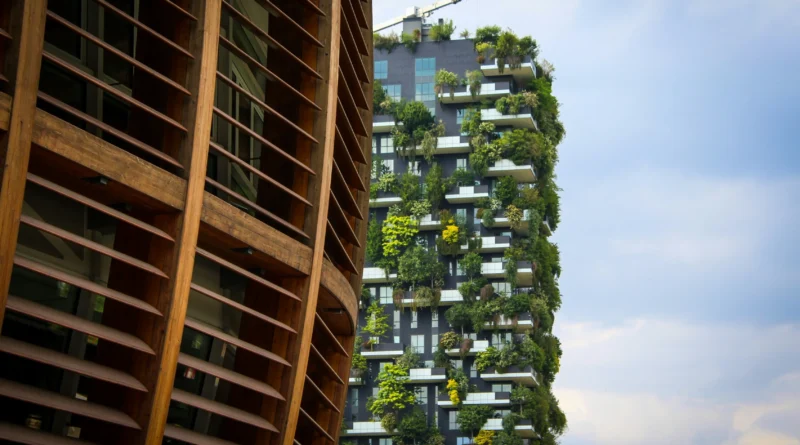
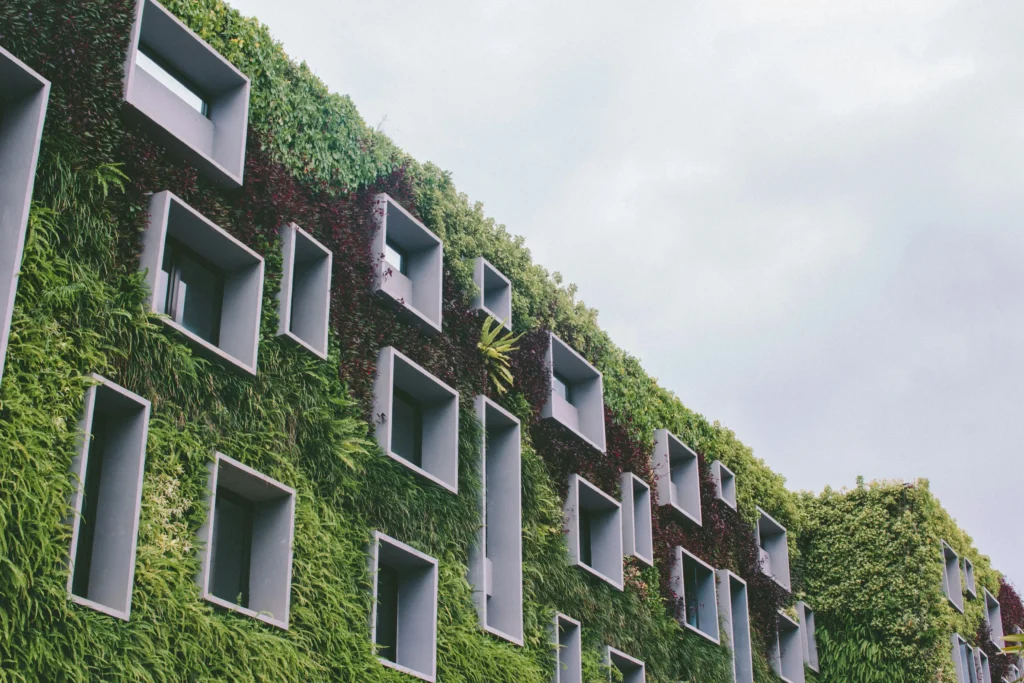
Eco friendly architecture stands apart from regular building styles. It weaves in care for the environment right from the start. This happens in choices like picking the right spot, choosing materials, and checking energy use. You may see these projects mix in bits of nature with clever tools. The result is a smooth match between man-made spots and the wild outdoors. I recall a small office building in my neighborhood that used lots of plants on walls. It felt alive, not stiff like older concrete boxes.
Sustainable Design Principles
Sustainable design works to cut down trash, save power, and pick resources that come back naturally. Structures built this way often use tricks like letting sun warm the inside without machines. They also pull in fresh air from outside and make the most of sunlight during the day. Take windows pointed just right, for instance. They can slash the need for fake lights by half. That’s based on facts from the U.S. Department of Energy in 2023. In real life, think of a home where morning sun floods the kitchen. No need to flip switches early on.
Material Efficiency
Choosing materials matters a lot in eco friendly architecture. Folks often go for things like steel made from scraps, wood pulled from old spots, bamboo, and paints with low bad smells. These picks lower the smoke from making them. Plus, getting stuff from nearby spots trims travel costs and dirty air from trucks. It’s practical. Local quarries mean quicker delivery and less fuel burned.
Lifecycle Thinking
Lifecycle analysis checks a building’s mark on the earth from build day to tear-down time. Architects look at how long things last and if they can be used again. They do this early on. So, the whole thing lasts longer. And it makes less junk at the end. For example, some walls use blocks that snap apart easily for reuse in new projects.
How Does Eco Friendly Architecture Improve Energy Performance?
Saving energy sits at the core of green building ways. Eco friendly architecture uses simple nature tricks and bright tech to drop running costs. It keeps folks comfy inside. I’ve seen old warehouses turned green. They stay cool in summer without blasting the AC all day.
Passive Energy Systems
Passive systems grab power from things like sun rays and breezes. They don’t lean only on fans or heaters. Good wall stuffing, heavy walls that hold heat, and roofs that bounce back sun all help. These keep rooms at even warmth through seasons. In hot places like Arizona, such setups mean less sweat and more savings on bills.
Renewable Energy Integration
Solar panels, wind turbines, and earth-heat setups pop up more in building plans. A report from the International Energy Agency in 2022 shows these can cut ties to the main power lines by seven in ten cases. Picture a school with panels on the roof. Kids learn while the building powers itself on sunny days.
Smart Building Technologies
Tools that run on their own, like lights that turn off when no one’s around or smart air controls using computer smarts, make changes on the spot. They match use to who’s there. This cuts waste. Buildings get quicker to needs. And they skip extra spending. One factory I read about saved thousands just by sensing empty rooms.
Why Is Eco Friendly Architecture Important for Health and Well-Being?
Energy cuts are great, but green buildings do more. They lift the quality of air and space inside. This touches people’s health right away. It’s like giving your home a breath of fresh air, literally.
Improved Air Quality
Air systems with strong filters catch bad stuff like chemical smells or tiny particles. Non-harmful materials add to clean breaths indoors. This counts big since folks stay inside buildings about nine out of ten hours, per the EPA in 2021. In cities with traffic, this means fewer coughs from smog sneaking in.
Natural Lighting Benefits
Sunlight from windows helps body clocks stay on track. It lifts spirits and work drive for people there. Research from Harvard T.H. Chan School of Public Health says office workers with real light sleep better and like their jobs more. Imagine a workspace where desks face big windows. Mornings feel brighter, and afternoons drag less.
Acoustic Comfort
Green plans often add stuff that soaks up sounds, like cork floors or panels from old fabrics. They quiet down city noise. This small fix helps minds stay calm in busy spots. Think of apartments near highways. Without it, horns blare all night.
Can Eco Friendly Architecture Reduce Long-Term Costs?
Upfront money might look bigger at first. But green buildings bring back big wins later. They lower power tabs and fix-up bills. It’s a smart bet, like planting a tree that shades your yard for decades.
Lower Energy Bills
Lights using LEDs eat up to three-quarters less juice than old bulbs, says the U.S. DOE. Over months and years, owners pocket real cash. A friend’s store switched and saw bills drop right away. They even used the extra for fun team lunches.
Maintenance Savings
Tough stuff like concrete from scraps or fiber boards need fixes less often than plain kinds. This stretches out costs over time. In rainy spots, these hold up without leaks or cracks popping up soon.
Increased Property Value
Places with green stamps sell for more. Buyers like the green tag and cheap runs. A 2020 CBRE study notes LEED spots get rent bumps of about one in ten. Real estate agents push these hard in listings now.
How Does Eco Friendly Architecture Support Environmental Goals?
Taking up green building helps big fights against warming weather. It trims smoke output and saves earth goods. Every project adds a bit to the good side.
Reduced Carbon Footprint
Building work makes almost four in ten of world CO₂ puffs, from the UNEP Global Status Report 2022. Green ways with fresh materials and smart setups shrink that number a lot. It’s like swapping a gas guzzler for a bike in the industry.
Water Conservation Measures
Fixtures that use little water, setups to catch rain, and ways to reuse sink water cut waste. This shines in dry lands where every drop counts. One community garden I know collects roof water for plants, saving town supplies.
Biodiversity Preservation
Plans with roof gardens or wall plants pretty up views. They also make homes for birds and bugs in city jungles. These spots buzz with life, unlike bare concrete jungles.
How Can You Incorporate Eco Friendly Architecture Into Your Project?
Adding green touches doesn’t mean total redo. It starts with smart plans and team talks. You can weave it in step by step.
Site Selection Strategies
Pick spots that mess less with wild areas. This avoids losing animal homes. Go for old industrial land over fresh fields when you can. It cleans up past messes too.
Collaboration With Experts
Team up with green-trained builders. They match rules like LEED or BREEAM. And they keep your look in mind. It’s like having a guide who knows the path and the views.
Continuous Monitoring
After build, check-ins with control systems watch things like power use or air freshness. This keeps things running smooth over years. Simple apps now let owners see it all on phones.
What Are the Future Trends in Eco Friendly Architecture?
Tech gets better, and rules get stricter around the globe. So, green building grows past just saving power. It heads toward full ties with nature. Exciting times ahead, though challenges like cost linger.
Net-Zero Buildings
Aim for net-zero, where power used matches what green sources make on site. This turns standard in shops and offices worldwide. Cities like Copenhagen lead with whole blocks going zero.
Biophilic Design Integration
Bring in nature shapes, like plant-covered walls or small ponds. They boost looks and health. They tie people back to the outdoors in boxy cities. Hospitals use this to calm patients.
Circular Construction Practices
Coming projects stress using again, not throwing out. Parts that come apart easy let old bits start new builds. This loops the economy in building. It’s like recycling on a huge scale, but planned from day one.
FAQ
Q1: What Is the Main Benefit of Choosing Eco Friendly Architecture?
A: The top plus is less harm to the planet. It pairs with better ease for folks inside. This comes from smart use of stuff and cleaner spots to live or work. In my view, it’s the win-win that keeps giving.
Q2: Are Green Buildings More Expensive To Build?
A: Upfront prices can climb with special stuff or gadgets. But savings on daily runs usually cover it in a few years. Think long game, not just the check at closing.
Q3: Which Certifications Indicate a Building Is Environmentally Responsible?
A: Key ones are LEED (Leadership in Energy & Environmental Design), BREEAM (Building Research Establishment Environmental Assessment Method), and WELL Building Standard. The last one zeros in on health for people.
Q4: How Do Green Roofs Contribute To Sustainability?
A: They warm or cool buildings without machines. Plus, they soak up rain to cut floods. This fights hot spots in busy towns. Bees love them too, adding a lively touch.
Q5: Can Small Residential Projects Also Adopt Eco Friendly Principles?
A: Sure. Even tiny houses gain from sun-heated water, good wall warmth, sinks that sip water, or wood from old places. These fit any wallet. Start small, like adding a rain barrel, and build from there.