
How Does Eco Architecture Help The Environment
Eco architecture, which people also call sustainable or green architecture, is far from just a quick style. It acts as a solid reply to major problems such as climate change, scarce resources, and pollution in towns. Towns grow thicker with people all the time. Energy use keeps rising too. Because of that, people who design buildings shift their ideas about how these places link up with the outdoors. This writing checks out the chief methods eco architecture supports the surroundings. And it tells why such methods play a large role in future building work.
What Is Eco Architecture and Why Does It Matter?
Eco architecture works to lessen the damage that buildings do to nature. It thinks about every step in a building’s life. That starts with early plans and putting it together. It goes through everyday running and right up to taking it apart at the end. Putting up solar panels or adding green roofs is part of it. But it’s more. It means building things that go along with the natural world. They do not push against it.
Sustainable Building Materials
The main support for eco architecture starts with selecting stuff that grows back fast. Or it can get recycled. Or it comes from close by. Things such as bamboo, wood that got reused, steel from recycling, and concrete with low carbon fit the bill. These picks drop the amount of carbon let out when making and shipping them. On top of that, they usually clean up the air indoors. They do this by not using bad coverings. Take a school build that comes to mind. They used wood that was already there. It shortened the distance for trucks. The money stayed under control. And the build stayed strong. That’s a real win in tight budgets.
Energy-Efficient Design
Keeping energy use low is right in the middle of eco architecture. Basic ideas help here. They include bringing in air from outside without fans. Or getting light from the sun. Or putting in solid barriers against heat or cold. All this lessens the want for man-made heat or chill. Buildings can bring in tools for clean power too. Photovoltaic panels do that. Geothermal systems help as well. They create electricity just where the building stands. Imagine a house in a place full of sun. On clear days, those panels could pay for half the power cost. Real folks in spots like California share stories that back this up.
Life Cycle Thinking
Eco architecture looks past the first costs. It eyes the whole road a building travels. Think about energy it will eat up in years to come. Ask if pieces can find new homes. Consider what happens when it’s pulled down. This wide outlook pulls down costs for daily running. It trims the carbon trail left behind too. Some point worth noting is how old plants switched to green ways like this. Owners got their money back in less than eight years. Local builders share tales that prove it.
How Does Eco Architecture Reduce Carbon Emissions?
Buildings take up close to 40% of the world’s CO₂ releases (IEA, 2022). Eco architecture takes on this trouble. It uses smart picks in how things are shaped. Those picks cut carbon from day-to-day work. They also cut carbon caught in stuff from the beginning.
Passive Heating and Cooling
Setups for air moving on its own draw in winds to chill spaces. They skip big machines such as air conditioners. Placing windows in the right way brings winter light for warmth at no cost. Moves like these shrink the need for power from things like coal or gas a great deal. In warm places like the Middle East, an office put this to use. It lowered cooling wants by 30%. That saved actual money. It also trimmed smoke coming from plants that make power close by.
Renewable Energy Integration
Solar panels go on tops or fronts. They let buildings make their own juice. Certain places add little wind turners. Or small setups that use water flow for power. Link them to boxes that hold energy. Or nets that handle power wisely. Then buildings match what they take with what they give—net-zero kind of deal. Just a side thought: wind does not fit every land. But blending ways often does the trick best. You see that in towns with changing weather.
Low-Carbon Construction Techniques
Making pieces in shops before, such as prefab or modular styles, lessens junk. It does so by staying in fixed areas. Putting in swaps like fly ash or slag instead of plain cement drops gases from creating it. Concrete spits out loads of CO₂ each year. A bridge job tried this out. It skipped 20% of normal releases. That shows it’s doable for large tasks too.
In What Ways Does Eco Architecture Conserve Natural Resources?
Holding onto resources makes up a big piece of eco architecture. Plans deal with gathering water up to reusing what gets tossed. They pull in less new items. Yet they keep comfort and use high. Well, in spots with lots of rain, these thoughts glow bright. They need little added effort.
Water Management Systems
Setups that grab rain from tops hold it back. They save it for watering plants or cleaning toilets. Turning greywater around cleans water used lightly from wash spots or showers. It goes for other needs. The pair of them ease the tug on town water lines much. Say a stay place down in Australia. It turned back 40% of water like this. That lightened the load on rivers near when things got dry.
Material Reuse and Recycling
Those who plan now choose goods that come apart simple when the building wraps up. Folks call this design for deconstruction. After that, steel bits, brick blocks, and wood chunks head to new spots. They skip trash piles. This keeps supplies going round. A storage spot fix in Europe pulled 80% of old goods back. It made junk into fresh worth.
Efficient Land Use
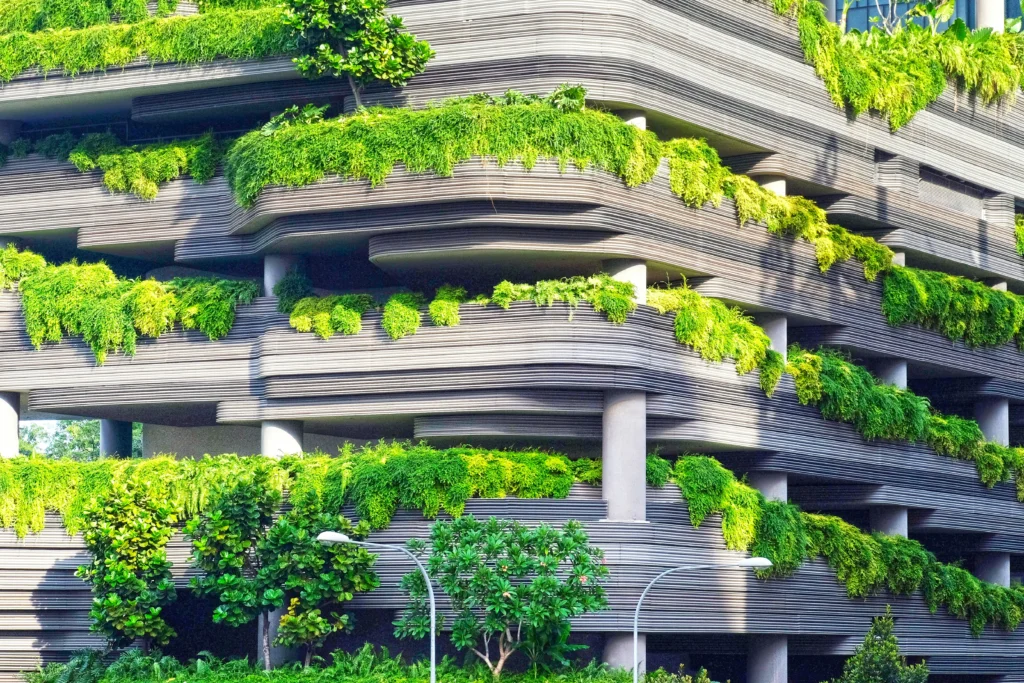
Builds with tight footprints free up ground for green things or spots for folks. Tops with plants call back animals gone from town spread. They suck in rain too. That helps with water from storms before it swamps pipes. When city green areas turn to build lands, this aids birds in making nests safe. It adds a bit of untamed feel to hard city views.
How Does Eco Architecture Improve Human Health?
Places that look after the ground also lift well-being for folks within. They bring cleaner air. They add more sun light. They hold temps even. Such changes help the whole person, body and thoughts alike. This rings true in packed town life especially.
Improved Indoor Air Quality
Usual stuff lets out bits called volatile organic compounds. Or VOCs for short. They can rub lungs wrong or bring on head pains. Eco architecture picks paints and sticks and tops that stay safe. They keep the inside air clean. Kin in homes done green say allergy times drop. It adds up when you dodge those hidden bad bits.
Access to Natural Light
Ideas for day light trim the use of bulb power. They aid the inner clocks that set rest times too. Work from experts shows sun light raises good moods and job get-done (Harvard T.H. Chan School of Public Health, 2020). See a learning room in your head. Young ones grasp more with beams of sun coming through. It’s plain yet it works well.
Thermal Comfort and Acoustic Balance
Strong barriers against heat keep warmth level over times of year. Stuff that takes in sound lessens racket trouble. The two mix to shape daily feels for those there. In loud center towns, this calm side lets deeper sleep come after full days.
Can Eco Architecture Promote Biodiversity?
Yes, eco architecture mixes in live bits that back up close nature areas. It backs life systems. It does not hurt them. Fitting this in busy spots takes work sometimes. Still, tiny moves build to more.
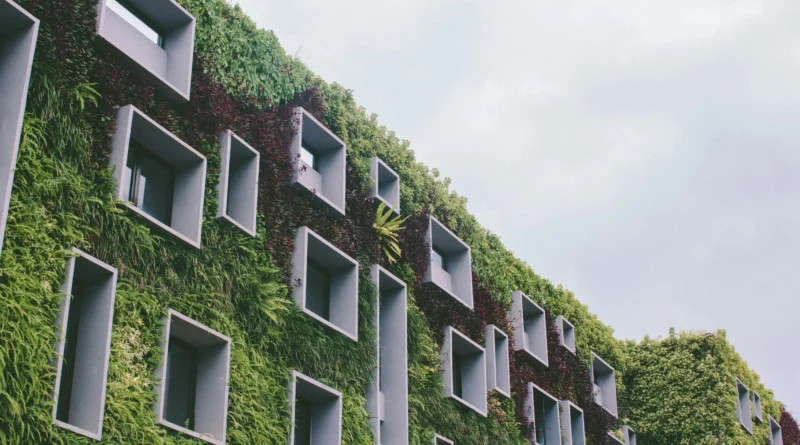
Green Roofs and Walls
Tops grown with plants give spots for birds and small creepers that aid blooms. They ease town hot spots as well. Sides with green wash out bad air. They keep inside heat steady too. A town stretch with these noted more bees flying near. That’s good news for gardens close.
Native Landscaping
Growth from local dirt asks for less wet since it matches the air around. Yards like that pull in critters from near, such as bees or winged flutterers. Town push often shoves them away. But this draws them in again. A block green space tried local plants. It saw flutterer counts jump twice in one turn of seasons. What a nice view.
Habitat Restoration Through Design
Certain jobs mend damp lands or set trees on beat-down ground by fresh builds. They turn work lands from drags to nature boosts. By a stream edge, one effort called back fish paths. Town folk had not spotted them in ages.
How Does Eco Architecture Support Economic Sustainability?
Being steady touches cash side too. It builds lasting power. Green paths aid money to stand firm through time. With power costs going up, this hits home harder now.
Lower Operating Costs
Builds in green may ask a touch more up front. Often it’s 1–5% over. Yet they hold back on power and care work down the line (World Green Building Council Report, 2021). In 20 years, savings pile. Picture loads kept from bills just.
Increased Property Value
Buyers of houses lean to green now. They like low power tabs and spots good for health. Rules for telling on releases tighten. So shapers gain a step up. Work in the UK found green places move 10% quicker. That keeps trade flowing.
Job Creation in Green Industries
Shift to steady builds lights up calls for fresh work. Mending sun tools or picking through reused bits grows spots in clean work fields. Over in the US, this part added past 3 million spots in ten years past. Stats from powers that be show it. That’s true folks landing sure checks.
What Are the Future Trends in Eco Architecture?
The field moves on as fresh tools join hands with deeper watch over the ground by shapers all over. Fun to watch plain know-how blend with new thoughts.
Smart Building Technologies
Watchers for energy check it as it happens. They adjust lamps or warmth by who is in. Waste drops without folks lifting a finger. In an office with smarts, it could hold 15% power back. No one spots it much.
Circular Economy Design Principles
Builds ahead will eye rings where stuff skips trash forever. Each part plans for fresh go at close. Like handing old bits another round. It cuts pulls to pull more from earth depths.
Biophilic Design Integration
Shapers add out-door feels in now. They use bends like limb shapes, growing plants, or tiny wet spots. It ties folks nearer to wild in made worlds. A health spot tried it. Those healing there said worry eased. Little adds with large peace brings.
FAQ
Q1: What makes eco architecture different from traditional design?
A: Traditional designs often prioritize aesthetics or cost efficiency alone; eco architecture integrates environmental performance metrics into every stage—from material selection to energy modeling—to minimize total ecological impact.
Q2: Do green buildings really save money over time?
A: Yes, studies show operational savings typically offset initial investments within five to ten years through lower utility bills and maintenance costs (U.S. Green Building Council Data).
Q3: Can existing structures be converted into eco-friendly ones?
A: Retrofitting older buildings with insulation upgrades, efficient HVAC systems, or renewable energy sources can significantly enhance sustainability without full reconstruction.
Q4: How does eco architecture relate to climate change mitigation?
A: By reducing greenhouse gas emissions from both construction processes and daily operations, eco-friendly designs directly contribute to meeting global climate targets set under the Paris Agreement (UNEP Report 2022).
Q5: Is eco architecture suitable for all climates?
A: Absolutely—design principles adapt regionally; tropical zones emphasize ventilation while colder climates focus on insulation efficiency—but the core goal remains resource conservation everywhere.