
What Are the Pros and Cons of Glass Facade
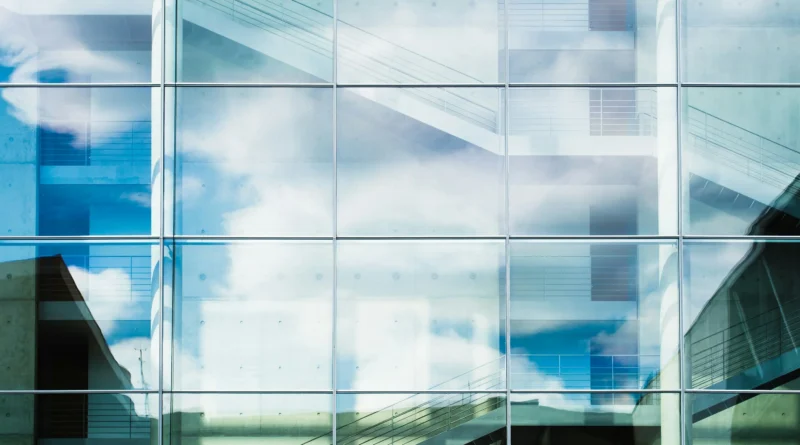
Glass facades mark modern buildings in cities. They show clear views, openness, and fresh ideas. For folks in building, engineering, and design fields, these systems go beyond looks. They affect energy use, comfort inside, and upkeep over years. This piece looks closely at the good and bad sides of glass facades. It helps you decide if they fit your project.
Why Do Architects Prefer Glass Facades?
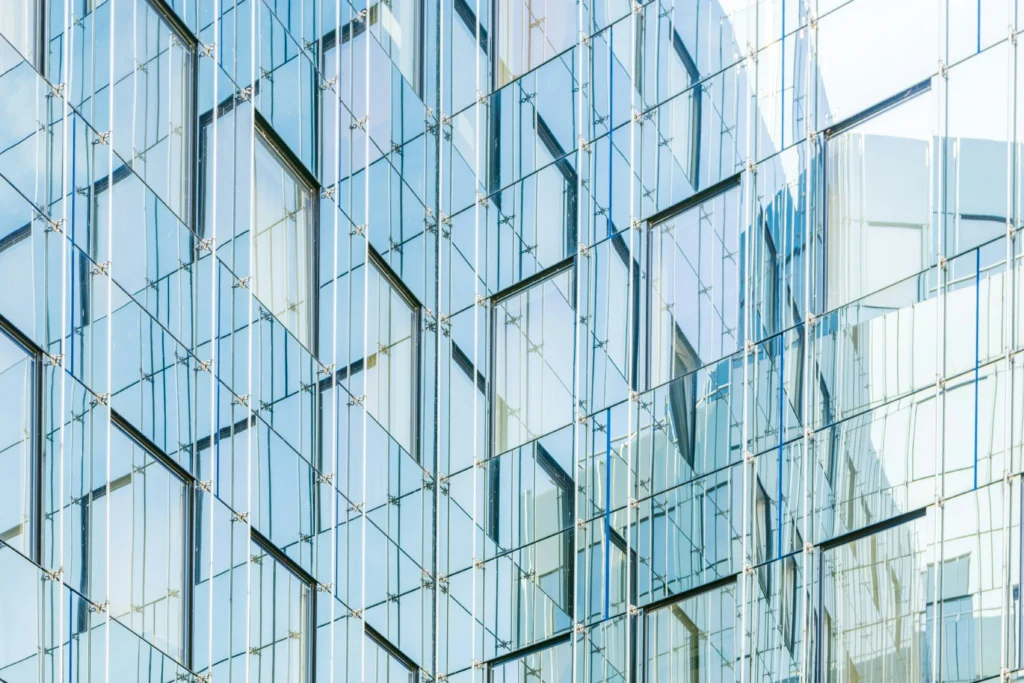
Builders and designers pick glass facades for good reasons. They like the light feel and how it links inside spaces to the outside world. Plus, it gives a modern touch. But there’s more. It mixes strong building work with nature science. This makes design both tough and worth it.
Aesthetic Appeal and Design Flexibility
Glass facades help create eye-catching structures with smooth edges and shiny parts. The clear quality brings a feeling of space that old wall covers can’t match. You can change colors, shines, or even clearness with special paints or dot patterns. This leads to special looks. In busy city areas, it helps build a company’s image and fits with the neighborhood. Think of tall office towers in downtown spots—they often use this to stand out.
Natural Light Penetration
A big plus for glass facades is how they let sunlight reach far into rooms. Reports from the U.S. Department of Energy (DOE) show that smart window setups can cut fake light use by up to 40%. Sunlight boosts how people feel and work better. It also lowers power needs in the day. In schools or offices, this means brighter days without extra bills.
Modern Architectural Expression
Glass stands for today’s style. It works well with curtain wall setups that make smooth outer walls with little seen frames. The end look speaks of forward thinking and tech smarts. Companies or public places often want this vibe. For example, many bank buildings use it to look sharp and welcoming.
How Do Glass Facades Affect Energy Efficiency?
Energy use sparks a lot of talk about glass facades. They can catch winter sun warmth. But in summer, bad designs let in too much heat. You need to plan well to avoid that.
Thermal Insulation Performance
Basic single glass doesn’t hold heat well. Yet, today’s double or triple glass with gases like argon works much better to block cold or heat. Low-E coatings bounce back heat rays but let light through. This cuts down on extra warmth moving in or out. It’s like a smart filter for the building skin.
Solar Control Technologies
Top glass types have coatings that pick certain sun rays. They block heat but keep light coming in. Some new kinds change shade on their own—like electrochromic glass that tints with outside light. This adjusts without people doing anything. In hot spots, it keeps rooms cool without dark shades.
Integration With Shading Systems
To make things better, pair glass with outside shades like slats or edges. Computer models check sun paths all year. They find the best setup for light and no glare. I’ve seen projects where this mix saves a ton on cooling costs in sunny areas.
What Are the Structural Challenges of Glass Facades?
Glass looks fragile, but the systems behind it need careful planning. Teams of designers, engineers, and wall experts must work together closely.
Wind Load Resistance
Tall buildings deal with strong winds. These push on glass panels hard. The loads go to the main frame safely. Curtain walls use upright bars called mullions. They spread the force evenly. And they keep a thin shape. In windy cities like Chicago, this setup holds up well year after year.
Seismic Performance Considerations
Places with earthquakes need flexible links between glass pieces. This lets them move without cracks or leaks. Silicone seals take in shakes and keep water out. It’s key for safe buildings in spots like California.
Safety Glass Requirements
Laws demand safe glass for outside use. Tempered glass gets four times stronger than regular. Laminated types keep bits together if hit. This protects people walking below high walls. No one wants falling shards in a busy street.
How Do Glass Facades Influence Building Maintenance?
Upkeep often gets overlooked at first. But it matters a lot as time goes on. Glass faces dirt and weather, so cleaning and checks are a must.
Cleaning Frequency and Access Systems
Big glass walls get dirty fast in cities. Dust from cars and air sticks quick. Workers use ropes or moving platforms for tall jobs. Special coatings push water away to cut spots. But you still need regular wipes. In rainy towns, this helps, though not fully.
Sealant Durability
Seals around panels wear from sun over years. Check them often to stop water getting in. That could hurt warmth keeping or cause wet inside glass packs. Simple fixes early save big headaches later.
Replacement Costs Over Time
Starting costs run high for glass setups. But swaps later can cost more if parts are old or broken bad. Plan for the long run. Get promises from makers for 20 to 25 years on wall parts. Industry folks say this covers most needs without surprises.
Can Glass Facades Support Sustainable Design Goals?
Green building changes how wall makers pick stuff and join it all. Good glass outer layers help get badges like LEED or BREEAM. It’s not just talk—real wins come from smart choices.
Recyclability of Materials
Glass can get reused fully without losing strength. That’s a win for green plans. Add aluminum frames that recycle easy too. It makes a full circle for waste. Many projects now aim for this to cut landfill use.
Reduction in Artificial Lighting Needs
More sun inside means less bulb time on. This drops power for lights in daily work. It hits goals set by groups like ASHRAE. In a typical office, this could save 20% on bills, based on common reports.
Compatibility With Renewable Technologies
New walls mix in solar panels right in the glass. Called building-integrated photovoltaics (BIPV), they make power from sun and stay see-through. This fits comfort needs inside. Solar farms on roofs are cool, but walls like this power the whole building.
What Are the Economic Implications of Using Glass Facades?
Money talk goes past first build costs. Look at daily savings and how it boosts worth over time. Pretty looks or green tags add value too.
Initial Investment Costs
Smart glass runs pricier than plain walls. Making and putting it up takes skill. But owners see it pay off. People pay more rent for fancy spots. In markets like New York, this lifts property prices quick.
Operational Savings Through Energy Management
With good shades, glass cuts air cooling needs. Add windows that open for fresh air flow. This lowers running costs. One hotel chain I read about saved thousands yearly this way.
Long-Term Asset Value Enhancement
Buildings with clear, standout walls keep renters longer. Folks link them to class and ease. This helps money back over time, even with extra clean bills. It’s like an investment in looks that pays.
How Do Climate Conditions Affect Glass Facade Performance?
Weather sets if glass works well or drags energy down. Fit it to the area from the start. Local tweaks make all the difference.
Hot Climate Adaptations
In warm spots with strong sun all year, use shiny coatings and big roof overhangs. They cut heat but let light in. Work areas stay comfy. Dubai towers do this right to beat the desert blaze.
Cold Climate Considerations
Cold areas need triple glass with edge spacers that stay warm. This stops fog on frames and boosts heat hold. Key for cozy winters. In Canada, this setup keeps homes snug without huge fuel use.
Humid Environment Challenges
Where air holds lots of water, watch for sweat on glass. Big inside-out temp gaps cause it. Good air paths in frame spots stop mold back there. Southeast Asia buildings use vents to handle muggy days.
FAQ
Q1: What Is the Lifespan of a Typical Glass Facade System?
A: Most curtain wall systems last between 30–50 years. It depends on weather and how often you maintain them. Major fixes come after that, per 2022 surveys from wall engineering groups.
Q2: Does Using More Glass Always Increase Energy Costs?
A: Not always. Pair it with good coatings and shades, and big glass can match solid walls in energy use. This holds in some weather, as DOE models from 2020 confirm.
Q3: Are Self-Cleaning Coatings Effective on High-Rise Façades?
A: They cut down cleaning trips, but dirt from traffic still builds on straight walls. Studies from Building Research Establishment (BRE) show you can’t skip it fully.
Q4: Can Glass Façades Be Retrofitted on Older Buildings?
A: Yes, special wall kits attach to old frames. But check if the base can hold the weight first. Do this in planning, as ASTM E283 rules suggest.
Q5: How Do Fire Regulations Apply to Extensive Glazing Areas?
A: Use fire-safe glass setups that follow local rules. They need strong frames or block areas to stop fire spread over floors. NFPA 285 tests from 2019 guide this.