
How To Choose The Right Home Architectural Styles
Picking the best home architectural style involves far more than just liking its look. It shapes how cozy you feel inside, how handy it is for regular chores, and how much it’s worth after many years. Each kind of style points to a specific way of living. It also fits in different ways with the local weather, neighborhood habits, and usual activities. Folks in the architecture field or real estate business need to mix solid know-how with a sharp eye for looks when pairing plans with what customers want. This piece checks out some ways to look over and pick fitting home architectural styles for jobs or customers. Over the years, little picks in this area often change how a place feels from one day to the next, in ways you might not expect at first.
What Factors Should You Consider Before Choosing a Home Architectural Style?
Look closely at the surroundings, money limits, and family ways before you choose a home style. These parts decide how well the house lasts over time. A house by the ocean faces special building hurdles. These differ from homes in busy city spots or up in the hills. Skipping these points can bring surprise problems down the line.
Climate and Location Influence
Weather plays a big role when you pick useful building parts. Take Mediterranean homes for a clear picture. They have clay tile roofs and stucco walls. These parts work great in hot, dry spots. They send back the sun’s heat and keep rooms cooler. On the other side, Cape Cod and Colonial Revival types show up a lot in cold places. Their sloped roofs let snow slide off without hassle. When you line up these parts with what’s around, you cut down on fix-up bills a good deal. It also helps save on power with not much extra effort. A project in California comes to mind. There, folks picked those same tiles. Right away, the people living there saw drops in their cooling costs. Wins like that make folks happy and keep things running smooth.
Budget and Construction Materials
Prices for building stuff change a lot based on the style you pick. A plain modern house using glass and steel might call for more cash to start. But a Craftsman bungalow with wood from close by could cost less right off. Still, the modern kinds usually mean smaller bills for fixes later on. They use strong covers and smart setups. Experts should stack up the starting costs against how long it holds up. That way, you end up with something that fits the budget for the long haul. In different building jobs, people who put a tad more into steel stuff said they were glad. It held up against rust and color changes after bad storms. Steel’s toughness in wet areas is tough to top, especially when rains come often.
Lifestyle and Functionality
Each family has its own habits. These shape how you set up the rooms. Wide open spaces in new houses make talking and hanging out easy. But they can lack enough quiet spots for big groups with kids and older relatives. Old-style plans with separate areas help handle noise and heat better. The right style makes daily chores smoother. It does not trap you in tight spots. Think of one family that picked rooms apart from each other. That let the kids work on school tasks far from TV sounds in the main room. Changes that simple can shift how days go for the whole group.
How Do Popular Home Architectural Styles Differ?
Building styles change in how they look, that’s clear. They vary too in how sturdy they are and where they come from in history. Getting these differences helps point customers to choices that match their likes and real needs. Advice like that stops sorry feelings later. Sometimes, a small chat about history adds fun to the process.
Modern and Contemporary Styles
Modern building stresses straight lines, large windows, and open inside spaces. These mix the home and yard without breaks. Newer takes on this build from the same base. They add today’s tools, like smart home gear or green picks such as recycled concrete panels. People who like these want simple looks, lots of day light, and rooms you can switch around. For one build near Seattle not long ago, big windows went in. The family called it like living in a forest hideout. All that sun coming in made it feel alive. On rainy Northwest days, that light lifts spirits in a real way.
Traditional Styles
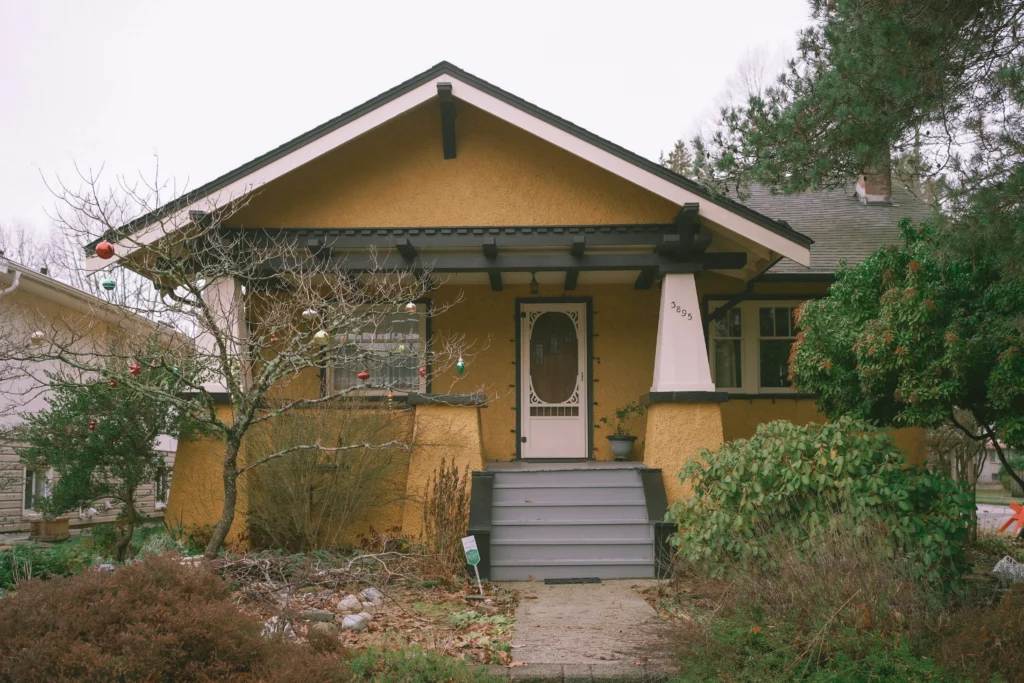
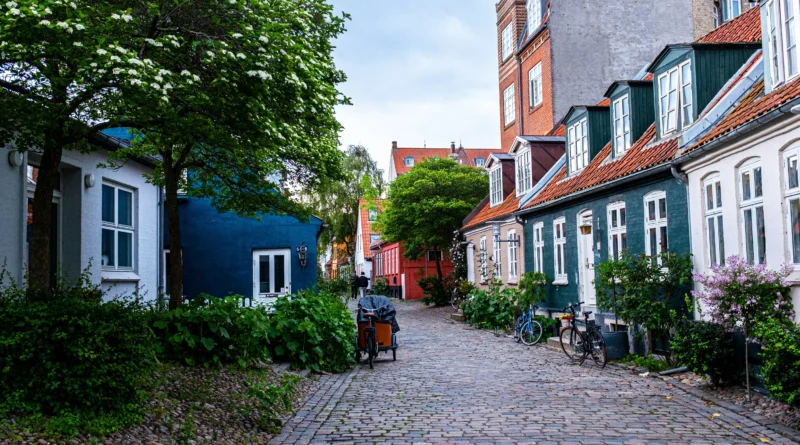
Old home types, like Georgian, Victorian, or Colonial, show even shapes, pretty details, and neat sizes from past rules. They often use brick or wood outsides with slanted roofs and careful edges. These houses give a feeling of lasting class. But they might need more work to keep up. The fancy bits wear out quicker than plain ones. It’s much like caring for an old car. It stays good-looking, but you have to put in steady work to keep it nice. The old-style pull has its own quiet draw, even if upkeep takes time.
Transitional Styles
Transitional building mixes long-used skills with today’s plain ways. It goes for soft colors, matching sizes, and light touches. This joins past charm with now-day comfort. It fits owners who want classic views without too many hard rules. One customer went with this in a suburb area. It fit right in and did not stand out wrong next to other houses. That kind of mix keeps the street feeling together and calm.
Why Is Regional Identity Important in Home Design?
Area traits affect how building deals with local ways, stuff on hand, and weather troubles. Passing over these local bits can lead to waste or houses that do not match the block’s look. Thinking about it matters a lot, above all in spots with strict rules. Local links bring a real touch that’s hard to copy. In some places, it even ties into old stories that locals love hearing.
Cultural Context
Building shares tales from the area. Spanish Colonial houses show roots with inner yards and bent doorways. Designs from Japanese styles keep it basic and tied to nature. Plans that honor local customs touch the feelings of those inside. They help the area feel closer too. In a Texas project, such yards were added. The people there started backyard cookouts. These pulled neighbors in and made bonds that lasted. Shared spots like that spark real connections over time.
Local Materials
Getting stuff from near places cuts down on moving costs. It helps area shops stay busy. Adobe bricks keep showing up in the dry southwest U.S. They hold room heat steady and look good with the ground around. Using them feels like the house came up from the dirt on its own. Adobe’s rough feel matches desert views just right. In hot spots, that steady temp saves on fans or heaters daily.
Urban Planning Compatibility
Cities set rules on how houses should appear. They use area laws or guides for old sites. This keeps the place’s style the same. Choosing a style that goes with these avoids extra money spent on changes later in the check process. Some jobs wait months because the roof slope did not fit the rules. Checking early works better. Holds-ups that way annoy the whole team and slow things down.
How Can Sustainability Influence Your Choice of Architectural Style?
Caring for the earth more and more shapes building picks. Saving power sits at the heart of home rules worldwide. This change is not just a quick trend. It turns into a must for smart builds. Green choices surprise with benefits you did not plan for, like lower bills in odd seasons.
Passive Design Principles
Styles that catch sun heat without machines, like Prairie-style homes, let in plenty of light. They cut needs for heat in winter. Adding covers for shade or long roof parts blocks hot sun in summer too. Easy steps like these bring big gains. U.S. Department of Energy numbers say they can drop power costs up to 30 percent in bright places. Free sun power shifts how you handle home energy without much fuss.
Material Efficiency
Green ways like using stuff that grows back, such as bamboo floors or saved wood beams, make sense. They stay away from man-made things that give off bad air parts. These choices cut damage to nature. They clean up the air inside for people living there too. Take bamboo. It grows back fast and feels nice to walk on. It’s perfect for spots where families gather. That fast regrow helps the world while keeping homes comfy.
Energy Systems Integration
New styles allow adding sun panels or ground heat setups without hurting the outside look. Planning early makes sure roofs or walls face the best way for them. It all fits together well. In one Colorado job, they set the roof at just the right angle. The panels then gave power for about half what the house needed. Turning good weather into real savings feels rewarding.
What Role Does Technology Play in Modern Home Architecture?
Tech shapes how new homes look and run each day in deep ways. It goes from computer draw programs to auto helpers that make things easier. It’s all around now. Sometimes it feels like a trick. But really, it’s smart thinking at work. Tech keeps changing and mixes new bits into tried ways, keeping things fresh.
Smart Home Features
New houses often have built-in light changers, watch systems for safety, or heat controls you handle on your phone. These make the place nicer to be in. They also cut down on wasted power by watching how you use it right then. One family used a phone app to turn down lights on its own. They saw good drops in their light bills without trying hard. Handling things from afar makes daily tasks a breeze.
Digital Design Tools
Building pros use Building Information Modeling (BIM) tools to guess how things will work before the job starts. This finds spots where heat escapes or weak areas quick. It stops problems later. Reports from the field show BIM cuts wrong steps in jobs by 20 percent. Tools that show issues early save time and cash before trouble hits.
Construction Innovations
Parts made ahead of time let workers put things together on the spot quicker than old methods. This speeds up the whole timeline but keeps the work good. You can take on more projects at once. For a late job, pre-made walls went up in just a few days. That let the team spend time on fine points instead of basic stuff. Quick builds without losing care shift how teams work.
How Can You Match Client Personality With Architectural Style?
Linking a person’s traits to how rooms feel turns regular houses into special spots that fit just right. It’s about making it feel like home, not just a place to stay. Little personal bits bring the whole thing to life in ways that last.
Visual Preferences
People who like even setups might go for Neoclassical fronts. Folks who want bumpy shapes could pick mid-century modern plans that break free from stiff lines. The first view from the road sets the feel right away. Matching looks creates a flow that welcomes you in.
Emotional Comfort
Country house styles bring a warm vibe with rough wood tops or stone fire spots. They work well for those after snug feels instead of sharp city pads. A solid stone fire often pulls the group together in cold months. That warm center builds good times that stick with you season after season.
Social Behavior Patterns
Friendly owners might like big kitchens that connect straight to porch spots for get-togethers. Quiet types could want split areas for rest after busy times. This match shows how they talk or unwind. A chatty couple opened up their kitchen space. Now they have friends over often. The easy inside-to-outside move makes parties simple and fun.
FAQ
Q1: What Is the Most Energy-Efficient Home Architectural Style?
A: Passive solar designs such as Prairie-style or Earth-sheltered homes typically achieve superior energy efficiency by utilizing natural heat gain control strategies combined with insulation optimization (U.S. Department of Energy 2023). These structures may appear partially embedded in the landscape, yet they maintain comfortable warmth without excessive heating reliance. Their grounded feel adds a unique coziness too. In practice, families in such homes report fewer cold drafts even on windy nights.
Q2: Which Style Offers the Best Resale Value?
A: Traditional styles like Colonial Revival consistently maintain strong market appeal due to their broad recognition among buyers across regions (National Association of Realtors 2022). Prospective purchasers often favor the familiar elegance of these classics during property transactions. That timeless draw boosts sale prices reliably. Sellers in suburban areas see quicker closes with these familiar fronts.
Q3: Are Modern Homes More Expensive To Build Than Traditional Ones?
A: Generally yes—modern designs require specialized materials like structural glass panels or steel frameworks—but lower maintenance costs often offset initial expenses over time (Construction Dive Report 2021). While the glass elements carry higher tags, their endurance eliminates frequent repainting needs. Durability balances the scales eventually. Over 10 years, that can mean thousands saved on upkeep.
Q4: How Do I Choose Between Form And Function When Designing My Home?
A: Prioritize function first; form should complement usability rather than compete against it according to architectural best practices outlined by the American Institute of Architects (AIA 2020). Begin with essential requirements, then enhance with appealing aesthetics—that approach yields practical results. Functionality grounds the beauty effectively. Starting with needs keeps the design sensible from the start.
Q5: Can Mixing Multiple Styles Work Effectively In One House?
A: Yes if transitions between elements remain coherent through consistent material palettes or proportional balance; otherwise visual dissonance may occur leading to reduced aesthetic harmony (Architectural Digest 2023). Incorporating subtle Victorian accents atop a modern foundation can add delightful character, provided unifying hues connect the components. Thoughtful mixes create eclectic charm without chaos. A balanced blend often surprises with how well it ages over time.