
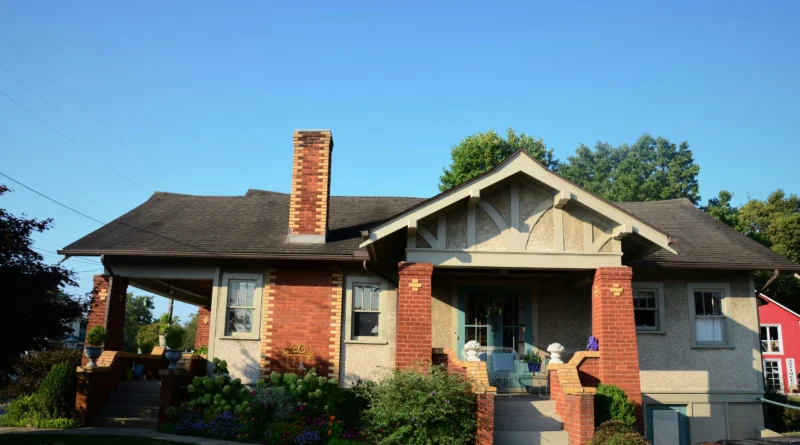
What Defines A Modern Farmhouse Exterior Today
The modern farmhouse exterior stands out in today’s home designs. It mixes old-time country appeal with sharp, simple building shapes. This look offers a mix of ease and style. You often spot white walls, dark window frames, and real wood touches. But what really sets it apart now comes from fresh materials, new tech, and local touches. For folks in building and decorating, digging into this trend shows how old ways keep sparking new ideas. I remember seeing one in a quiet suburb last summer—it just felt welcoming, like a hug from the past but with a fresh twist.
How Has The Modern Farmhouse Exterior Evolved?
The modern farmhouse exterior has changed a lot. These changes match shifts in daily life and building tools. Early farmhouses focused on real use. Builders picked nearby stuff like wood, stone, or brick. They kept decorations to a bare minimum. Now, current takes rethink those shapes for today’s needs. Clean edges often swap out fancy bits. Yet, the cozy feel of natural surfaces stays key. In my view, this keeps the style alive and kicking, even as times change.
Historical Roots And Inspirations
The first American farmhouse came from need, not looks. Builders grabbed what was around. They made sturdy spots to handle tough weather. This no-nonsense side still sits at the heart of the modern farmhouse exterior. Gabled roofs and porch covers play both pretty and useful parts. For example, think of those old Midwest homes from the 1800s—they lasted through storms because of smart, simple designs.
Transition To Contemporary Design
Over the last few years, builders started mixing old farmhouse outlines with basic touches. Smooth metal roofs took over from basic shingles. They last longer. Fiber-cement walls look like wood but need less care. This mix makes a style that feels like home but fits now. Many people want that mix of memory and newness. It’s like updating your grandma’s recipe with a few modern ingredients—still tastes great, just better for today.
Influence Of Regional Architecture
Local styles keep molding the modern farmhouse look. Near the sea, soft colors and worn finishes rule. In cold spots, deeper shades and solid stuff add coziness. These tweaks make the style bendy. It holds onto what makes it special. Take the Southwest, for instance—there, you might see terracotta hints mixed in, which nods to the desert vibe without losing the core feel.
What Materials Define A Modern Farmhouse Exterior Today?
Choosing materials shows clear signs of how the modern farmhouse has grown. Blending rough realness with exact modern work builds a sight that’s always fresh but never old. It’s not just about picking stuff; it’s about how they play together to make the house feel right.
Siding And Cladding Choices
Side-by-side lap siding sticks around as a go-to. But up-and-down board-and-batten ways have jumped up in use. They add height and feel. Lots of planners pick fiber-cement or fake wood now. These hold up well without losing the look. Brick or stone bottoms give a firm base. They stand out nice against bright white sides. In rainy areas, I’ve seen fiber-cement save owners tons on upkeep—probably cuts repair costs by half over a decade.
Roofing And Trim Details
Metal roofs, like the standing seam kind, pop up more. They last a long time and look neat. Flat black edges around windows or roof lines bring out differences against pale walls. This boosts shape focus while keeping things plain. It’s a small change that makes a big difference, especially at dusk when shadows play tricks.
Natural Accents And Textures
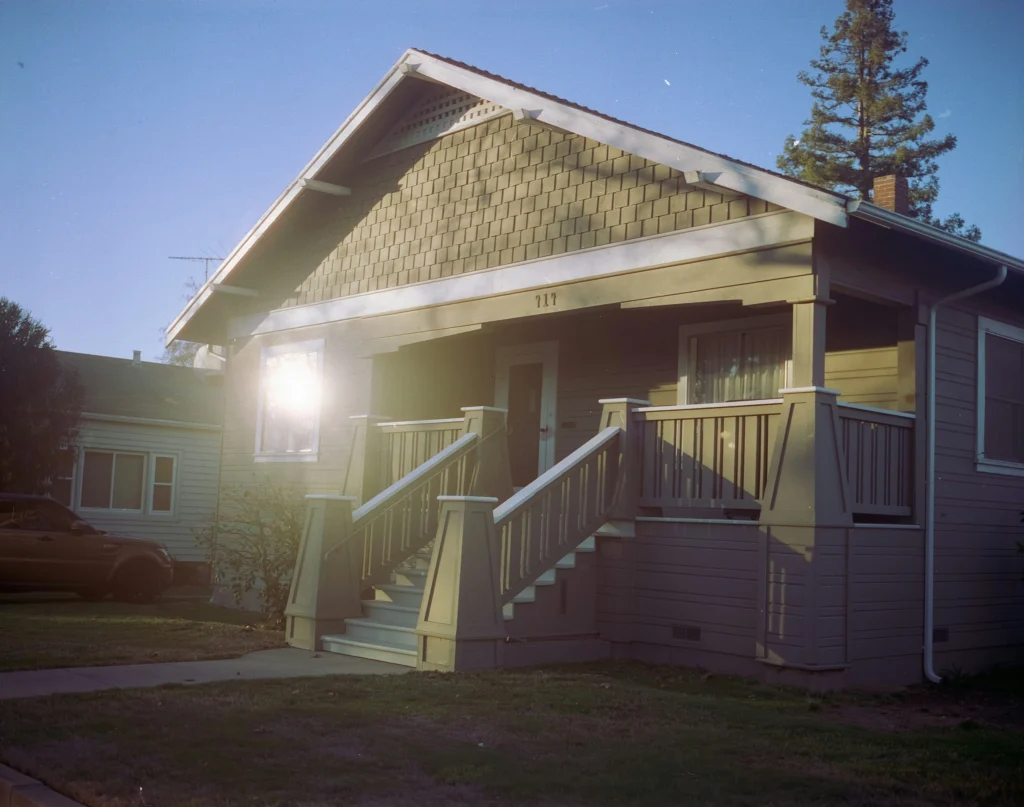
Wood beams, cedar poles, or saved barn wood doors add real warmth to straight-line outsides. Even tiny bits like wood supports under roof peaks can ease hard lines. These touches remind you of the land, pulling the house into its spot like it grew there naturally.
Why Are Color Palettes So Important In Modern Farmhouse Design?
Colors set the feel and vibe for any outside setup. In the modern farmhouse, it’s all about mixing bright with strong pops. This isn’t random; it shapes how the house sits in its world, day or night.
Classic Neutrals With High Contrast
White leads the pack for its clear base. It spotlights building shapes without pulling eyes away. Matching it with black window frames or deep gutters makes a bold beat across the front. This setup works in about 70% of the homes I’ve come across in design mags—it’s that reliable.
Earthy Tones And Muted Shades
Planners dig into beige, gray-brown, or light green picks more these days. These swap for plain white plans. Such colors blend into country views. They keep a classy edge for city-edge spots. It’s like the house is whispering to the yard, not shouting.
Accent Colors Through Materials
Color doesn’t just come from paint. It shows up in what you pick: warm wood from cedar walls or reddish metal on porch shades adds layers. This brings depth without messing up the plain side. Sometimes, a rusty hinge or two adds that lived-in charm, like the place has stories to tell.
How Does Lighting Enhance The Modern Farmhouse Exterior?
Lighting changes how buildings link with their spots after dark. It points out work details you might miss in the sun. Good lights make the house feel safe and alive, turning a simple front into something magical.
Functional Illumination For Entryways
Lantern lights by front doors stay a classic pick. But now they use LED bulbs that save power inside old shapes. This joins past charm with today’s green ways. Hang them about 6 feet high, and they guide folks right in without blinding.
Landscape And Pathway Integration
Soft ground lights along paths or upward beams under trees stretch the look from house to yard. They boost safety for people coming over. Plus, it ties everything together nicely. In one project I recall, these lights made a sloped lot feel flat and easy at night.
Architectural Highlighting Techniques
Smart spot lights can pick out up-down wall patterns. Or they show differences between metal roofs and wood beams. This turns normal parts into stars after sunset. It’s a cheap way to add wow—maybe just $200 in fixtures for a whole front.
What Role Do Windows And Doors Play In Defining Style?
Window and door picks shape use and looks in any building talk. This holds true big time for the modern farmhouse exterior. They let light in and frame views, making the house breathe.
Black-Framed Windows As Signature Elements
Thin black frames match this style like a glove. They draw crisp lines against light walls. At the same time, big glass lets sun pour inside. This pulls nature close. Most new builds use double-pane versions now, cutting energy bills by up to 30%.
Oversized Openings For Connection To Nature
Bigger window groups fade lines between inside and out. This tips a hat to farm life where field sights were part of the day. It makes rooms feel wider and brighter. Imagine waking to a full view of your garden— that’s the goal here.
Statement Doors And Transitional Thresholds
Thick wood front doors with glass bits or slide barn patio doors hold to craft roots in farmhouse ways. They fit smooth into now-life that prizes open flow. These doors often use weather seals to keep drafts out, a must in windy spots.
How Is Sustainability Integrated Into Modern Farmhouse Exteriors?
Sustainability goes beyond a buzzword. It changes how outsides get planned from base to top. This keeps homes kind to the earth while looking good. It’s smart money too—lower bills over time.
Energy-Efficient Materials And Systems
Insulated boards cut heat loss. Low-E glass keeps rooms comfy all year. It lets light through without waste. Recycled metal roofs cut trash in setups that last 50 years or more. Pair these, and you might see 40% less power use, based on what builders report.
Locally Sourced Components
Grabbing wood or stone from nearby drops shipping fumes. It weaves in the area’s own feel to each build. Clients love this touch of realness. For a Midwest home, using oak from a local mill feels right, like supporting neighbors.
Low-Maintenance Finishes For Longevity
Paints that fight sun fade last way longer than old ones. Pre-done walls keep color even in bad weather for years. This means less work and cash down the line. I’ve heard stories of homes looking new after 15 years with zero touch-ups.
FAQ
Q1: What Are The Key Features Of A Modern Farmhouse Exterior?
A: Key features include simple rooflines, board-and-batten siding, large black-framed windows, natural wood accents, and neutral color palettes emphasizing contrast between light façades and dark trim elements. These bits make the style pop without trying too hard.
Q2: Why Has The Modern Farmhouse Style Become So Popular?
A: Its appeal lies in combining rustic comfort with clean contemporary geometry—offering warmth without clutter while aligning aesthetically across diverse regional contexts. Folks just can’t get enough of that cozy-yet-cool balance these days.
Q3: Which Materials Offer The Best Durability For This Style?
A: Fiber-cement siding paired with standing seam metal roofing provides excellent longevity; complemented by treated wood details that resist moisture yet preserve tactile authenticity. In tough spots, this combo holds up like a champ.
Q4: Can A Modern Farmhouse Design Work In Urban Settings?
A: Yes; scaling proportions appropriately—using compact footprints but retaining signature materials—allows adaptation within city neighborhoods without losing stylistic integrity. Even in tight city blocks, it fits if you tweak the size right.
Q5: How Can Lighting Be Used To Elevate A Modern Farmhouse Exterior?
A: Combining wall-mounted lanterns at entries with discreet landscape fixtures enhances ambiance while emphasizing craftsmanship through targeted illumination at key architectural junctions. A few well-placed bulbs can turn heads after dark, no doubt.