
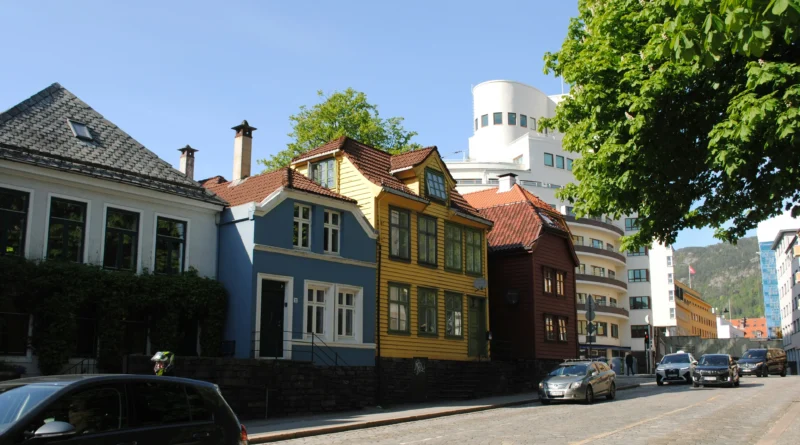
What Are The Best Home Architectural Styles For Modern Living
Chat about home building styles has shifted quite a bit over the last twenty years. Cities spread out more each day. Folks’ daily habits lean toward easy changes, warm comfort, and care for the environment. How someone designs their house reveals their personality. Plus, it highlights current values. Those in the architecture field and property sales need to spot styles that match today’s routines. That knowledge leads to houses that appear attractive and function smoothly.
How Do Contemporary Architectural Styles Reflect Modern Living?
Folks these days seek houses that use space wisely, adjust quickly, and blend well visually. Popular home designs blend plain appearances with genuine timber and spacious interiors. This shows up in urban builds. Glass fronts meet wood finishes there. Concrete pairs with foliage too. The point goes beyond mere attractiveness. It centers on creating livable spots. Such houses allow fresh air inside. They handle various uses. They also connect indoor and outdoor areas. Sometimes, a quick walk through a new development shows how these elements make everyday life smoother, even if it means a bit more upkeep with the plants.
Open-Concept Floor Plans
Open setups stand as a main feature in current construction methods. Designers avoid chopping areas into small, closed-off sections. Instead, they prefer flowing zones. Kitchens merge right into sitting rooms. More sunlight travels through. Social chats and family time improve. This plan suits compact urban units and larger yard houses alike. Every square foot gains purpose. Take a tiny flat in New York City, for instance. The open layout changed a tight corner into a sunny spot where pals could hang out without bumping elbows. Builders often note how it cuts down on walls, saving about 15% on materials in some projects.
Integration With Nature
Biophilic design grows in value steadily. It ties indoor spots to the natural world outside. Large panes allow sights of greenery or yards. Certain houses include indoor greenery. Some rely on vents for natural airflow. Owners desire vibrant living areas. They avoid sealed-off environments. In crowded urban zones, rooftop patches or vine-draped walls appear. These ease the stark city vibe. A Chicago high-rise unit once featured a full plant wall. On gloomy days, it turned the space into a mini oasis, almost like stepping into a backyard despite the concrete jungle below.
Sustainable Materials And Energy Efficiency
Caring for the planet ranks as essential in home construction these days. It forms a core part of the process. Creators select recycled lumber, bamboo bases, low-odor coatings, and heat-saving glass. Roof-mounted solar arrays become common. Devices that manage warmth act automatically. These items feel routine, far from sci-fi dreams. Such approaches align with global eco efforts. They lower ongoing expenses too. California builds frequently reduce power bills by around 30 percent with these additions. Industry pros share stories of homes that pay for themselves in energy savings within five years, though initial costs can surprise first-time buyers.
What Makes Mid-Century Modern Homes So Timeless?
Mid-century modern houses hold steady appeal for designers. They combine practicality and appearance effortlessly. The trend began during the 1940s through 1960s. It highlights straightforward visuals, even edges, and bonds with surroundings. These concepts ring true in the present. Plenty of residents adore them since they endure across eras. It seems as if they suit every period, almost like a classic car that never rusts.
Functional Simplicity
Each piece in these houses serves a clear role. Extra frills stay absent. Integrated seating and exposed racks demonstrate clever area management. Overload feels absent. The overall effect appears organic yet orderly. Younger buyers favor this for maintaining order. Clutter finds no room. Picture a Seattle household. They chose it for their first place. Basic racks stored reading materials and playthings neatly, without overwhelming the area. From experience, this setup often helps families during moves, as pieces fit perfectly without custom tweaks.
Connection To Landscape
A standout trait lies in its link to nearby terrain. Broad glass lets exterior scenes act as live artwork. Sliding panels dissolve the divide between home and yard. Smaller properties expand in feel. Amid trees, branches seem to extend indoors. A certain Oregon build came to mind from a designer’s tale. Transparent barriers framed woodland scenes that soothed all occupants. In rainy seasons, it added a peaceful touch, though cleaning those big windows takes extra effort on windy days.
Iconic Design Elements
Smooth planes, simple forms, and natural hints define the approach. Items like teak timber or rock elements bring gentle warmth to basic structures. Current makers refresh them with durable options. Engineered lumber or glossy cement serve well. These match eco standards now. Remakes often include such updates. They preserve vintage appeal while introducing novel angles. Spotting these in flipped properties has become routine, especially in neighborhoods blending old and new.
Why Are Minimalist Homes Gaining Popularity?
Minimalism shifted from a passing trend to a daily habit in house design. It attracts those craving quiet amid urban bustle. Increasingly, people select it for residences. Appearance plays a role. Yet calm sensations matter more in routine.
Clarity And Space
Such houses stress unobstructed sights via broad zones lacking add-ons. Hues remain mild, such as white, gray, or pale beige. Textures from fabric or stone emerge subtly. Harsh contrasts avoid. Tokyo’s small dwellings apply this for openness. A case involved pale barriers reflecting rays, transforming 500 square feet into a breezy haven. Designers point out how it tricks the eye, making rooms seem twice as large, though picking the right paint shade can be tricky under different lights.
Function Over Form
Design decisions favor actual utility above all. Concealed storage replaces large storage units. Versatile pieces suit multiple zones. Illumination accents framework over ornaments. Simplicity pairs with usefulness. Hectic caregivers benefit with reduced chores and extra bonding moments. In practice, this means quicker mornings, but sometimes it requires creative thinking to fit everything away.
Psychological Comfort
This building type aids mental sharpness by lessening cluttered visuals. Studies indicate tidy surroundings ease tension. Remote work makes this vital. Individuals balance careers and kin in one area. University research revealed better rest in sparse setups. Silent barriers seem to offer soothing vibes. It’s almost as if the emptiness invites deep breaths, helping with focus during long work calls.
How Does Industrial Style Fit Into Residential Design?
Industrial aesthetics once limited to repurposed mills or tall attics. Today, it influences everyday housing efforts globally. The vibe feels sturdy but appealing. Residents enjoy its genuine touch. Occasionally, it reminds one of old workshops, adding a story to plain walls.
Raw Materials And Textures
Bare brick barriers, visible iron supports, unpolished cement grounds. These coarse finishes value honesty above gloss. Style adherents embrace imperfections as strengths. Warm bulbs enhance coziness. London’s vintage brick lines received such makeovers. Visible surfaces narrated the structure’s history. In one street, it turned dated homes into trendy pads, saving owners from full teardowns while keeping that rugged charm intact.
Adaptive Reuse
The method excels at converting aged edifices to fresh dwellings. It guards heritage and reduces debris from fresh starts. Benefits extend to culture and ecology. Urban spots thrive on it for lively communities. Berlin’s mill-to-flat conversion stands out. Thick barriers cut heating expenses. Tenants reported 25 percent lower utility tabs, proving how old bones can support modern comforts without much alteration.
Urban Aesthetic Appeal
Metropolitan residents desire beyond sleek spires. They hunt for authentic atmospheres. Internal industrial elements offer boldness tempered by elegance. Gentle cloths or soft glows offset rigid features. The result yields resilient yet inviting nooks. Downtown pairs find it ideal. It distinguishes without excess effort. For city life, it pairs well with quick commutes, though the concrete can echo sounds more than softer floors.
What Role Does Scandinavian Design Play In Modern Architecture?
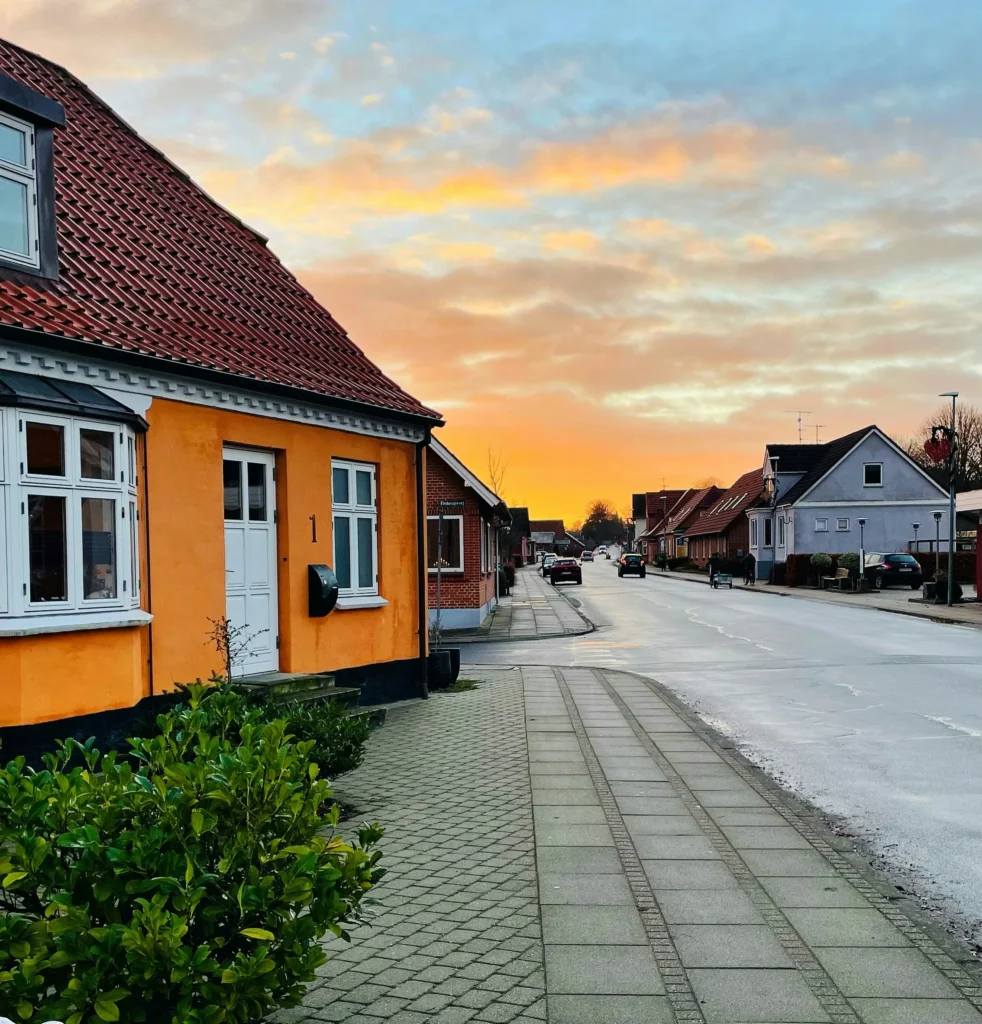
Scandinavian approaches enjoy worldwide favor. Human needs guide it. Basic outlines pair with inviting elements. Hence, it slots neatly into current residences. Its warmth sneaks in unexpectedly, like a hug from a familiar chair.
Light And Airy Interiors
Extended chilly seasons northward demand ample brightness. Thus, pale schemes and expansive glass prevail. The tactic adapts to varied conditions. Spaces gain joyful tones throughout seasons. Sweden treats it as usual. Yet in bright locales like Australia, it enhances without chill. Homes there often feature sheer curtains that filter sun, creating a soft glow that lasts from dawn till dusk.
Natural Materials And Textures
Timber dominates interiors. Birch underfoot or pine storage. Wool coverings or pottery accents provide depth sans disorder. Contact with authentic items matters. Synthetic gloss stays out. Danish abodes may include timber supports with faint sounds, evoking close woods. Crafters emphasize how these choices age gracefully, developing patina over time that adds character, much like a well-worn book.
Balance Between Form And Function
Objects in Scandinavian houses fulfill dual aims. They please the eye and perform tasks. Current desires align with this. Residences stay clever and attractive. Daily practicality shines. Households adapt easily. It supports routines from cooking to relaxing, with pieces that stack or fold when not in use.
How Are Smart Homes Shaping Architectural Design?
Technology alters space interactions. Interior climate tweaks to security measures integrate into core structures. Thrilling aspects include concealed cabling from day one. It feels like the house anticipates needs, sometimes turning on lights just as you enter after a long day.
Intelligent Infrastructure
Construction phases embed clever wiring. Users control illumination, warmth, or coverings via handheld gadgets or spoken commands through Alexa or Google Home Hub. Effort stays minimal. Operations run seamlessly. San Francisco’s recent erection allowed dimming for film evenings sans rising. Pros note how it boosts accessibility for elders, with voice alone handling 80 percent of daily adjustments.
Energy Management Systems
Constructors partner with gadget specialists. They install sun-capturing boards connected to clever trackers. Units tweak usage per presence. Savings hit wallets and world alike. Data indicates 40 percent drops in select locales. The dwelling acts independently. In variable climates, this prevents waste, like shutting vents when no one’s around, based on real occupancy patterns from past weeks.
Future-Proof Flexibility
Innovation advances swiftly. Thus, replaceable components prepare abodes for updates. Major repairs become unnecessary. Worth endures, and routines simplify across decades. Expanding regions benefit greatly. An authority recounted a flexible framework enabling voice additions post-build, avoiding structural changes. It keeps costs down long-term, around 20 percent less for upgrades compared to rigid designs.
FAQ
Q1: What Is The Most Popular Home Architectural Style Today?
A: Contemporary style leads globally due to its adaptability across climates and budgets while emphasizing sustainability and open layouts (source: American Institute of Architects 2023). Many experts agree it’s versatile for families of all sizes.
Q2: Are Traditional Styles Still Relevant In Modern Housing?
A: Yes. Many homeowners blend traditional façades with modern interiors for familiarity outside but functionality inside — known as transitional architecture (source: Architectural Digest 2022). This mix often appeals to those who grew up in older homes.
Q3: Which Style Offers The Best Energy Efficiency?
A: Passive house designs outperform others through airtight insulation systems reducing energy consumption up to 90% compared with conventional builds (source: Passive House Institute). They’re gaining traction in cold regions for their reliability.
Q4: How Can Small Spaces Benefit From Modern Design Principles?
A: Compact homes gain spaciousness through open plans, light-reflective materials, and integrated storage solutions inspired by minimalist design trends (source: Dezeen Magazine 2023). Urban dwellers especially love how it maximizes every inch.
Q5: What Is The Future Direction Of Residential Architecture?
A: Hybridization will dominate—merging smart technology with sustainable materials while maintaining emotional warmth through biophilic principles (source: World Architecture Festival Report 2024). Trends point to more personalized touches in coming years.