
How Does Anodized Aluminum Enhance Sustainable Building Design Efficiency
What Are The Principles of Sustainable Building Design
Sustainable building design has moved from a niche concept to a central pillar of modern architecture. You can see its influence in urban skylines, industrial complexes, and even small community centers. It’s no longer just about reducing energy bills—it’s about creating buildings that work in harmony with the environment and the people who use them. Materials like anodized aluminum have become essential because they combine durability, recyclability, and aesthetic flexibility. These qualities make them ideal for projects aiming to meet sustainability goals without sacrificing performance or appearance.
Environmental Responsibility in Building Design?
When you design sustainably, your first concern is how a building interacts with its environment. Every decision—from site selection to material choice—affects resource consumption and ecological balance. Buildings consume roughly 40% of global energy and produce over one-third of greenhouse gas emissions (source: International Energy Agency, 2023). This scale of impact means sustainable design isn’t optional; it’s a responsibility.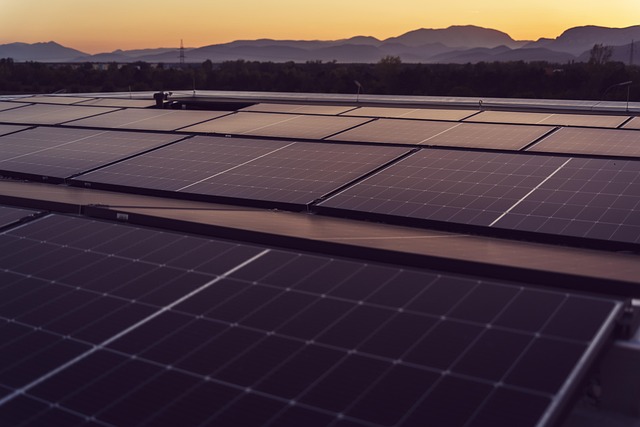
Energy Efficiency and Passive Design
Energy efficiency begins with passive strategies. Orientation, shading, insulation, and natural ventilation reduce dependence on mechanical systems. For example, positioning windows to capture winter sunlight while blocking summer heat can cut energy use by up to 30%. Using materials like anodized aluminum window frames helps too—they reflect heat effectively and require minimal maintenance over decades.
Renewable Energy Integration
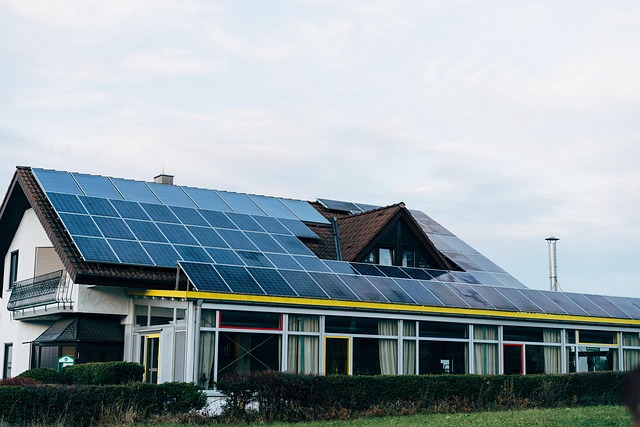
Beyond efficiency, renewable energy integration is key. Photovoltaic panels on roofs or facades turn sunlight into usable power. Modern façades often incorporate anodized aluminum panels that double as solar reflectors or supports for PV arrays. This combination extends system lifespan since anodized coatings resist corrosion even in harsh climates.
Resource Efficiency and Material Selection?
Material choices define both the environmental footprint and long-term viability of a building. The goal is to reduce waste, use recycled content where possible, and prioritize materials with low embodied energy.
Recyclable and Durable Materials
Durability matters as much as recyclability. Anodized aluminum fits this principle perfectly—it can be recycled indefinitely without losing quality, and its oxide layer protects against wear and corrosion. That means fewer replacements over time and less waste entering landfills. According to the Aluminum Association (2022), nearly 75% of all aluminum ever produced is still in use today—a remarkable statistic that highlights its circular potential.
Life-Cycle Assessment
Life-cycle assessment (LCA) evaluates environmental impact from production through disposal. You should assess not just the cost at installation but also maintenance needs, energy performance, and end-of-life recyclability. For instance, an anodized aluminum curtain wall might have higher upfront costs than painted steel but offers lower maintenance expenses across decades.
Human Health and Comfort?
Sustainable design isn’t only about saving resources—it’s also about improving human well-being inside buildings.
Indoor Air Quality
Healthy indoor environments rely on proper ventilation and non-toxic materials. Low-VOC finishes, formaldehyde-free composites, and natural fibers improve air quality significantly. Anodized aluminum contributes here as well because it doesn’t emit volatile compounds or degrade into harmful particulates.
Thermal Comfort and Daylighting
Thermal comfort depends on insulation values, glazing types, and interior airflow patterns. Natural light enhances mood and productivity while reducing reliance on artificial lighting. Facades using anodized aluminum louvers can control glare while reflecting daylight deeper into rooms—a subtle but effective strategy that merges aesthetics with performance.
Water Conservation Strategies?
Water scarcity is an increasing concern globally, making conservation integral to sustainable design practices.
Efficient Fixtures and Greywater Systems
Installing low-flow fixtures reduces consumption instantly. Greywater recycling systems reuse lightly used water from sinks or showers for irrigation or flushing toilets—cutting potable water demand by up to 50%.
Landscape Integration
Exterior landscaping also plays a role. Native plants require less irrigation than imported species. Permeable pavements made from recycled aggregates help recharge groundwater instead of directing runoff into storm drains.
Innovation Through Material Technology?
Technological innovation drives sustainability forward faster than regulation alone ever could.
Smart Materials
Smart materials adapt dynamically to environmental conditions—thermochromic glass adjusts tint based on sunlight intensity; phase-change materials store heat during the day for release at night. Pairing these technologies with structural elements like anodized aluminum frames allows for lighter assemblies without sacrificing strength or longevity.
Modular Construction
Prefabrication minimizes onsite waste by producing components under controlled factory conditions where scrap can be reused efficiently. Modular panels clad in anodized aluminum are popular because they combine precision manufacturing with easy assembly—ideal for both commercial towers and residential retrofits.
Economic Viability in Sustainable Design?
While sustainability has moral weight, it must also make financial sense for developers and occupants alike.
Cost-Benefit Perspective
Though green technologies may increase initial costs by 5–10%, operational savings often offset this within five years (source: World Green Building Council). Lower utility bills, reduced maintenance needs, and longer asset lifespans all contribute to better total cost performance.
Market Value Enhancement
Buildings certified under LEED or BREEAM frameworks command higher rental rates—sometimes 8–10% more than conventional structures (JLL Global Sustainability Report 2022). Tenants increasingly prefer environmentally responsible spaces that align with corporate ESG commitments.
Social Equity in Sustainable Architecture?
Sustainability extends beyond ecology—it includes fairness in how spaces serve communities.
Accessibility and Inclusivity
Designing accessible environments benefits everyone: ramps instead of stairs where possible; tactile surfaces for visually impaired users; acoustically balanced interiors that accommodate hearing differences.
Community Engagement
Projects gain legitimacy when local stakeholders participate early in planning phases. Community gardens on rooftops or shared solar installations create tangible social value beyond environmental metrics alone.
Maintenance And Longevity?
Longevity reduces environmental load more effectively than frequent replacement cycles ever could.
Low-Maintenance Surfaces
Anodized aluminum again stands out here—it resists fading under UV exposure better than painted alternatives and needs only periodic cleaning rather than recoating every few years.
Adaptive Reuse Potential
Designing flexible layouts allows future adaptation instead of demolition when functions change—turning old warehouses into offices or schools rather than rubble piles saves both resources and history simultaneously.
FAQ
Q1: What makes anodized aluminum suitable for sustainable buildings?
A: Its durability, corrosion resistance, recyclability, and aesthetic versatility make it ideal for long-lasting structures with minimal maintenance requirements.
Q2: How does passive design reduce energy consumption?
A: By using natural ventilation, shading devices, insulation layers, and orientation strategies that minimize heating or cooling loads year-round.
Q3: Why is life-cycle assessment important?
A: It reveals hidden environmental costs across production, operation, maintenance, and disposal stages—helping you choose truly sustainable materials rather than just low-cost ones upfront.
Q4: Can sustainable buildings be economically profitable?
A: Yes; operational savings from reduced energy use often outweigh higher initial investments within a few years while enhancing property value long-term.
Q5: What role does community play in sustainable architecture?
A: Engaging local users ensures projects respond authentically to social needs while fostering shared stewardship over built environments that last generations.