
Modern Farmhouse Exterior vs Traditional Which Is Better
The argument between the modern farmhouse outside look and the old-fashioned farmhouse style pops up a lot in talks among home owners, builders, and style experts. You spot these two looks all over the place. They range from city-edge neighborhoods to country hideaways. Each one has its own clear character. Picking one over the other goes beyond just how it appears. It ties into daily life, upkeep needs, and the overall feel of your house from the street right inside. I remember driving through a quiet suburb once and seeing a row of these homes. The modern ones stood out with their sharp edges, while the traditional ones blended into the background like old friends.
What Defines a Modern Farmhouse Exterior?
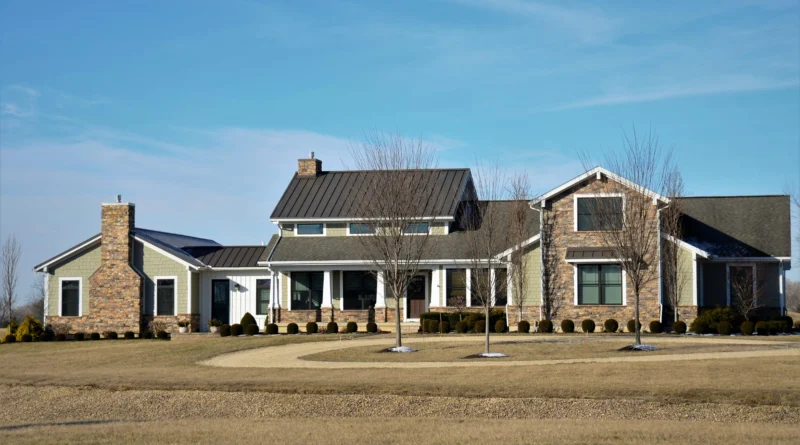
The modern farmhouse outside is way more than a passing fad. It takes the rough country style and views it through simple shapes and neat lines. This mix brings together simple country appeal with city polish. As a result, homes feel cozy yet new. Think about a house in the Midwest. It might have wide open fields nearby, but the design pulls in fresh air and light without feeling out of place.
Architectural Elements and Materials
A common modern farmhouse outside uses board-and-batten walls, metal tops, and big black-rimmed windows. The color choices often stick to bright whites or gentle grays. They pair with dark edges or raw wood shades. Builders pick these not only for how they look but also for how long they last and how kind they are to the earth. Lots of folks go for fiber cement walls. This stuff looks like wood but fights off rot and bugs far better than real logs from the past.
Color Schemes and Finishes
Old farmhouses stuck mostly to wood colors or soft shades from nature. But newer takes love bold differences. White outsides with black touches mark the main style. Flat surfaces beat shiny ones. This keeps things looking real while adding a fresh touch. In rainy areas, this setup helps too. It hides dirt better than glossy paints that show every spot.
Functionality and Layout
Modern farmhouses put open spaces first. They link inside rooms to outside spots without breaks. Roofed porches stretch out the usable areas. Sliding glass doors take the place of old swinging ones for easy flow. This setup draws in people who want rooms full of sun. At the same time, it keeps things private and comfy. For families with kids, this means backyard play feels like part of the house. No need for big doors slamming all day.
How Does the Traditional Farmhouse Exterior Differ?
The old-style farmhouse outside stands for family roots. It comes from real needs, not just trends. This look shows skilled work from times when houses had to handle tough weather. They used what was close by to build strong.
Structural Characteristics
Old farmhouses usually have sharp sloped roofs, broad front steps, even fronts, and two-part windows with split glass. Rock bases or brick stacks add common touches that make these places feel lasting. New styles push for smooth looks. But old ones highlight rough feels. Wood patterns, stacked rocks, or overlapping boards share tales of hard work and local ways. Picture an old barn in the hills. Its uneven stones tell years of storms survived.
Material Authenticity
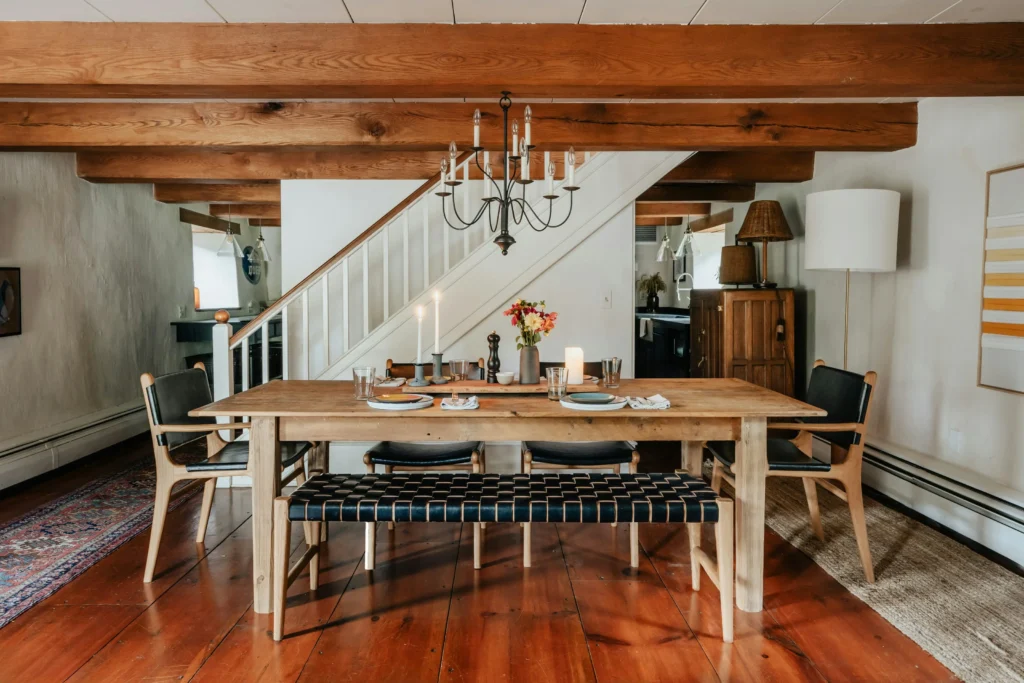
Real wood rules old outsides. Pine or cedar boards match with tin covers or flat stones from slate or tar mix. Paint picks soft yellows, deep reds like barns, quiet greens, or blues from the sky and fields. These help old farmhouses fit right into country views. They don’t jump out too much against the land. In places like New England, this means the house looks part of the trees and soil.
Design Philosophy
Deep down, the old farmhouse idea puts use before looks. Wide overhangs block rain well. Deep steps give cool shade. Small glass sections hold warmth in cold times. Each part has a job tied to weather needs. It focuses less on even looks alone. Farmers back then built like this to save on fixes year after year. It worked for generations.
Which Style Offers Better Curb Appeal?
First looks from the street rely on the message you want your home to send right away. Modern farmhouses show newness and class. Traditional ones give off fond memories and kindness. Both can look great if done right. But they pull at different feelings inside. Sometimes, in a busy neighborhood, one style just clicks more than the other.
Visual Harmony With Surroundings
In areas near cities where new builds rule, modern farmhouses slide in easy. Their straight lines match homes next door. On the flip side, country lands often pick old styles. These echo farm life through real stuff like wood or rock. A friend of mine redid her rural spot with traditional touches. It made the place feel like it grew there naturally.
Market Perception
House sale facts from Zillow in 2023 point out something key. Homes called “modern farmhouse” got 22% more peeks than usual city-edge houses in the same cost range all over the U.S. This shows strong pull from buyers for this look when selling (source: Zillow Housing Trends Report 2023). Yet in old town spots or farm lands, classic homes hold more draw over time. People who care about keeping history like that real feel a lot.
Personal Expression
Going with one style also shows who you are. If you like plain ways mixed with new ideas, the modern farmhouse fits best. If you value hand work from family lines, the old way wins out. Nothing beats the other flat out. It matches what you hold dear and where you live. For me, it’s like picking a favorite spot to relax. One might feel right on a sunny porch, the other in a quiet yard.
How Do Maintenance Requirements Compare?
Upkeep matters big time in how happy you stay with your choice over years. Outside care hits both your wallet and how sharp the place looks for decades. Nobody wants a house that falls apart fast. That’s why thinking ahead helps.
Durability of Materials
New designs often grab mixed stuff made to last long. Metal tops hold up to 50 years. Asphalt flat covers manage just 20 (source: National Association of Home Builders Report 2022). Fiber cement walls need less fresh paint than wood boards on past homes. Old wood calls for steady seals from water. But if you keep at it, it gains real charm as time passes. In wet spots, I’ve seen old wood warp without care, while new stuff stays put.
Energy Efficiency
Modern farmhouses add good warmth barriers behind simple fronts. Low-E glass lets in views but cuts heat loss (source: U.S Department of Energy Building Technologies Office 2021). Old builds can match this after updates. But it costs more up front. That’s because their frames came before rules on saving power. Those started after the 1970s oil shortages (source: DOE Historical Review on Residential Energy Codes). A quick fix like new windows can change everything, though. Bills drop right away.
Seasonal Upkeep
Old outsides ask for more checks each season. Wood swells in wet summers. So you repaint every five years. Metal tops on new homes fight rust better. They just need a wipe after big rains or snow piles. This depends on your area’s weather, as noted by NOAA Climate Data Center (2022). In snowy states, clearing roofs yearly keeps things safe and clean.
Does One Offer Better Return on Investment?
For folks eyeing sale worth next to how it looks, weighing gains counts a ton. You balance smart money moves over time spans past short stays. Most people keep homes 10 to 15 years on average, per U.S Census Bureau (2023). It’s not just about now. It’s the long game that pays off.
Cost Efficiency Over Time
Starting build costs for modern farmhouses run a bit higher. That’s mostly from top touches like black steel window edges. But they save later on fixes. It averages $1 per square foot each year. Old wood-covered homes run $2 to $3. They face rot risks in damp air, says HomeAdvisor Cost Analysis Study (2023). Over 20 years, that adds up quick. One owner I know switched to modern and cut his yearly chores in half.
Resale Value Trends
From Realtor.com Market Insights Q4 2023, spots tagged “modern farmhouse” saw middle growth near 8% each year since the health crisis boom. Standard country looks stayed around 5%. This hints new styles draw more excitement from buyers now. Young groups entering home buys like green parts and clean sights. That ties to online life wishes, as in Pew Research Center Consumer Behavior Survey (2022). In hot markets like Texas, modern sells faster every time.
Long-Term Adaptability
New outsides take changes easy. You can add sun power boards or car charge spots with hidden lines. Old fronts face rules that block big shifts in kept areas. Local rules guard past looks, per National Trust Preservation Guidelines (2021). So being open to tweaks adds steady money strength. It fits changing wants around green living, as in World Green Building Council Reports (2022). Down the road, homes that flex with tech hold value better. It’s like planning for the next big shift in how we live.
FAQ
Q1: What Are Key Differences Between Modern And Traditional Farmhouse Exteriors?
A: New takes stress straight lines and few extras. They use sharp color matches. Old ones aim for even shapes, rough feels, and skilled details. These show past realness.
Q2: Which Style Requires Less Maintenance Over Time?
A: New builds often ask for fewer fixes. They use strong stuff like fiber cement and metal tops. These stand up to wear better than old wood boards that need steady seals.
Q3: Do Modern Farmhouse Exteriors Increase Property Value More Than Traditional Ones?
A: Fresh facts show new styles pull in more buyers. They lead to a tad higher growth rates. But where you are still shapes sale results most.
Q4: Can A Traditional Farmhouse Be Updated To Look More Modern Without Losing Charm?
A: Sure, mixing parts does the trick. Swap old glass for slim black ones. Add light paint shades. Keep the step posts. This holds the old warmth with a new spin.
Q5: Which Style Is More Sustainable Environmentally Speaking?
A: New farmhouses usually do better on green scales. They mix in power-saving glass and reused mixes. Old ones use real woods but call for steady earth resources in fix rounds. Over all, their green mark runs bigger in long views from eco count ways.