
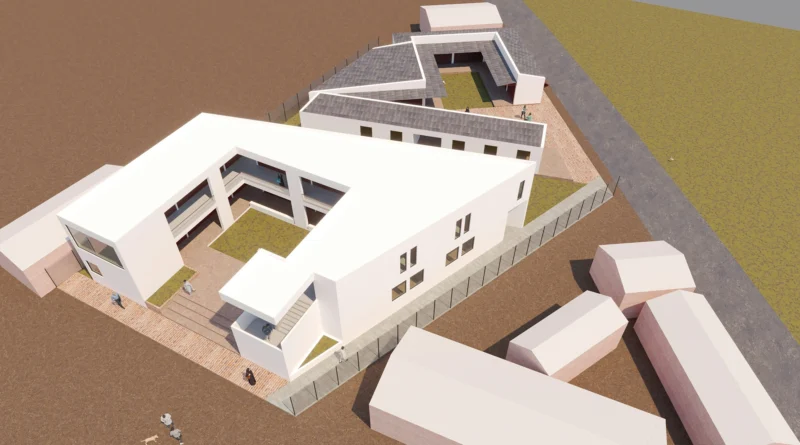
How To Choose The Perfect House Plans For Your Needs
Picking the right house plans stands as one of the key steps in building a home. The design you pick shapes not just the appearance and comfort of your living area, but also how it works day to day, the overall price tag, and its worth down the road. If you are a homeowner dreaming of a fresh build, or an architect helping clients, knowing how to check and choose fitting plans can cut down a lot on time and money spent. In the next parts, we look at ways to make smart choices about house plans. These choices come from your daily life, your money limits, the land you have, and the building style you like.
What Factors Should You Consider Before Selecting House Plans?
Before you jump into certain designs, take time to look at your wants and limits. Each choice—from the total size to how rooms are set up—impacts building prices and how cozy you feel every day. A good plan mixes what you like with what makes sense in real life. I remember a family who skipped this step and ended up with a home that felt too cramped for their busy evenings; it taught me how vital this planning is.
Lifestyle and Family Requirements
House plans need to match how you live now and maybe in a decade. For a family that is growing, you might want rooms that can change uses, like a spare bedroom that turns into a play area. Or think about open kitchens where you can see kids in the living room while cooking. If you work at home a lot, pick a quiet spot for an office, far from noisy paths. People who love hosting guests often go for big eating spaces or patios outside. These connect to the house with big glass doors, so inside and outside blend nicely. In my view, overlooking this can lead to regrets, like when a couple realized their plan lacked space for holiday gatherings.
Budget and Cost Efficiency
Your money plan draws the lines for all design picks. Building prices tie to the full size, the stuff you use, how tricky the roof shape is, and the small finishing touches. A smaller layout with straight lines usually cuts down on extra materials and work hours. Set aside about 10 to 15 percent of your funds for surprises, such as ground problems or changes to the plan during the build. For instance, one builder I know added extra for rocky soil, and it saved them from big delays later.
Site Conditions and Orientation
The features of your land—its hill level, the dirt kind, how much sun it gets, and what you see around—should steer your choice of house plans. If the ground slopes, you may need homes with levels split or raised bases to handle water flow well. In warm places, point main rooms north to south to keep out extra heat. But in cold spots, aim for south-facing spots to bring in more sun and warmth. A friend built on a windy hill and chose a design that blocked gusts; it made their home feel snug year-round.
How Do Architectural Styles Influence Your Choice?
Building style goes beyond just looks; it shapes the build, the materials, and even how well it saves energy. Picking a style that fits your area’s weather and what you enjoy creates a good match between style and use. Sometimes, folks mix styles a bit, like adding modern touches to an old-school base, which can make things personal without going overboard.
Modern Minimalist Designs
Modern homes with a simple touch focus on straight lines, wide-open setups, and big windows that let in plenty of daylight. These often use metal, glass, and cement for a sharp look. At the same time, they stay good on energy by adding thick insulation and ways to use sun power without much effort. Picture a sleek place in the city where light floods the rooms all morning—it’s practical and calm.
Traditional or Classic Styles
Plans from the past pull ideas from old colonial homes or craftsman builds. They have sloped roofs, even fronts, and fancy edge work. Such styles give a lasting charm, but they might need more upkeep because of the detailed outside parts. In neighborhoods with history, these fit right in, though owners sometimes complain about painting trim every few years.
Contemporary Eco-Friendly Concepts
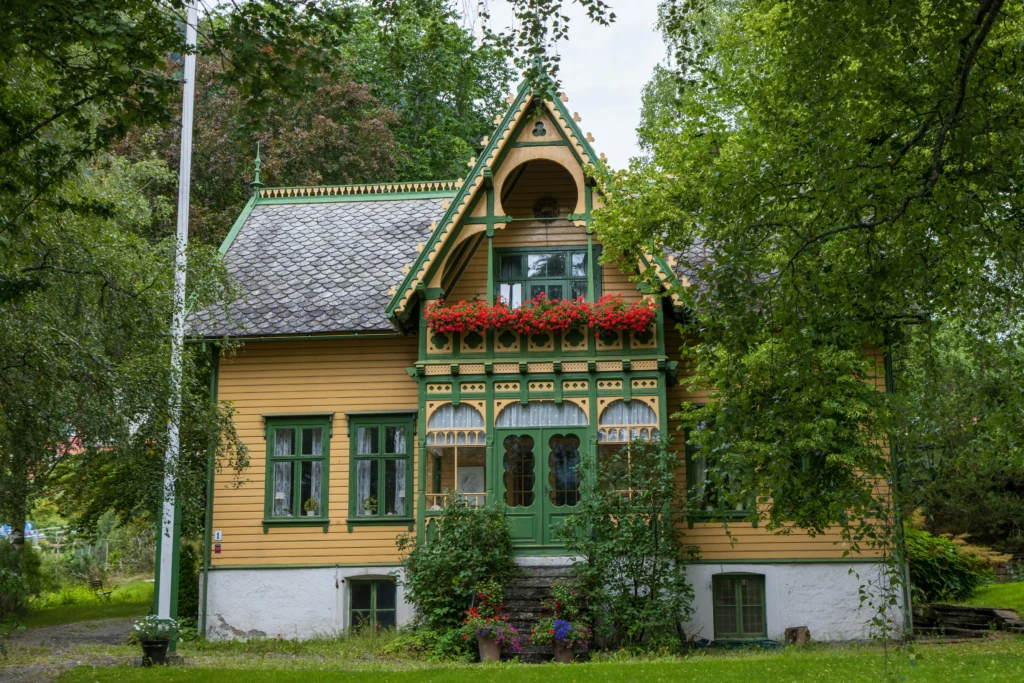
Being kind to the earth matters a lot in today’s builds. Green house plans mix in stuff like wood from fast-growing plants for floors or reused metal for frames. They add smart setups for power from the sun or collecting rain water. Over years, this cuts down on bills for lights and heat, and it helps the planet too. One eco-home I heard about saved its owners 30 percent on energy costs in the first year alone, proving the worth in real numbers.
Why Is Floor Plan Functionality So Important?
A pretty front does not help much if the inside layout fails to make life easy. Smart floor planning lets people move around smoothly. It also keeps private spots away from busy ones. Without this, homes can feel awkward, like a kitchen that’s too far from the back door for quick grocery runs.
Flow Between Rooms
Good movement inside is vital for a home that feels right. Open setups make things seem bigger, but they might let noise travel too freely. Closed-off rooms give quiet, yet they can seem tight if light does not come in well. So, balance is key—maybe mix a few walls with wide openings. In practice, families with young kids often pick flows that keep an eye on play areas from the cooking spot.
Zoning for Privacy
Smart dividing splits open spots like family rooms from quiet ones like sleep areas. For homes with grandparents living in, think about two main bedrooms on different levels or sides. This way, everyone has their own space but can share the kitchen or yard. It’s a setup that works for about 20 percent of new builds these days, based on recent surveys.
Storage Integration
Plenty of places to put things stops mess from taking over. Add shelves under stairs or big closets in the food prep area. This uses space well without making the house larger. I’ve seen homes where smart storage turned chaos into order, especially in small city lots where every inch counts.
How Can You Adapt House Plans to Future Needs?
Life shifts over time—kids leave, elders join, habits change. Plans that bend with these help avoid big fixes later on. It’s like planning for rain in a garden; you want roots that grow deep. Not everyone thinks ahead, but those who do end up happier in the long run.
Expandable Layouts
Pick plans that let you add on later, either out to the side or up high, without messing up what’s already there. For example, leave an attic unfinished so it can become a sleep room or work spot when the time comes. This flexibility saved one couple thousands when their family grew unexpectedly.
Multi-Purpose Rooms
Spaces that serve more than one job bring extra use. A spare room might work as a desk area with chairs that fold up. Or a lower level could be for fun games one day and extra storage the next. Such ideas fit changing family sizes, and they’re common in plans from the last five years.
Accessibility Features
Build in easy-access parts from the start to skip pricey changes down the line. Think wide doors, no steps at the front, and easy-grip handles over round ones. These make the house simpler for older folks or anyone with trouble moving. In fact, adding them early can boost home value by up to 5 percent, per real estate reports.
What Role Does Technology Play in Modern House Plans?
Tech shapes home use more these days than ever. Smart tools add ease, boost safety, and cut waste. From lights that dim on command to locks that check your phone, it’s changing how we live. But remember, not every gadget fits every budget—start small if needed.
Smart Home Integration
New house plans often make room for clever lights, auto temperature controls, watch cameras, and fun systems for movies or music. You run them all from a phone app or by talking to a device. This setup makes daily tasks quicker, like turning off lights from the car after work.
Energy Management Systems
Designs that save power go well with meters that track electric use right away. These tools spot when you’re using too much, so you can tweak habits fast. In one case, a family cut their bill by 25 percent just by seeing patterns in their evening TV time.
Home Office Infrastructure
Since remote jobs took off in 2020—according to Statista stats—lots of fresh house plans now have set-aside work spots. These come with noise blocks and plug-in points for steady internet. It’s a must for folks juggling calls and family noise, making the shift to home work smoother.
How Do You Evaluate Professional Design Services?
Even pros in building turn to experts for final house plans. Tiny mistakes here can lead to big costs fixes later. So, checking services carefully pays off. Always ask for past work samples to get a feel for their style.
Working With Architects or Designers
These experts turn your thoughts into solid drawings that follow local rules. They also fix how rooms connect and keep the outside looking balanced. Teaming up with them often spots issues early, like a window that blocks a view you love.
Custom vs Pre-Designed Plans
Made-to-order designs let you add your own twists, but they cost more. Ready-made plans save cash, though you might tweak them for your land or area laws. Many start with a basic plan and adjust it a little with help from pros. This middle path works for about half of builders, from what I’ve seen.
Reviewing Blueprints Carefully
Before you say yes, check that all sizes fit your chairs and walking paths. Miss something small, like how a door opens or where a window sits near the sink, and it might bug you once walls go up. Double-check with a fresh eye after a day away from it.
FAQ
Q1: What Is the Average Cost of Developing Custom House Plans?
A: Prices change a lot based on how detailed it is, but they usually fall between 3 percent and 8 percent of the full build price, per HomeAdvisor info from 2023. For a $300,000 home, that might mean $9,000 to $24,000—worth it for a perfect fit.
Q2: Can I Modify Pre-Designed House Plans?
A: Sure, most creators let you change things like room lengths or move walls around. But big shifts to the frame might need checks from trained experts. It’s common to swap a bath for a closet without much hassle.
Q3: Which House Plan Style Offers Best Energy Efficiency?
A: New green styles usually do the best job. They use ways to heat and cool with less work, plus materials like thick walls or plant-covered roofs. In sunny spots, these can drop energy needs by 40 percent over older designs.
Q4: How Long Does It Take To Finalize Architectural Drawings?
A: It depends on how many changes you want. Simple tweaks to ready plans might wrap in two weeks. Full custom ones with expert checks can stretch to three months. Rush jobs sometimes cut it short, but quality suffers if you push too hard.
Q5: Are Online House Plan Purchases Reliable?
A: Good sites give full details that match world standards. Still, check the background of the plan makers before you buy digital files. This avoids headaches when you go for building permits—better safe than stuck with unusable drawings.