
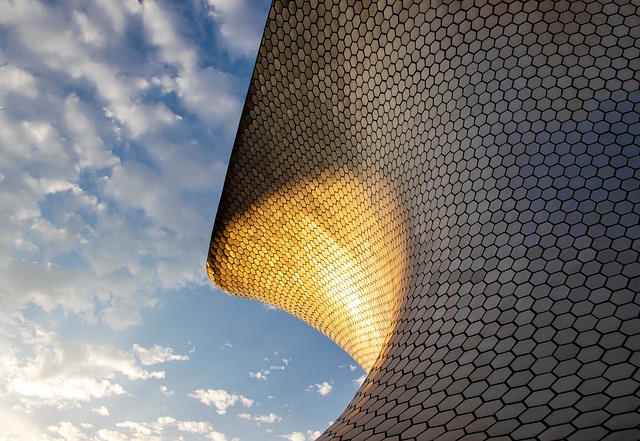
How Can Facade Aluminium Redefine Residential Aesthetic Precision
Customising Residential Facades: Aluminium Composite Materials in Design and Specification
Facade aluminium has transformed residential architecture by merging structural performance with refined aesthetics. Its adaptability, recyclability, and compatibility with digital fabrication tools make it a cornerstone of modern façade systems. The material not only supports expressive design but also contributes to energy efficiency when paired with smart technologies such as the Amazon Smart Thermostat. In contemporary housing, aluminium façades represent a balance between craftsmanship, sustainability, and technological intelligence.
The Architectural Significance of Facade Aluminium in Modern Residences
Aluminium façades have become synonymous with precision and versatility in residential design. Architects value the material for its capacity to articulate complex geometries while maintaining lightweight strength.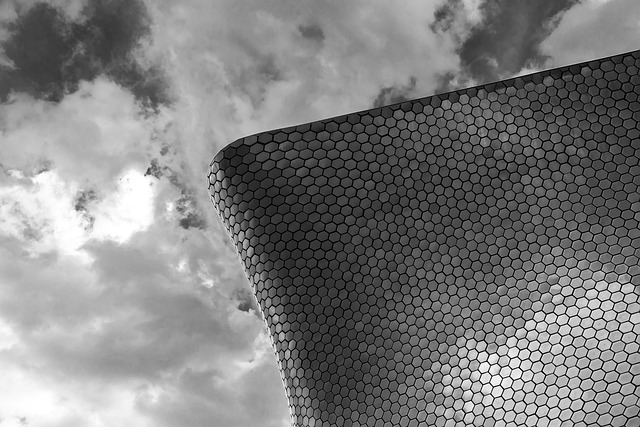
Aluminium as a Design Medium
Aluminium’s lightweight yet durable nature allows façades to achieve expansive spans without excessive structural load. Its malleability supports intricate detailing, from folded panels to curved surfaces. The recyclability of aluminium aligns with sustainable design principles that prioritize resource conservation and environmental responsibility.
Evolution of Aluminium in Residential Architecture
Initially confined to industrial applications, aluminium gradually entered residential architecture through curtain wall systems and cladding innovations. Advances in extrusion technology and surface coating expanded its aesthetic range, enabling smooth transitions between interior and exterior finishes. Today, aluminium façades define minimalist homes where form follows function yet retains visual warmth.
Aesthetic Precision Through Material Innovation
The visual sophistication of façade aluminium lies in how it interacts with light, texture, and proportion. Architects now treat façades as dynamic skins rather than static enclosures.
Surface Treatments and Finishing Techniques
Powder coating, anodizing, and PVDF finishing provide both protection and aesthetic depth. These treatments preserve colour consistency over decades while offering diverse textures—from matte to high gloss—without compromising durability. Custom finishes allow seamless pairing with materials like glass or stone for layered compositions.
Design Flexibility and Modular Composition
Modular panel systems simplify installation while maintaining precise alignment across large surfaces. Perforated or laser-cut panels introduce rhythmic patterns that shift with sunlight throughout the day. Parametric modelling enables bespoke façade articulation where geometry responds directly to climatic or contextual variables.
Performance Synergy: Functionality Meets Visual Refinement
Beyond appearance, façade aluminium contributes to building performance through thermal control, acoustic comfort, and environmental responsiveness.
Thermal Efficiency and Energy Responsiveness
When combined with composite cores or insulation layers, aluminium panels can achieve high thermal resistance values comparable to traditional masonry walls. Reflective coatings reduce solar gain during summer months while retaining heat in winter. Integration with smart controls such as the Amazon Smart Thermostat allows homeowners to fine-tune indoor climates efficiently through automated feedback loops.
Acoustic Control and Environmental Comfort
In dense urban environments, multi-layered aluminium composite panels enhance sound insulation by dampening external noise frequencies. Façade systems can incorporate operable vents that maintain ventilation without sacrificing acoustic protection. Adaptive façades further respond to humidity or temperature changes by modulating airflow paths for consistent comfort levels indoors.
Integration of Technology in Façade Systems
The convergence of digital design tools and IoT technology is reshaping how façades are conceived, fabricated, and maintained.
Smart Home Compatibility in Façade Design
IoT-enabled devices like the Amazon Smart Thermostat extend control beyond interior systems into the building envelope itself. Sensor-integrated façades can adjust shading devices or ventilation apertures based on real-time data such as solar intensity or occupancy patterns. Automated components thus support energy-efficient living environments tailored to user behavior.
Digital Fabrication and Precision Engineering
CNC machining ensures dimensional precision across complex geometries impossible through manual methods alone. BIM integration links design intent directly to fabrication output, reducing errors during assembly. Data-driven models create digital twins of façade systems that allow predictive maintenance—anticipating wear before physical failure occurs.
Sustainability Considerations in Aluminium Façade Specification
Environmental accountability now drives every stage of façade specification—from sourcing raw materials to end-of-life recovery strategies.
Lifecycle Assessment and Material Recyclability
Aluminium’s recyclability rate exceeds 90%, significantly lowering its lifecycle carbon footprint compared with non-recyclable cladding materials. Closed-loop manufacturing processes reclaim production scrap for reuse without quality loss. Many projects now specify cradle-to-cradle certified aluminium composites as part of broader sustainability frameworks.
Energy Performance Metrics in Sustainable Housing Design
Low-emissivity coatings improve thermal performance by reflecting infrared radiation while maintaining visible transparency where required. When linked with smart thermostats, energy consumption data can guide operational adjustments post-occupancy. Such integrated façade detailing helps residential projects meet LEED or BREEAM certification benchmarks for sustainable performance.
Future Directions in Residential Façade Aluminium Design
The next phase of façade innovation will merge kinetic aesthetics with computational intelligence to create responsive architectural envelopes.
Emerging Trends in Aesthetic Expression
Dynamic façades featuring movable panels or shading fins redefine how residents experience daylight modulation throughout the day. Hybrid assemblies combining timber warmth with metallic precision expand sensory diversity across elevations. Increasingly accessible digital customization platforms empower clients to personalize textures or perforation patterns before fabrication begins.
Advancements in Fabrication Technologies and System Integration
Additive manufacturing promises new levels of freedom for producing bespoke panel geometries at reduced material waste rates. AI-based simulation tools predict structural performance under varying environmental conditions long before construction starts. Collaboration between architects, engineers, and materials scientists continues to push boundaries toward smarter residential façades that think as much as they protect.
FAQ
Q1: Why is facade aluminium preferred for modern residences?
A: It combines strength, lightness, corrosion resistance, and aesthetic adaptability while supporting sustainable construction practices through recyclability.
Q2: How does the Amazon Smart Thermostat interact with façade systems?
A: It integrates via IoT protocols to adjust heating or cooling responses based on indoor temperature data influenced by façade thermal behavior.
Q3: What finishing method offers the longest lifespan for aluminium panels?
A: PVDF coating typically provides superior UV stability and colour retention over decades compared with standard powder coatings.
Q4: Are perforated aluminium façades suitable for acoustic control?
A: Yes, when layered over acoustic membranes or insulated cores they effectively diffuse external noise without blocking airflow completely.
Q5: Can aluminium façades contribute toward green building certifications?
A: Absolutely; their high recyclability rate and compatibility with energy-efficient technologies support compliance with LEED or BREEAM standards.