
How Eco Sustainable Design Shapes Sharjah Public Works School Projects
Sharjah Public Works Highlights Sustainable School Design
Sharjah’s Public Works Department has taken a decisive step toward embedding eco sustainable design within its educational infrastructure. The emirate’s strategy aligns environmental responsibility with learning environments, creating schools that conserve resources while enriching student experience. This approach merges architectural innovation, renewable integration, and social engagement, setting a benchmark for green public buildings across the region.
The Vision of Eco Sustainable Design in Sharjah’s Educational Infrastructure
Sharjah’s educational projects are not just about constructing buildings; they represent a shift toward ecological stewardship and long-term efficiency. The Public Works Department integrates sustainability principles into every phase of school development, from concept to completion.
Integrating Environmental Responsibility into Public Works Strategy
Sharjah’s Public Works Department aligns school construction with sustainability goals by embedding eco sustainable design principles throughout the process. Each project aims to reduce environmental impact while improving the quality of learning spaces. This dual focus ensures that schools are both energy-conscious and conducive to academic excellence. The department’s strategy reflects a broader governmental push toward sustainable urban development, where education facilities act as catalysts for environmental awareness.
Policy Framework Supporting Sustainable School Projects
The policy framework driving these initiatives is built on government directives that encourage adherence to green building standards such as Estidama and LEED. Collaboration between urban planners, architects, and environmental engineers ensures that each project complies with rigorous sustainability benchmarks. Long-term strategies emphasize energy efficiency, resource optimization, and lifecycle cost reduction—key factors in maintaining operational sustainability over decades.
Architectural Approaches to Eco Sustainable Design in Schools
The architectural expression of Sharjah’s eco sustainable schools blends modern design with climatic adaptation. These buildings respond intelligently to local conditions while maintaining aesthetic harmony and functional resilience.
Passive Design Techniques for Climate Adaptation
Passive design is central to reducing dependence on mechanical cooling systems in Sharjah’s hot climate. Building orientation maximizes natural light and cross ventilation, cutting energy demand significantly during daylight hours. Shading devices such as louvers and pergolas minimize solar gain, while thermal insulation stabilizes indoor temperatures. Reflective roofing materials further reduce heat absorption, lowering cooling loads by up to 20% in some case studies across the Gulf region.
Sustainable Material Selection and Construction Practices
Material selection plays a pivotal role in achieving eco sustainable design objectives. Preference is given to locally sourced materials with low embodied carbon to minimize transportation emissions. Recycled aggregates, bamboo finishes, and renewable timber are increasingly common in structural and interior applications. During construction phases, waste management systems separate recyclables from general waste streams to promote circular resource use—a practice consistent with ISO 14001 environmental management standards.
Energy Efficiency and Renewable Integration in School Facilities
Energy efficiency underpins the operational performance of Sharjah’s new-generation schools. The integration of smart technologies and renewable systems transforms these institutions into intelligent energy hubs.
Smart Energy Systems and Building Management Technologies
Automated building management systems (BMS) monitor lighting, HVAC performance, and overall energy consumption in real time. Smart sensors adjust operation schedules based on occupancy patterns—turning off unused lights or moderating air conditioning during low activity periods. Data analytics tools support predictive maintenance by identifying inefficiencies before they escalate into costly repairs. This approach aligns with global best practices outlined by the International Energy Agency (IEA) for public sector energy management.
Solar Power Utilization in School Projects
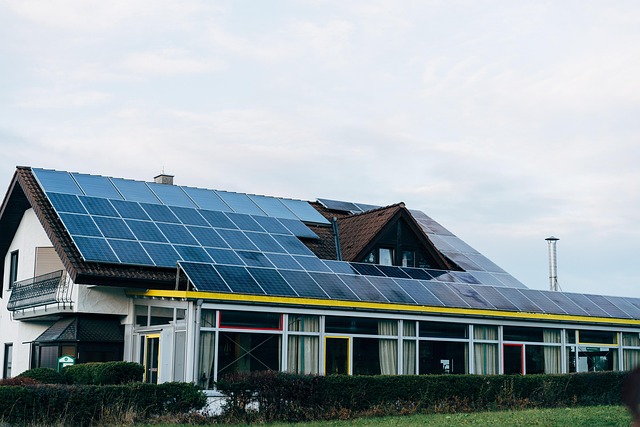
Solar power has become a defining feature of Sharjah’s school designs. Photovoltaic panels installed on rooftops generate clean electricity sufficient to power classrooms and administrative offices during peak hours. Solar water heating systems further reduce reliance on grid electricity for domestic needs such as cafeterias or laboratories. Coupled with battery storage solutions, these installations maintain reliable power supply even during grid fluctuations—a practical necessity in high-demand urban districts.
Water Conservation Strategies in Sustainable School Design
Water scarcity remains a pressing issue in arid regions like Sharjah, making conservation strategies vital within educational facilities.
Efficient Water Management Systems
Greywater recycling systems capture runoff from sinks and showers for landscape irrigation around campuses. Low-flow faucets and dual-flush toilets limit consumption without compromising usability or hygiene standards set by international plumbing codes (IPC). Real-time monitoring devices identify leaks promptly, preventing both water loss and infrastructure damage—a small but critical detail often overlooked in conventional designs.
Landscape Design for Arid Environments
Landscape architects incorporate native plant species resilient to drought conditions such as ghaf trees or desert grasses that thrive with minimal irrigation. Drip irrigation delivers precise water quantities directly to root zones, avoiding evaporation losses typical of spray systems. These green spaces not only conserve water but also moderate microclimates within campuses, improving outdoor comfort levels during recess periods.
Enhancing Indoor Environmental Quality for Learning Outcomes
Healthy indoor environments directly influence cognitive performance and student well-being—a fact supported by numerous studies from the World Green Building Council (WGBC).
Air Quality Improvement through Ventilation Design
Cross ventilation strategies ensure continuous airflow through classrooms while mechanical filtration removes airborne pollutants like dust or VOCs from construction materials. Natural ventilation complements mechanical systems during mild seasons, balancing comfort with reduced energy use. Such hybrid approaches have been shown to improve concentration levels among students by maintaining CO₂ concentrations below recommended thresholds.
Lighting, Acoustics, and Thermal Comfort Considerations
Daylighting remains a key feature of eco sustainable school design since it reduces dependence on artificial lighting while enhancing mood and alertness among occupants. Acoustic insulation between classrooms minimizes distractions from adjacent spaces—a crucial factor in open-plan educational layouts. Thermal zoning allows independent temperature control across different wings of the building so that libraries remain cool while gymnasiums maintain higher comfort thresholds suitable for physical activity.
The Social and Educational Impact of Eco Sustainable Schools in Sharjah
Beyond technical achievements, Sharjah’s sustainable schools serve as platforms for cultural transformation—teaching sustainability not just through curriculum but through daily experience.
Fostering Environmental Awareness Among Students
Each school acts as a living laboratory where students witness sustainable technologies firsthand—from solar dashboards displaying live energy data to recycling stations integrated into campus routines. Lessons extend beyond textbooks; pupils engage directly with their built environment to grasp how human behavior affects ecological balance.
Community Benefits Beyond the Classroom
These schools also benefit surrounding communities by offering shared access to green playgrounds or multipurpose halls designed for public events after school hours. Such inclusivity strengthens civic ties while promoting environmental consciousness among residents who interact regularly with these facilities.
Future Directions for Eco Sustainable Design in Sharjah’s Public Works Projects
Looking ahead, Sharjah aims to expand its sustainability framework beyond education toward all sectors of public infrastructure.
Innovation Trends Shaping the Next Generation of Green Schools
Emerging technologies like AI-driven simulation tools now assist architects in modeling building performance before construction begins—improving accuracy in predicting energy use or daylight distribution patterns. Modular construction methods shorten project timelines while reducing material waste at sites by up to 30%. Biophilic elements such as indoor gardens or natural textures are gaining traction for their psychological benefits on students’ focus and creativity levels.
Expanding the Sustainability Framework Across Public Infrastructure
Lessons learned from school projects are informing future designs for healthcare centers, libraries, and civic offices across Sharjah. Continuous evaluation keeps these efforts aligned with evolving global green standards including LEED Platinum certification criteria or Abu Dhabi’s Estidama Pearl Rating System benchmarks. Strategic partnerships between government agencies and private engineering firms continue driving innovation toward circular economy models where materials are reused rather than discarded after project lifecycles end.
FAQ
Q1: What makes eco sustainable design crucial for schools in Sharjah?
A: It reduces long-term operational costs while creating healthier environments that enhance student performance under local climatic conditions.
Q2: How do passive design techniques save energy?
A: They harness natural light and airflow instead of relying solely on electrical cooling or lighting systems, cutting overall consumption significantly.
Q3: Are renewable sources widely used in these projects?
A: Yes, solar panels supply much of the electricity needed daily while storage batteries secure uninterrupted operation during outages.
Q4: How does water recycling contribute to sustainability?
A: It reuses greywater for landscaping tasks around campuses which lowers freshwater demand dramatically over time.
Q5: What future innovations might shape upcoming projects?
A: AI-based modeling tools combined with modular construction will likely dominate next-generation green school initiatives across Sharjah’s expanding portfolio of public works projects.