
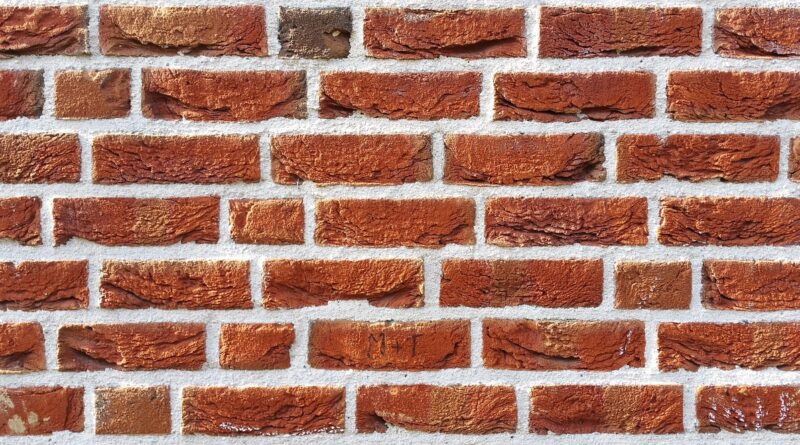
Is a Brick Facade Still the Best Choice for Modern Buildings?
Why Does a Brick Facade Still Feel Relevant?
A brick facade still works on many modern buildings because it gives the outside face weight, texture, and scale that flat panels do not always provide. If you are checking exterior options for a new project, start with the wider building facade plan, then see whether brick fits the building image, local climate, and budget. Brick is a known material, but that does not make it old-style by default. A clean running bond, a dark mortar joint, or a slim-format brick can still look current on the right project.
Material Character with Real Depth
Real brick has depth because each unit takes light a little differently. A west-facing wall at 4 p.m. may show small shadows along the mortar joints, while the same wall can look quiet on a cloudy morning.
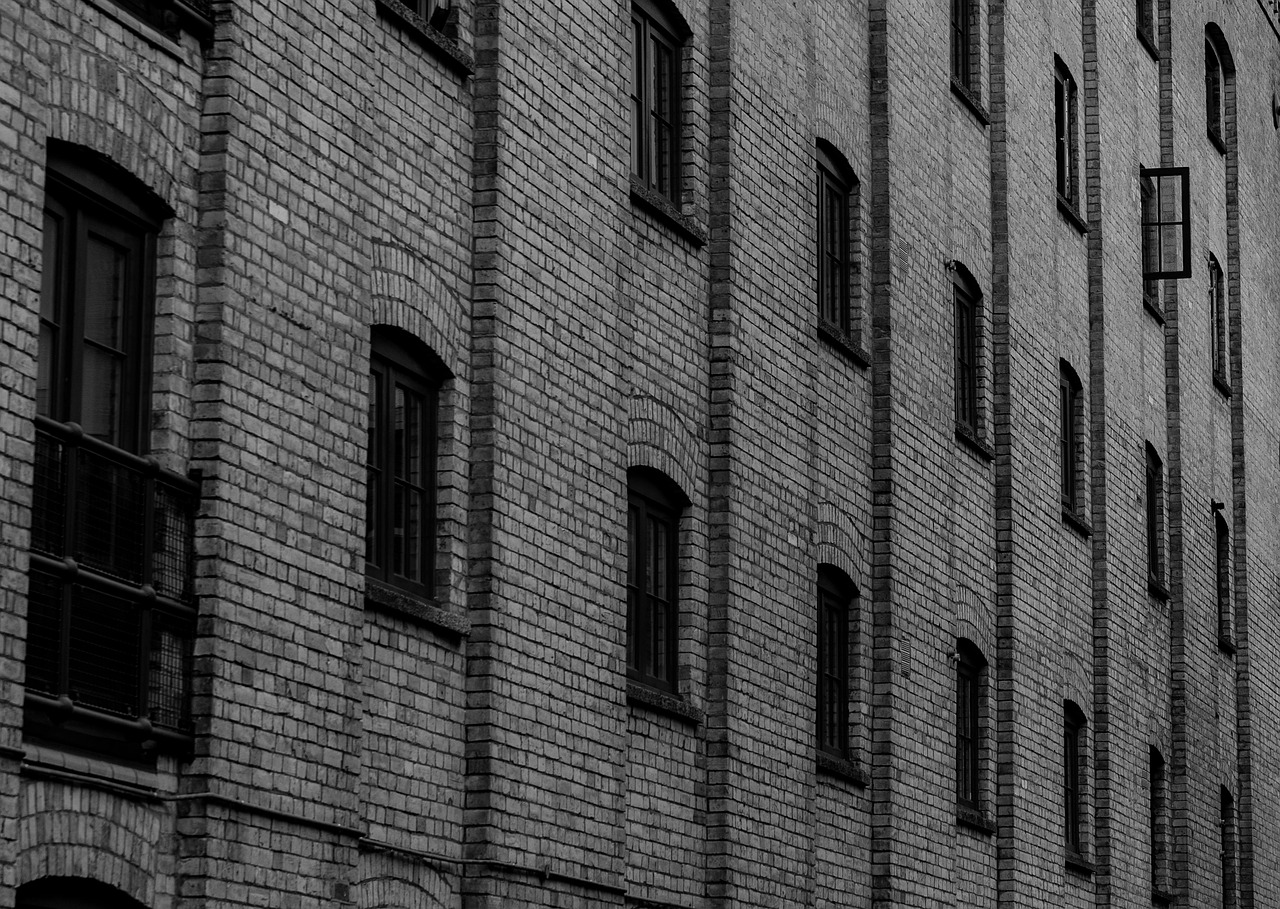
That effect is hard to match with printed skins or thin coatings. For offices, hotels, schools, and mixed-use buildings, this kind of variation helps a large wall avoid a flat box look.
Daily Wear without Fussy Care
Brick deals with normal street use well. Dust, small marks, and light impact are less noticeable on a textured masonry surface than on glossy sheet cladding.
It also holds color because the color is in the fired clay body or surface, not just in a paint film. Cleaning and joint checks are still needed, but the work is usually direct, which matters on busy urban projects.
Street Fit for New and Old Buildings
A brick facade can help a new building sit better on an older street without copying old work. Red brick may fit a warehouse area, while pale buff brick may suit a health clinic.
Deep brown or black brick can make a retail base look sharper. The main point is control: choose a brick that works with nearby materials, then use proportion, openings, and joint color so the building feels planned, not dressed up.
What Makes a Brick Facade Perform Well?
Good brickwork is not guesswork. The Brick Industry Association describes brick veneer walls as drainage-type wall systems and also notes that pressure equalization in brick veneer and cavity walls can help rain screen action limit rain infiltration. In plain terms, water can reach the outer wall, so the design needs a safe path for it to leave. (gobrick.com)
Drainage Cavity and Flashing
A brick veneer should not be designed as a fully sealed face. It needs an air space, flashing at key locations, and weeps so trapped moisture can drain out.
Pay close attention above windows, at shelf angles, near the wall base, and where roofs meet masonry. Many facade issues start at these small transitions, and brick often gets blamed when the real issue is a missing or blocked drainage path.
Ties, Lintels, and Backup Structure
Brick veneer is cladding, not the main frame. It depends on ties, anchors, lintels, and a backup wall to stay in place and take loads safely.
FEMA safe-room construction details show masonry veneer attached to supporting wall framing. That is a useful reminder in wind-prone areas: the veneer needs to be detailed with the structural system, not added late as a finish. (fema.gov)
Movement Joints and Mortar Quality
Brick walls move with temperature, moisture, building settlement, and frame deflection. Movement joints help control random cracking, and good mortar keeps the joints neat and weather-tight.
On site, rushed tooling can spoil a good brick selection. A concave joint usually sheds water better than a rough, shallow joint, so this small trade detail affects both performance and appearance.
Is a Brick Facade Better Than Other Cladding Materials?
No facade material is the right answer for every job. A brick facade is a strong choice when the owner wants long service life, texture, fire resistance from a noncombustible masonry outer layer, and a finish that does not depend on regular repainting. Other cladding systems can be lighter, quicker, or cheaper on some sites. The better question is not which material is best in general, but which one fits the wall assembly, construction schedule, and owner expectations.
Brick vs Stucco
Stucco can be a cost-friendly and clean option, mainly on simple building forms. It can also crack, stain, or need repainting earlier if detailing or maintenance is poor.
Brick often costs more at the start in many markets, but it gives a tougher face and a more layered look. If the building is close to sidewalks, parking areas, or schoolyards, that extra surface strength may justify the heavier wall and skilled labor.
Brick vs Metal Panels
Metal panels work well for sharp commercial buildings, long spans, and fast installation. They also give a smooth, industrial look, which may or may not fit the project.
Brick feels warmer and more permanent, but it needs better sequencing, masonry access, and support at openings. A common mixed approach is brick at pedestrian level with lighter panels above, because people see and touch the lower floors first.
Full Brick vs Thin Brick
Thin brick can be a good choice when the design needs a brick look with less wall thickness. The Brick Industry Association Technical Note 28C describes thin fired clay units as a way to combine the appearance of traditional brick masonry with economic benefits tied to thinner wall sections.
Still, thin brick is a system, not a shortcut. Substrate, adhesive, drainage, and movement detailing remain critical, so it should be specified with the same care as other facade systems. (brickit.com)
How Does a Brick Facade Affect Energy and Sustainability?
Facade choices matter because buildings use a large share of energy. The International Energy Agency reported in Energy Efficiency 2025 that buildings account for around 30% of global energy demand and have contributed about 20% of total demand growth since 2019. A brick facade by itself will not make a building efficient, but it can support a durable, well-insulated envelope when the wall is detailed correctly. (iea.org)
Thermal Mass Works with Insulation
Brick has thermal mass, so it can slow temperature changes at the outer wall. This helps most when it is used with proper insulation, air sealing, and solar control.
Do not expect brick mass to make up for a weak envelope. In hot climates, shading and ventilation may matter more, while in cold climates, continuous insulation behind the brick can reduce thermal bridging.
Long Service Life Cuts Replacement Waste
A facade that lasts a long time can reduce replacement work. This is where brick has a practical sustainability case, especially on buildings expected to stay in service for many years. See also: Building Styles.
If a wall remains useful for decades, the project avoids repeat tear-off, disposal, and new material deliveries. This does not remove the energy used to fire clay brick, so ask suppliers for environmental product declarations when available and compare full wall systems, not single materials alone.
Reuse and Waste Data Matter
Waste is not a small issue on construction projects. The U.S. EPA estimated 600.3 million tons of construction and demolition debris in 2018, including about 12.3 million tons of brick and clay tile.
That data supports a simple point: design for durability, repair, and possible salvage where the project allows it. Reclaimed brick can add character, but supply, testing, cleaning, and code acceptance should be checked early. (19january2021snapshot.epa.gov)
What Should You Check Before Specifying a Brick Facade?
Brick selection should be reviewed together with drawings, climate, budget, and site access. A small sample board in a showroom helps, but it is not enough. Look at the brick outside, in sun and shade, with the actual mortar color. If possible, build a mockup that includes a corner, a window head, and a base condition, because those three areas show more than a flat sample panel.
Local Climate and Exposure
Rain, freeze-thaw cycles, salt air, heat, and wind all affect the right brick facade detail. Coastal projects may need more focus on corrosion-resistant anchors.
Cold regions need careful moisture control because trapped water can freeze. Hot, sunny walls may lead you toward lighter colors, and the brick unit, mortar, cavity, flashing, and backup wall should match the climate rather than only the rendering.
Budget and Construction Access
Public cost data cannot give one reliable installed price for brick facade work. Labor rates, wall height, scaffolding, seismic requirements, brick size, and backup structure all change the number.
Get bids from local masonry contractors using the same drawings and specifications. Also check site access, because a tight urban lot with limited staging can slow masonry, while a clear site with good sequencing can make the work easier.
Maintenance Plan and Owner Expectations
A brick facade is low maintenance, not no maintenance. Owners should plan periodic checks for sealant joints, mortar cracks, clogged weeps, staining, and plant growth near the base.
Harsh cleaning can damage masonry, so cleaning methods need to suit the brick and mortar. A short maintenance note in the handover package can prevent poor choices later, such as pressure washing with too much force.
How Can You Specify a Brick Facade for a Clean Modern Look?
Modern brick design depends more on proportion than ornament. A plain wall can look strong if the openings are well placed, the mortar color is controlled, and the corners are clean. At the same time, brick has small natural differences, and that is part of why many designers choose it. Trying to make brick look perfectly flat and perfectly uniform can work against the material.
Color Blend and Bond Pattern
Choose the color blend at building scale, not only from a small sample. A dark brick that looks neat on a board may feel heavy across six stories.
A bright red brick may work on a retail corner but feel too strong on a long residential block. Running bond is safe and common, while stack bond looks sharper but may need extra attention to reinforcement and movement control depending on the wall system.
Mortar Joint Shape and Shade
Mortar can change the full facade. Matching mortar makes the wall read as one surface, while contrasting mortar highlights each unit and can make the wall look busier.
Joint shape also matters. Concave joints usually look clean and shed water well, while flush joints can look modern but require steady workmanship, so ask for a mockup before the final approval.
Details around Openings and Corners
Openings often decide whether a brick facade looks well built or not. Window heads, sills, jambs, and corners need clear rules before work starts.
You can use soldier courses, recessed panels, projected brick, or simple metal trims, but keep the language consistent. Too many special details make the wall busy, while one or two well-handled details repeated across the building usually works better.
FAQ
Q1: Is a Brick Facade Good for Commercial Buildings? A: Yes. It works well for offices, retail, schools, hotels, and mixed-use projects when the wall assembly is detailed for drainage, movement, structure, and local weather.
Q2: How Long Does a Brick Facade Last? A: A well-built brick facade can serve for many decades. Service life depends on brick quality, mortar, flashing, structural support, exposure, and regular inspection.
Q3: Does a Brick Facade Need an Air Cavity? A: Most brick veneer systems need a cavity or drainage space behind the outer wythe so water can drain and the wall can dry. Exact requirements should follow local code and project specifications.
Q4: Is Thin Brick the Same as Full Brick? A: No. Thin brick gives a brick face with less thickness, but it depends on its backing system, bonding method, drainage design, and movement detailing.
Q5: What Is the Biggest Mistake in Brick Facade Design? A: The biggest mistake is treating brick as only a finish. A good brick facade needs coordinated structure, moisture control, joints, openings, and maintenance planning.