
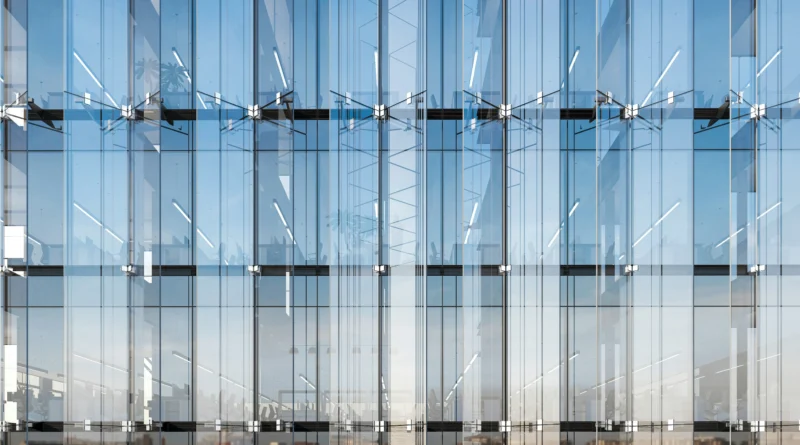
What Is Curtain Wall Facade And How Does It Work
Curtain wall facades shape modern buildings with their clean, shiny look. They also handle key jobs for structure and surroundings. For builders and designers, this system goes beyond looks. It mixes materials, needs for how it works, and basic ideas. These things decide how a building deals with weather and light outside.
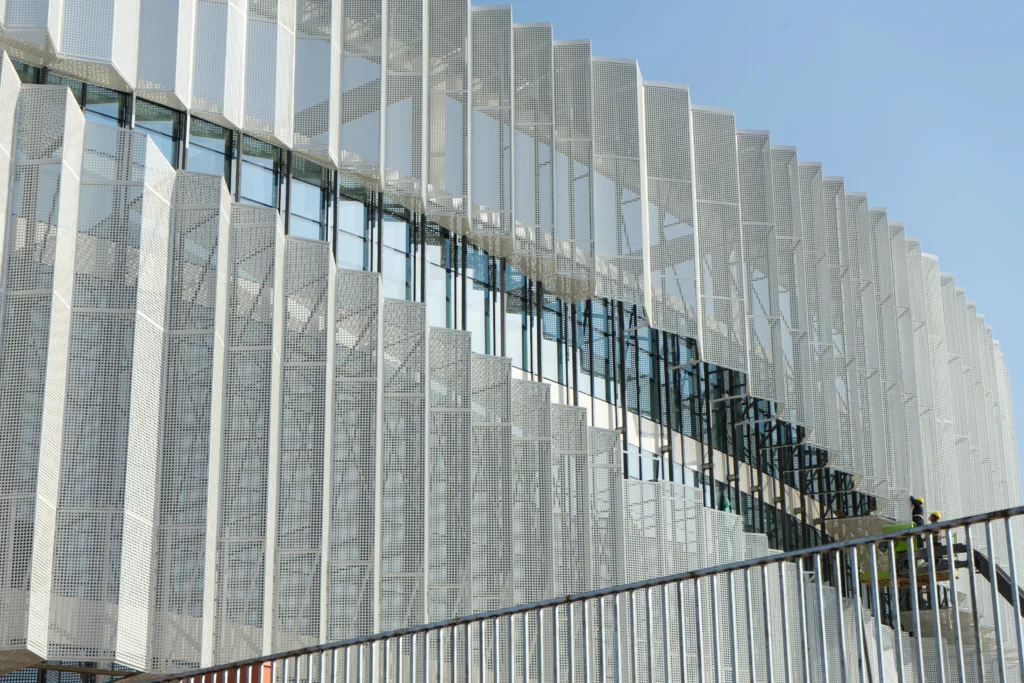
What Is a Curtain Wall Facade?
A curtain wall facade covers the outside of a building without holding up the main weight. It blocks rain and wind. At the same time, it lets sunlight reach far inside. This differs from walls that support floors or roofs. Curtain walls pass wind and pull-down forces to the main frame. Most often, they use aluminum frames with glass, metal sheets, or thin stone covers.
Definition and Structural Role
The name “curtain” fits because it hangs like a light cloth on the building’s skeleton. It is not part of the core strength. The outside layer stops bad weather. It also links the inside world to the outside view. In tall buildings, this setup lets rooms inside change easily. The outer walls do not carry heavy loads, so floors can shift without worry.
Common Materials Used
Builders pick aluminum for frames a lot. It is strong yet light, and it fights rust well. Glass fills most spots for clear sight and bright days inside. Sometimes, they add mixed panels or stone for different styles or better heat control. Workers add seals, rubber strips, and heat-stop parts. These keep air out and save energy.
Historical Development
Curtain walls grew big in the 1950s. New ways to shape aluminum and make flat glass helped. Think of the Lever House in New York from 1952. It showed how glass sides could show a company’s style. Plus, it worked well in daily use. Back then, folks saw these walls as fresh and bold, changing city skylines forever.
How Does a Curtain Wall Facade Work?
A curtain wall facade makes a shield around the building. It fights wind push, air sneaking in, and water getting through. It holds its own weight too. Then, it sends those forces to the main bones of the structure.
Load Transfer Mechanism
Each piece or upright bar sends wind push to hooks on floor levels or posts. The tall bars take down-pull from side bars and sheets above. Good hook plans make sure shakes from wind or heat changes do not break links. In real jobs, like a windy city tower, this keeps everything steady. Engineers test these paths often to spot weak spots early.
Weatherproofing System
To keep inside cozy, curtain walls use layers to stop water. They have spots where pressure evens out, paths for water to flow away, and glue lines that seal tight. The rainscreen idea lets air move behind the outer skin. So, if water slips in, it can dry up or run out safe. This setup works great in rainy places, cutting down leaks over years.
Thermal and Acoustic Performance
New facades add double glass with special coatings that hold heat back. These cut energy use. Breaks in the aluminum stop cold or hot from jumping sides. Layered glass quiets street noise too. This matters in busy city spots near roads full of cars. One study showed these walls drop noise by up to 40 decibels in high spots.
What Are the Main Types of Curtain Wall Systems?
Curtain wall setups differ by how they go together—built from sticks on site or in big ready pieces. They also split into pressure-equalized or simple drain-and-air types.
Stick-Built System
Stick-built means workers put up bars and cross pieces one by one right there. It fits odd shapes well. But it needs careful work. Weather can mess with glue drying or straight lines. In a project I recall from a sloped site, rain delayed things twice, but the end result held up fine after tweaks.
Unitized System
Unitized uses big panels made in shops ahead of time. They come to the job all set. This cuts work high up and keeps quality even. It suits tall builds with same parts over and over. Speed saves money, especially when deadlines press hard.
Structural Glazing System
Structural glazing hides the frames outside. It sticks glass straight to rubber joins that hold strong. This gives smooth, clear looks. Offices and art spots love it. But it needs exact plans. Different moves between parts can cause cracks if not watched. Teams often add extra tests here for safety.
Why Is Curtain Wall Facade Important in Modern Architecture?
Curtain walls do more than look nice. They help hit green goals and keep people comfy in new builds. In fact, without them, many tall offices would feel dark and stuffy.
Daylighting and Visual Transparency
Lots of glass brings in day light deep inside. This cuts electric lights in day hours. Shades block harsh sun but keep views out. Studies say this boosts work focus. Workers feel better with nature close, even from a desk.
Energy Efficiency Contribution
Pair them with double layers or sun-power glass. Then, they save power big time. Auto shades in gaps control heat from sun. They use data from building controls to adjust. In hot spots like Dubai towers, this drops cooling bills by 25 percent, based on real installs.
Architectural Expression
Designers treat these walls like art boards. They change sizes, add patterns or colors on glass. This makes buildings stand out. Think corporate high-rises or public halls. They keep tech strong while looking unique. Sometimes, a fun pattern ties to the city’s history, adding that local touch.
What Are the Common Challenges in Curtain Wall Design?
Curtain walls bring good points, but design needs focus. Over time, small slips can lead to big problems. It’s like any build—plan ahead or pay later.
Air Leakage and Water Infiltration Risks
Bad seals at joins cause most outside fails. Check rubber and glue often. Sun light speeds up wear. Set up checks every few years. In coastal areas, salt air makes this worse, so extra coats help.
Thermal Bridging Concerns
Metal parts let heat flow easy. No good breaks mean water drops inside when cold. This hurts paint or grows mold. Fix it early in plans. One old building fixed this and saved on heat costs right away.
Maintenance Complexity
Reach high panels for wash or swap needs special gear. Like hanging scaffolds or built-in paths. Think of this from the start. In a 30-story job, poor access doubled repair time once.
How Are Innovations Shaping Future Curtain Wall Facades?
New tech changes how these walls stand and handle weather. It’s exciting—things like smart bits make buildings alive almost.
Smart Glass Technologies
Smart glass shifts color with power or touch. It darkens in bright sun or by choice. This keeps folks comfy and cuts cool needs. In offices, users pick shades via apps. It saves energy without blinds everywhere.
Integrated Photovoltaics
Solar cells go right into glass layers. They turn sun to power without changing looks. This fits zero-energy homes growing fast. In Europe, new rules push this for all big builds by 2030.
Advanced Materials Research
Tiny coatings make surfaces push dirt away with water hate. They clean themselves in rain. Light mixes swap heavy metals. Less weight means less strain on frames. Labs test these now, and early uses show 20 percent less upkeep.
How Should You Approach Specification and Installation?
Right specs mean long life. Sharp install turns plans to real wins. Skip steps, and issues pile up quick.
Performance Criteria Definition
Set rules before bids. Like heat loss limits, noise block scores, bend rules under wind per ASTM E330. Match to local weather. For cold spots, aim for U-values under 1.5. This guides choices clear.
Coordination Between Trades
Wall work meets steel frames, air systems, fire blocks. Hold talks to avoid bumps. These stop breaks in warm layers or water paths. In team huddles, spot overlaps early. One missed link flooded a floor once—lesson learned.
Quality Assurance Testing
On-site sprays like ASTM E1105 check seals before finish. Watch builds for off lines. Fix small when easy and cheap. This catches 80 percent of problems before they grow, per trade reports.
FAQ
Q1: What distinguishes a curtain wall from a window wall?
A: A curtain wall spans multiple floors attached outside slabs; window walls fit between slabs per floor level with independent drainage systems.
Q2: Can curtain walls be used in low-rise buildings?
A: Yes, though cost-effectiveness decreases compared to high-rises where modular repetition offsets fabrication expenses. In small shops, they add modern flair without big costs if planned right.
Q3: How long does a typical curtain wall last?
A: With proper maintenance—including sealant replacement every 15–20 years—a well-designed system may last 40–50 years before major refurbishment is required (source: Building Envelope Council reports 2021). Real cases in mild climates stretch to 60 years with care.
Q4: Are all-glass facades sustainable?
A: Not inherently; sustainability depends on glazing type (low-E coatings), shading strategy, and integration with HVAC controls rather than transparency alone. Poor picks lead to high bills, but smart ones shine.
Q5: What testing standards apply internationally?
A: Common standards include ASTM E283 for air leakage resistance, ASTM E331 for water penetration resistance, EN 13830 for European compliance marking CE certification requirements. These keep quality worldwide, from US to Asia.