
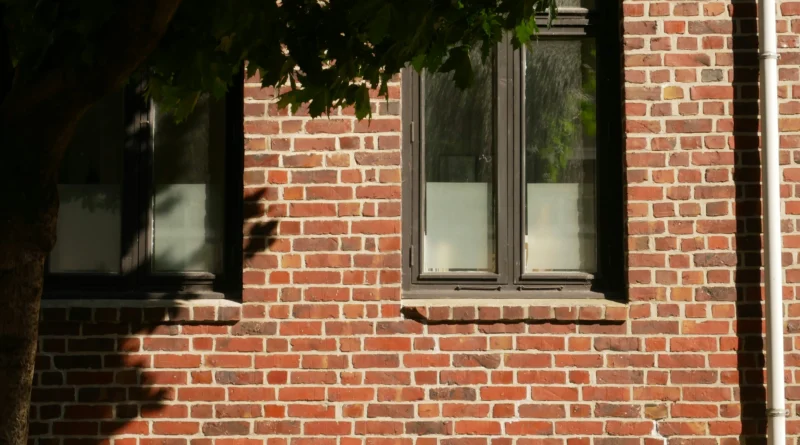
Why Is Brick Facade Still Popular Today
Brick facade has shaped buildings for hundreds of years. It combines toughness, good looks, and flexibility. These traits keep it useful in today’s designs. You spot it on old city homes and shiny new offices alike. This piece looks at why builders and designers still pick brick facade. They like how it works well and looks nice, especially in pro settings.
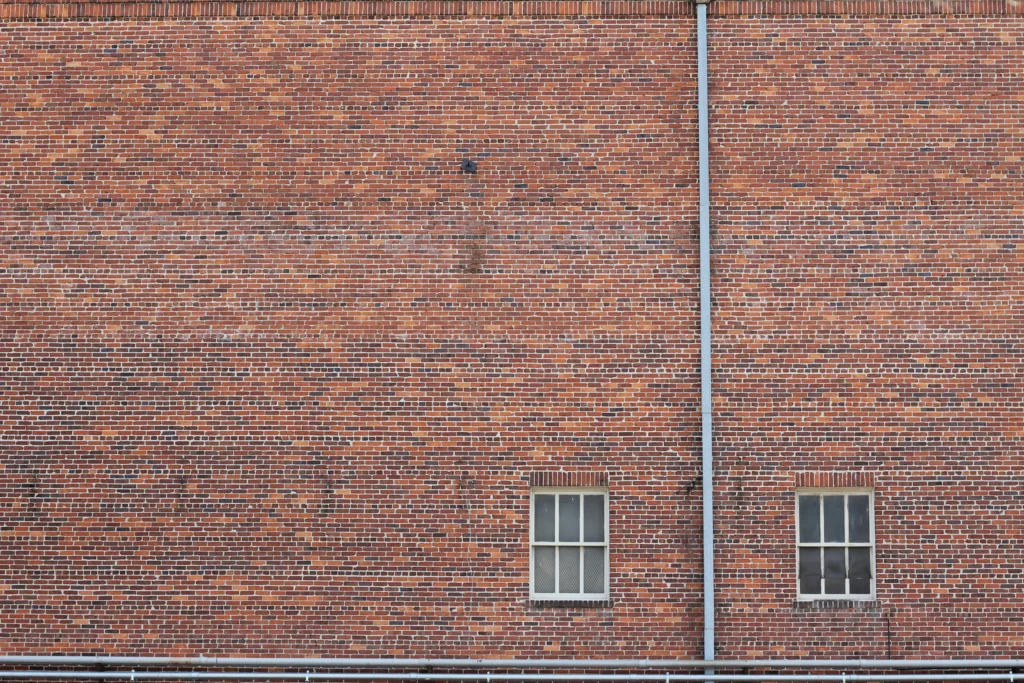
What Makes Brick Facade a Timeless Architectural Choice?
Brick facade stays in fashion year after year. Its charm comes from mixing old ways with fresh ideas. Builders like how it pairs up with other stuff like glass, steel, or wood. Yet it holds its own style. The rough feel and earthy colors of brick give a solid, lasting vibe that not many things can copy. I remember walking past a old factory turned into lofts; the bricks there just felt right, like they belonged forever.
Durability and Longevity
Brick lasts a really long time. If you care for it right, a brick facade can go over 100 years with few fixes. It stands up to fire, water, and wild weather better than lots of other choices. That’s one reason those tough old factories from the 1900s still look sturdy after all that time outside. In places like Chicago, you see buildings from the early 20th century holding strong, thanks to their brick walls.
Aesthetic Versatility
A brick facade gives you tons of ways to play with looks. Pick classic red clay bricks for a cozy, old-time feel. Or go for smooth, dark bricks in new builds. The different layouts, like running bond, Flemish bond, or herringbone, bring interest and flow to the outside. For example, in a neighborhood redesign, switching to a herringbone pattern can make a plain wall pop without much extra work.
Low Maintenance Requirements
Brick facades don’t need much care, unlike walls you have to paint over and over. You just clean them now and then and fix the joints if needed. That keeps them looking good and solid. So even if putting them up costs more at first, they save money down the road. Think about a home from the 1950s; its brick front still shines with just basic upkeep.
How Does Brick Facade Contribute to Energy Efficiency?
Saving energy matters a lot in building now. It’s not just a nice extra; it’s a must. Brick facades help out big time. They work like natural shields to keep heat in check. They soak up warmth in the daytime and let it out slowly when it’s cooler at night.
Thermal Mass Performance
The heavy nature of brick helps control inside temps. It cuts down on how much you need to heat or cool the place. In spots with big day-night changes, like desert towns, this keeps rooms comfy without running the air unit non-stop. I’ve heard from builders in Texas how their brick homes stay cooler in summer, saving on bills by up to 20 percent.
Acoustic Insulation Benefits
Brick’s thickness blocks sound well. In busy city spots full of car horns or machine noise, these walls quiet things down inside. It’s a real plus for apartments near highways. One study from a city planning group showed brick buildings cut outside racket by half compared to thinner walls.
Compatibility with Modern Insulation Systems
These days, pros pair old-school brick with new fluffy layers inside the wall space. This mix boosts how well it saves energy. And you still get that familiar outside view people like. It’s like giving the building a cozy jacket without changing its face.
Why Do Architects Still Prefer Brick Facade Over Other Materials?
New stuff like fiber cement panels or metal covers pop up all the time. But architects stick with brick facades for key reasons. They value realness, care for the planet, and room to get creative. Sometimes, though, I wonder if folks overlook how brick just feels more alive than those flat panels.
Authenticity and Character
Brick has a hands-on touch that fake boards can’t match. Every brick shows small differences in shade and feel. That adds a unique spark to the building. In fix-up jobs or adding to city blocks, this real quality lets new parts fit right in with the old ones. Picture a street in Boston where a fresh brick addition matches the 1800s houses next door seamlessly.
Sustainability Factors
Bricks come from plenty of natural stuff like clay and shale. Lots of makers now add recycled bits or use kilns that waste less energy. If you take down a building the right way, you can reuse those old bricks or grind them up for fresh projects. It’s a cycle that cuts down on trash, and in green building awards, brick often scores high for that.
Design Flexibility
New ways to make bricks let them come thinner for easy-use spots like hanging walls or inside rooms. Pros can shape tricky designs with ready-made brick sheets. They hold up strong too. This opens doors for wild ideas that were tough before, like curved facades on a museum I saw in Europe.
What Are the Economic Advantages of Choosing Brick Facade?
When you think about money, brick facades give back over the years. They cut down on fix-up costs and make the place worth more when you sell.
Long-Term Cost Efficiency
Setting up brick might run higher than cheap siding or plaster at the start. But since it lasts so long, you spend less overall. Owners get fewer surprise bills and even lower insurance rates because it doesn’t burn easy. In a 50-year look at costs, one report pegged brick at 30 percent cheaper in the end than vinyl options that fade fast.
Increased Property Value
Houses or buildings with brick outsides sell for more cash. Buyers see them as top-notch and always in style. Stats from real estate folks show these spots move quicker too. For instance, in suburban markets, brick homes fetch about 10 percent higher prices, based on recent sales data.
Reduced Lifecycle Costs
Add up the energy cuts, long life, and easy care. The full cost of a brick facade stacks up well against other covers that need swaps or fresh paint often. It’s like investing in a sturdy tool that doesn’t break soon.
How Does Brick Facade Enhance Urban Aesthetics?
Around the globe, cities lean on brick for their look. From London’s row houses to New York’s stone fronts, it fits right in. The bumpy surface warms up stark city views full of glass and metal. Not every street needs it, but where it shows, it ties things together nicely.
Harmonizing Historic and Modern Architecture
Brick lets creators link past styles with today’s wants smoothly. In updates, they keep the first bricks and add new ones that match in color or setup. It’s a quiet tip of the hat to history in a fresh setup. Take a renovated warehouse district; the old bricks mix with new glass windows without clashing.
Creating Visual Rhythm
Bricks line up in blocks that make a steady beat on the wall. The lines between them throw shadows that shift with the sun. This adds layers that smooth walls miss. On a sunny afternoon, you can see how those shadows dance, making the building feel alive.
Contribution to Place Identity
In some areas, nearby dirt makes bricks take on special colors. Yellow ones in Amsterdam or rich red in Boston mark the spot. Keeping these sights helps link old and new city growth. It’s part of what makes a town feel like home, passed down through time.
What Challenges Come With Using Brick Facade Today?
Every material has downsides. Brick is no exception. Experts have to plan around them from the get-go. Sometimes these issues surprise new builders who think it’s all easy.
Structural Weight Considerations
Old-style brick walls weigh a ton next to light modern setups. Teams need to build stronger bases or beef up old frames for the extra load. In a retrofit job, this might mean digging deeper footings, which adds time and cash.
Labor-Intensive Installation
You need skilled bricklayers for top work. But in some places, good ones are tough to find these days. Shortages can drag out builds or jack up prices if you hunt for pros. I’ve seen projects delay by weeks just waiting for the right crew.
Moisture Management Issues
Bricks hold off water pretty well on their own. But if the edges or seals aren’t done right, dampness can sneak in behind. Good water flow plans are key for staying dry long-term. One common fix is adding proper metal flashes to keep rain out.
How Is Technology Transforming Modern Brick Facade Design?
Tech changes have stretched what you can do with this old stuff. From computer plans to quick-setup tools, it speeds things up while keeping the handmade touch. It’s exciting how gadgets make ancient bricks feel cutting-edge.
Prefabricated Brick Panels
Makers build full sheets off-site now. Bricks stick to light bases there. This cuts down work at the job site and keeps lines straight over big areas. For a high-rise, these panels went up in days instead of weeks, saving labor headaches.
3D Modeling and BIM Integration
Designers use computer programs like BIM to test how sun hits various brick setups before starting. This careful planning cuts waste in cutting and buying. It’s like previewing the whole wall on screen, spotting issues early.
Smart Masonry Systems
Some test projects tuck tiny sensors into brick walls. They track heat shifts or wall moves over years. This could change how we check big builds for upkeep. Imagine getting alerts on your phone if a wall starts to settle—pretty handy for owners.
FAQ
Q1: What Is the Average Lifespan of a Brick Facade?
A: A well-maintained brick facade typically lasts over 100 years due to its resistance against weathering and fire damage.
Q2: Can Brick Facades Be Installed on Existing Buildings?
A: Yes, thin brick veneers allow retrofitting on existing structures without excessive structural reinforcement requirements.
Q3: Are Brick Facades Environmentally Friendly?
A: Bricks are made from natural materials like clay; modern production methods increasingly focus on reducing carbon emissions through efficient kilns and recycling waste heat (source: U.S. Environmental Protection Agency).
Q4: How Often Should You Clean a Brick Facade?
A: Light cleaning every few years using mild detergent is sufficient; avoid high-pressure washing which may erode mortar joints according to industry best practices (source: Brick Industry Association).
Q5: What Are Current Trends in Contemporary Brick Design?
A: Designers experiment with mixed textures, variable joint depths, and contrasting mortar colors to create dynamic façades while maintaining traditional craftsmanship aesthetics seen in leading architectural publications (source: Architectural Review 2023).